The through-line
A life of witness, responsibility, and promise.
For David, faith is not a retreat from difficulty. It is the way he looks beyond an obstacle, tests truth against a witness, and keeps a promise after the cost becomes real.
“I have always had faith in a bigger picture.”
David J. DeJonge
In this conversation, David traces how faith has shaped his response to hardship, his pursuit of truth, his portraiture, his enterprise, and his responsibility to people whose stories might otherwise be overlooked.
Formation
Learning to see beyond the obstacle.
- What did faith mean in childhood?
- My childhood was challenging. ADHD was poorly understood, dyslexia made reading difficult—and still does—and I often had to fend for myself. Those struggles contributed to my low GPA, but they also forced me to dig deeply into faith as both a spiritual belief and a way of living.
- What did those struggles teach you?
- I learned to look beyond what conventional thinking says cannot be done. Faith does not erase the obstacle; it lets me see beyond it and recognize a larger possibility.
Journey to Orthodoxy
Get to the witness. Get to the facts.
- What first made you question what you had been taught about Church history?
- While learning the Heidelberg Catechism, I asked what the Church had been like before Calvin and Luther. I was told there had been no organized Church, that the Dark Ages were dark for a reason, and that Catholicism explained the need for the Reformation. The question never left me.
- How did Frank Buckles sharpen your pursuit of truth?
- Photojournalism gave me a rule: “Get to the witness. Get to the facts.” Frank was the last living American veteran of the First World War—a firsthand witness to an era almost gone. Knowing him changed how I judge a primary source and whom I trust to tell history.
- Where did Orthodoxy become real to you?
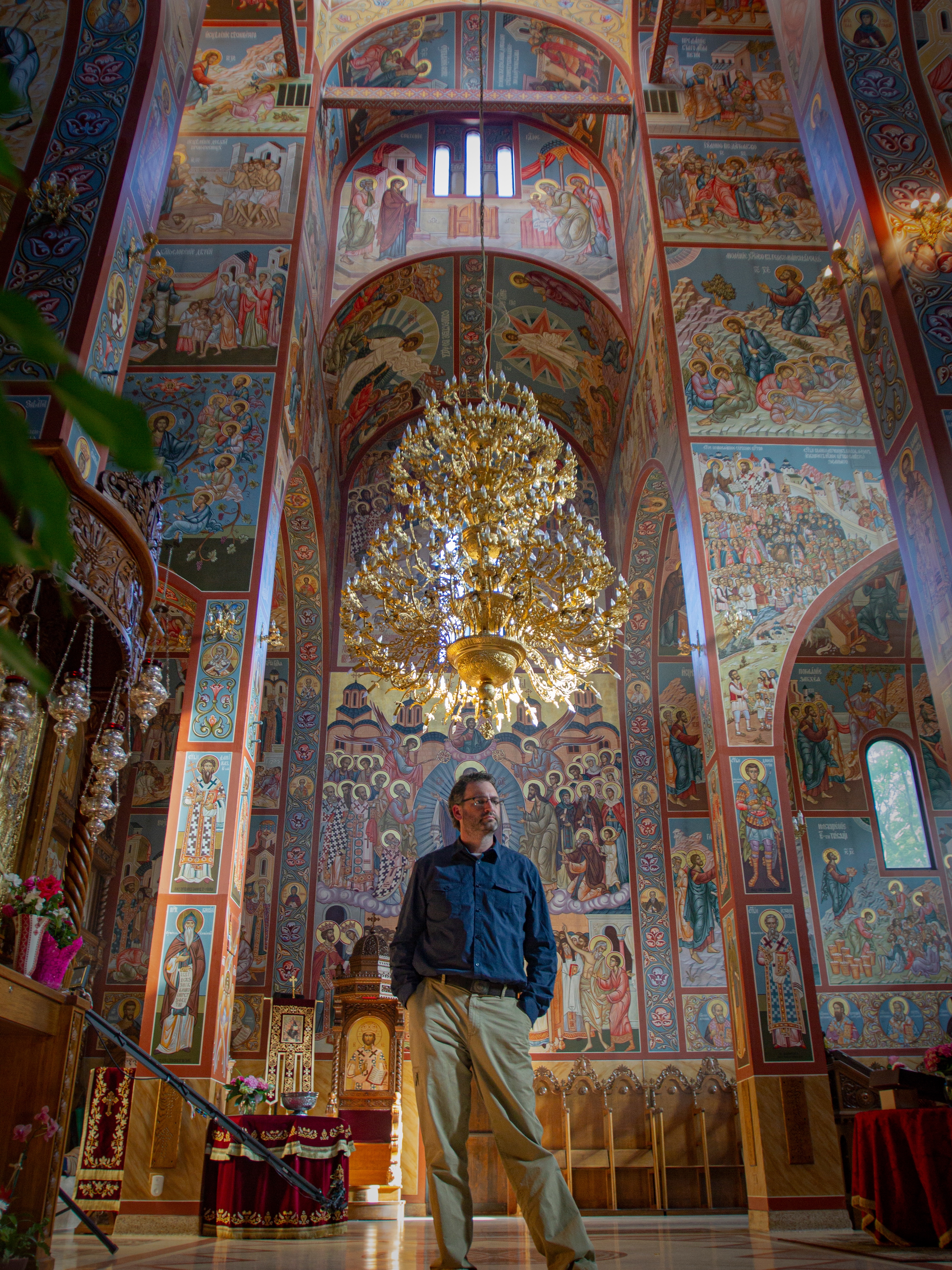
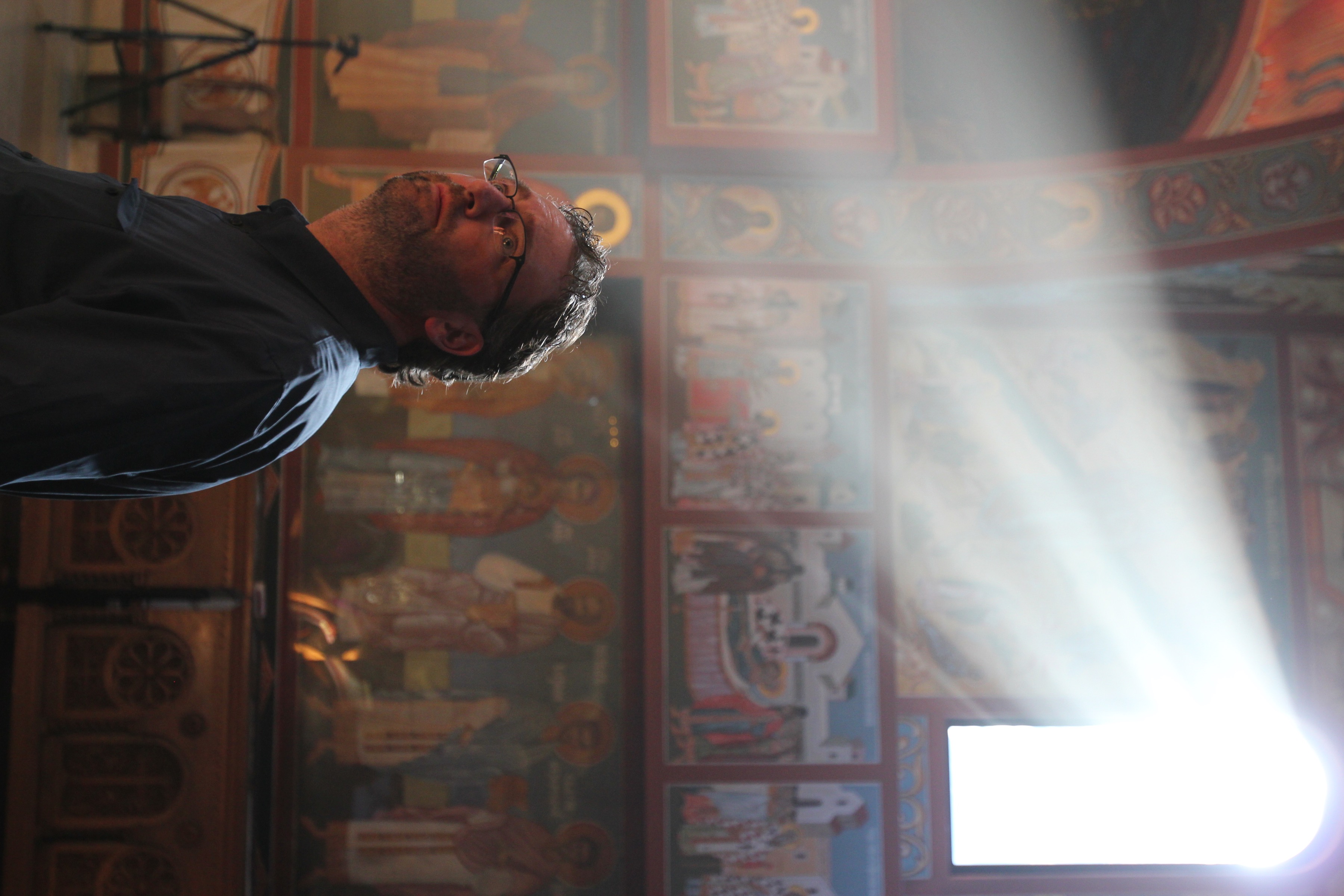
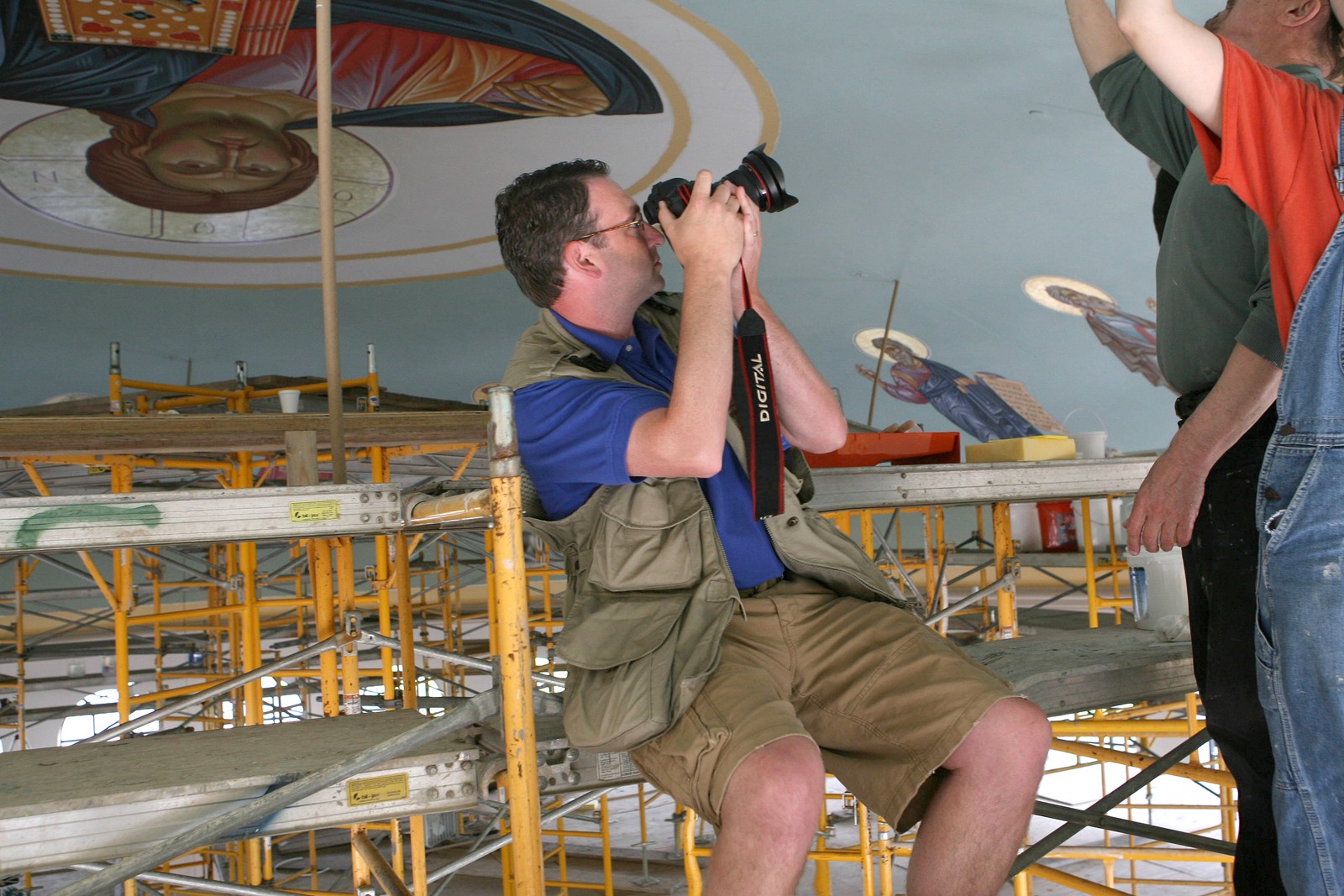
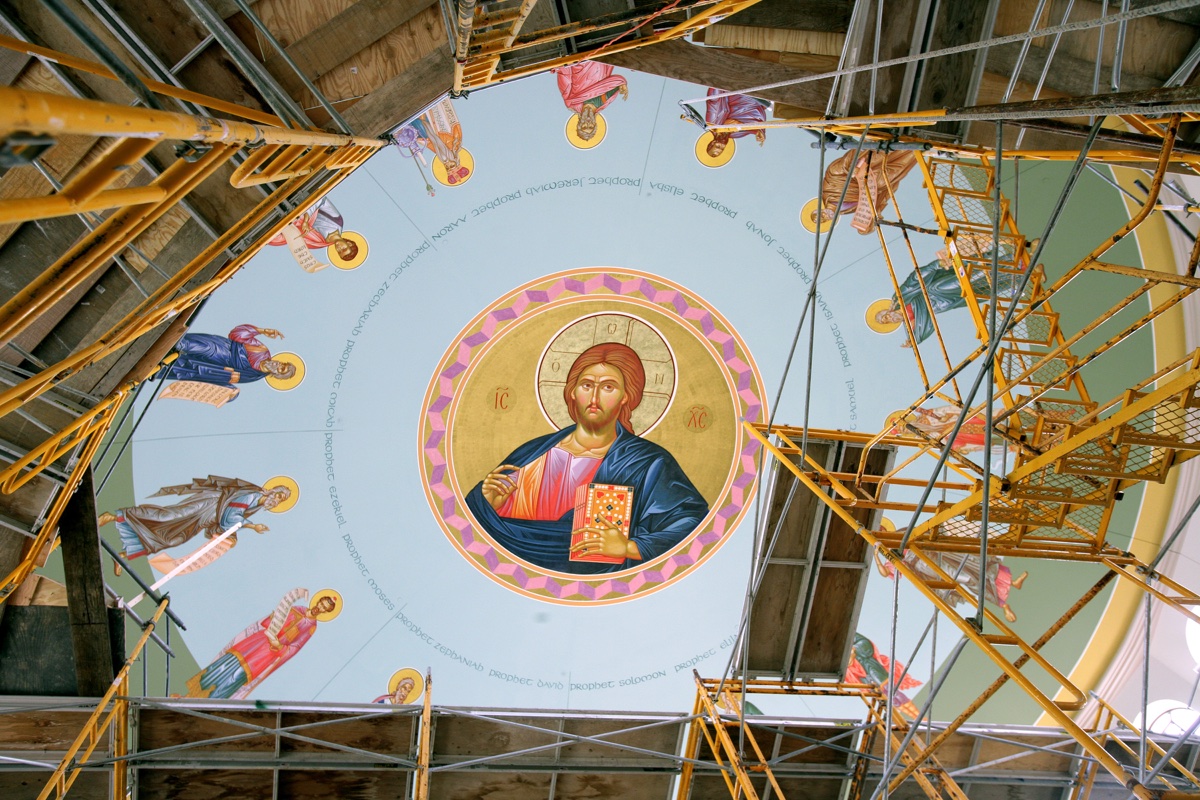
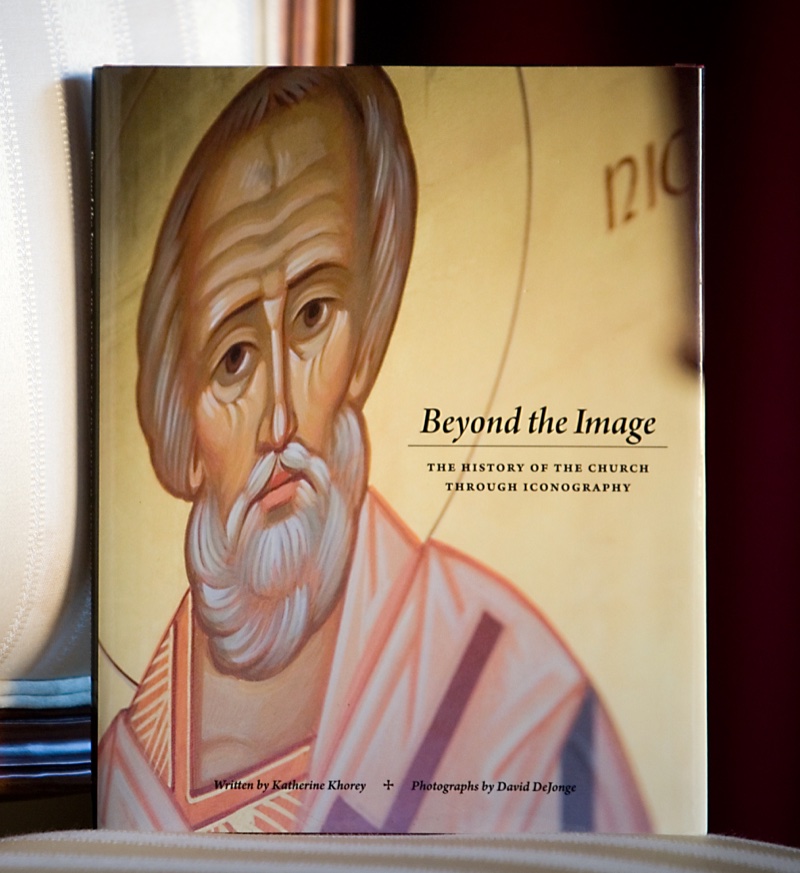
- I spent about two years photographing the installation of icons at St. Nicholas Antiochian Orthodox Church in Grand Rapids. I climbed swaying scaffolding toward the dome, where priests and iconographers spoke about the Church before Calvin. I discovered an active historical Church I had never been taught about. That began my journey toward Orthodoxy. I later created Beyond the Image: The History of the Church Through Iconography, pairing my photographs with Katherine Khorey’s text to tell Church history through the icons of St. Nicholas.
- What felt freeing about Orthodoxy?
- I had understood that God preplanned everything, including terrible events, and specially chose certain people. Orthodoxy showed me that God welcomes everyone and that suffering is not always His plan or a punishment for sinful choices. That allowed me a purer drink from the river of faith.
The 2008 crisis
Faith could not be lost.
- What happened when the financial crisis reached your family?
- Our lender called the business loan despite perfect credit and no late payments. Payments jumped from $500 a month to several thousand immediately, while portrait income arrived through large, infrequent sales. We nearly sold our home and went on Medicaid. It was a formula for destruction.
- Why didn’t you step away from the memorial effort?
- I had given Frank Buckles my word. The effort had momentum, legislation, and an international following. I could not abandon the promise because our circumstances had become painful. Knowing that God remained active and that prayer could be heard kept an extraordinarily dark period from becoming darker.
Legacy Icons
With the bullhorn comes responsibility.
- What is Legacy Icons ultimately for?
- Beyond providing stability for our family, business, and employees, commercial success is not what matters most to me. Legacy Icons is a vehicle for sharing the faith. Millions visit the site each year, and I see that reach as a profound responsibility.
- What does the bullhorn require?
- Every touchpoint should teach something about Christian history in a nonconfrontational way, regardless of a person’s spiritual or nonspiritual beliefs. The mission includes telling the truth and caring responsibly for the staff and customers entrusted to us.
- Where do you draw the line?
- Faith is sensitive and easily exploited. Christian retail has too often pursued the bigger sale—even putting Scripture on welcome mats. Think about asking someone to wipe dirty feet on holy words. Legacy Icons may have larger years, but growth is a byproduct, not the ultimate goal. Responsible growth requires growth in faith.
The vulnerable
Look behind the mask.
- Why are you drawn toward vulnerable people and neglected causes?
- People’s lives are far more complicated than the surface reveals. I can make quick assessments too—hopefully less and less—but the real story is behind the mask. Vulnerable people often carry an authenticity and strength of character that is difficult to comprehend.
- What do their stories do to you?
- If someone has faith in a foxhole, in hospice, or at school, that story is worth sharing. An interview brings me into another life and expands my own character. I pray that I use those encounters to become a more loving person.
Amish faith connection
A friendship beyond the image.
- What makes your friendship with the Amish community so unusual?
- Some of our closest friends belong to the Amish community in Indiana. They resist photography, icons, and much of modern society—things central to my own work—yet they have embraced my wife and me. We frequently stay in their home, and it has become one of the places where we retreat. Their hospitality demonstrates an uncommon love that looks beyond difference.
- How has that Amish friendship changed the way you photograph another person?
- That friendship has taught me to look more deeply and to be more caring about taking an image. In a portrait, I now try to seek the soul even more than I once did. It is profound that friends who resist images have taught me so much about human dignity.