
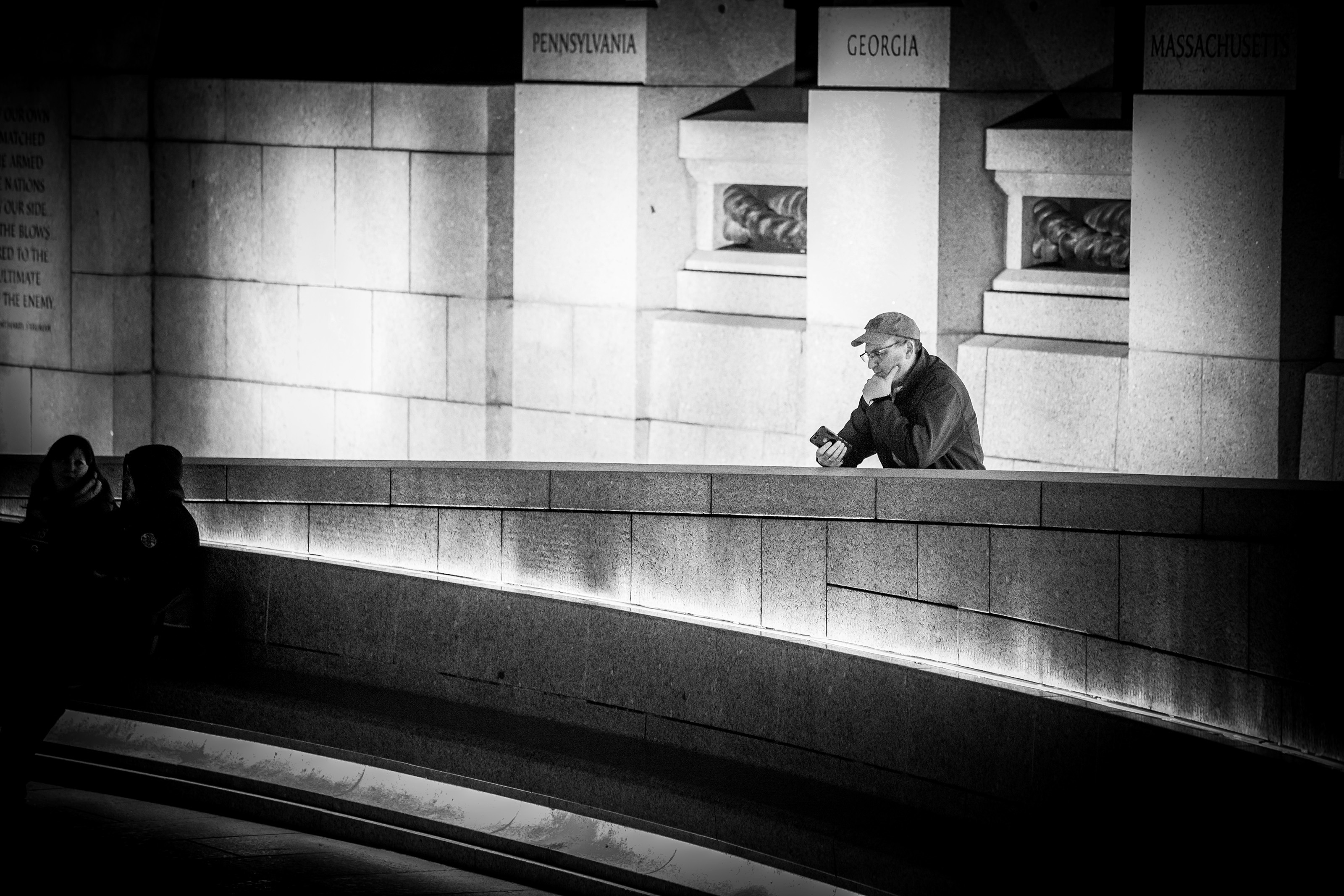
Origins
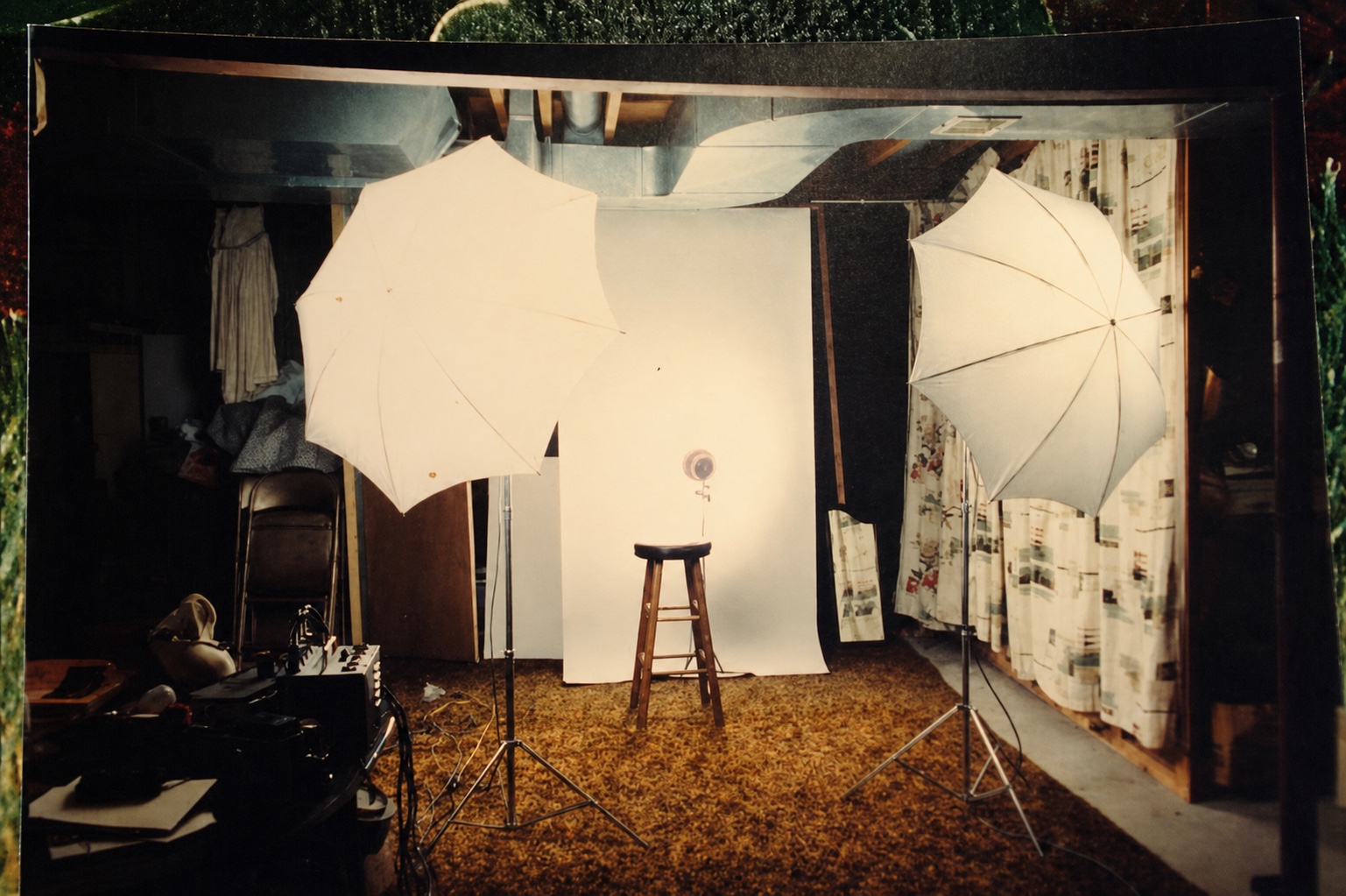
A basement studio—and an insistence on making the work real.
David J. DeJonge was raised on twenty acres in Hudsonville, Michigan, surrounded by cornfields and a conservative Dutch Reformed community.
He began his first portrait studio in his parents’ basement, orange shag carpet and all. College did not supply the route he wanted, so he built one: photojournalism and assignments connected with the Grand Rapids Press by day, portrait work by night, and the discipline of learning through every frame. What began there became DeJonge Studio—his first enterprise.
The contrast mattered. News photography placed him near fatal accidents, house fires, public conflict, and moments that could not be restaged. Portraiture demanded privacy, technical control, and a precise understanding of how a person wished to enter the historical record. Together, the two practices shaped his eye and his resolve.
DeJonge Studio was established in 1988.
First public-history project · 1996–1999
Michigan Veterans of Five Wars
David and Grand Rapids Press columnist Karin Orr began the project in 1996, interviewing and photographing nearly thirty Michigan combat veterans whose service reached from World War I through Desert Storm.
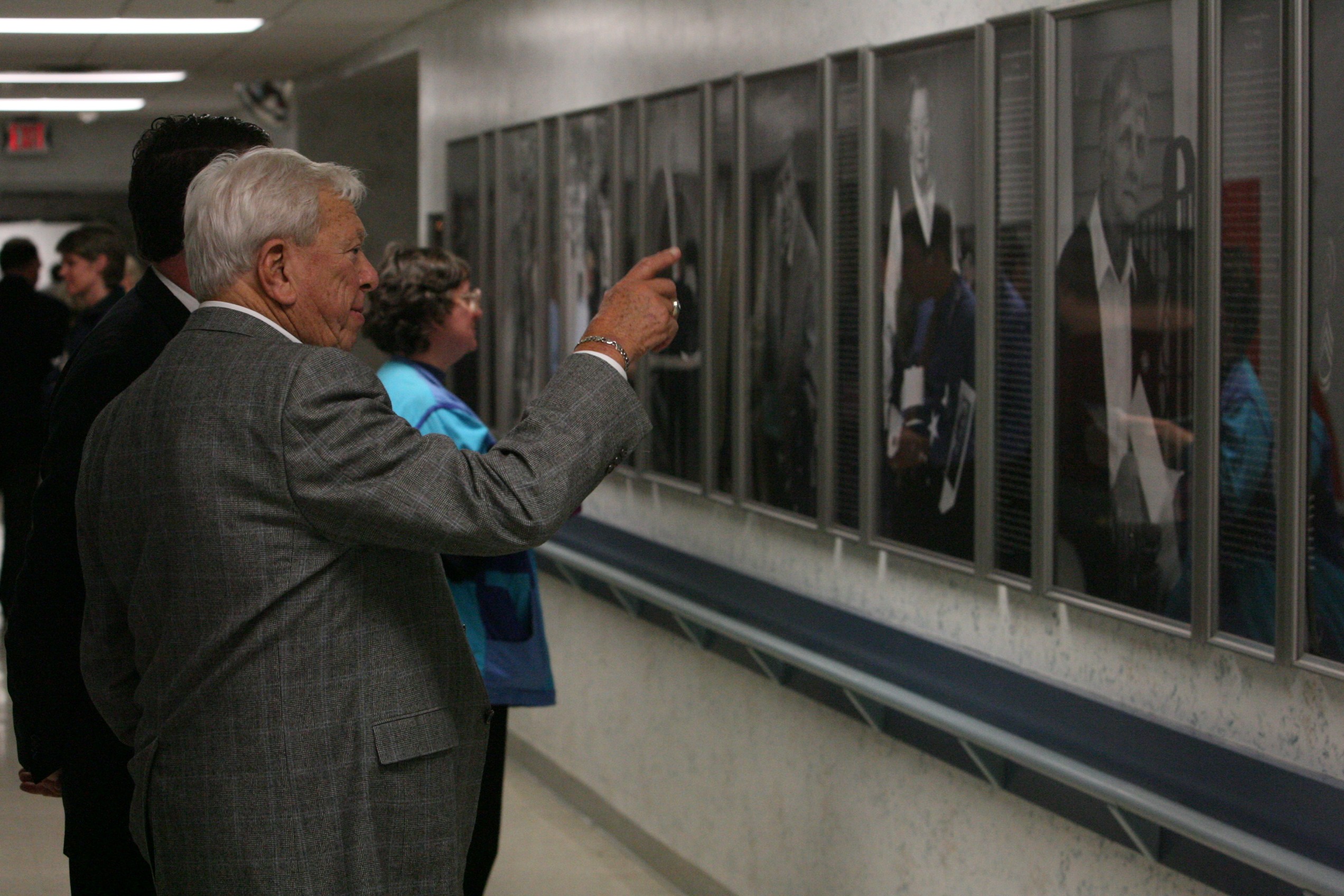
The exhibition debuted at the Van Andel Museum Center in 1998, was presented in the Michigan State Capitol Rotunda in 1999, and later became a permanent twenty-four-image installation at the Grand Rapids Home for Veterans. It established a pattern David would return to: portraiture joined to oral history, public exhibition, and institutional memory.
- The project beginsPortraits and first-hand testimony from Michigan veterans.
- Van Andel Museum CenterThe exhibition enters a major public museum setting.
- State Capitol RotundaThe work is presented beneath Michigan’s Capitol dome.
- Grand Rapids Home for VeteransTwenty-four images remain as an institutional installation.
Portraiture
Leaders, families, and the responsibility of a lasting image.
David established DeJonge Studio in 1988 and grew the basement operation into a portrait enterprise at the Amway Grand Plaza Hotel. He built the practice, relationships, and production standards that made consequential commissions possible. His work includes political, civic, business, and philanthropic leaders as well as private families.
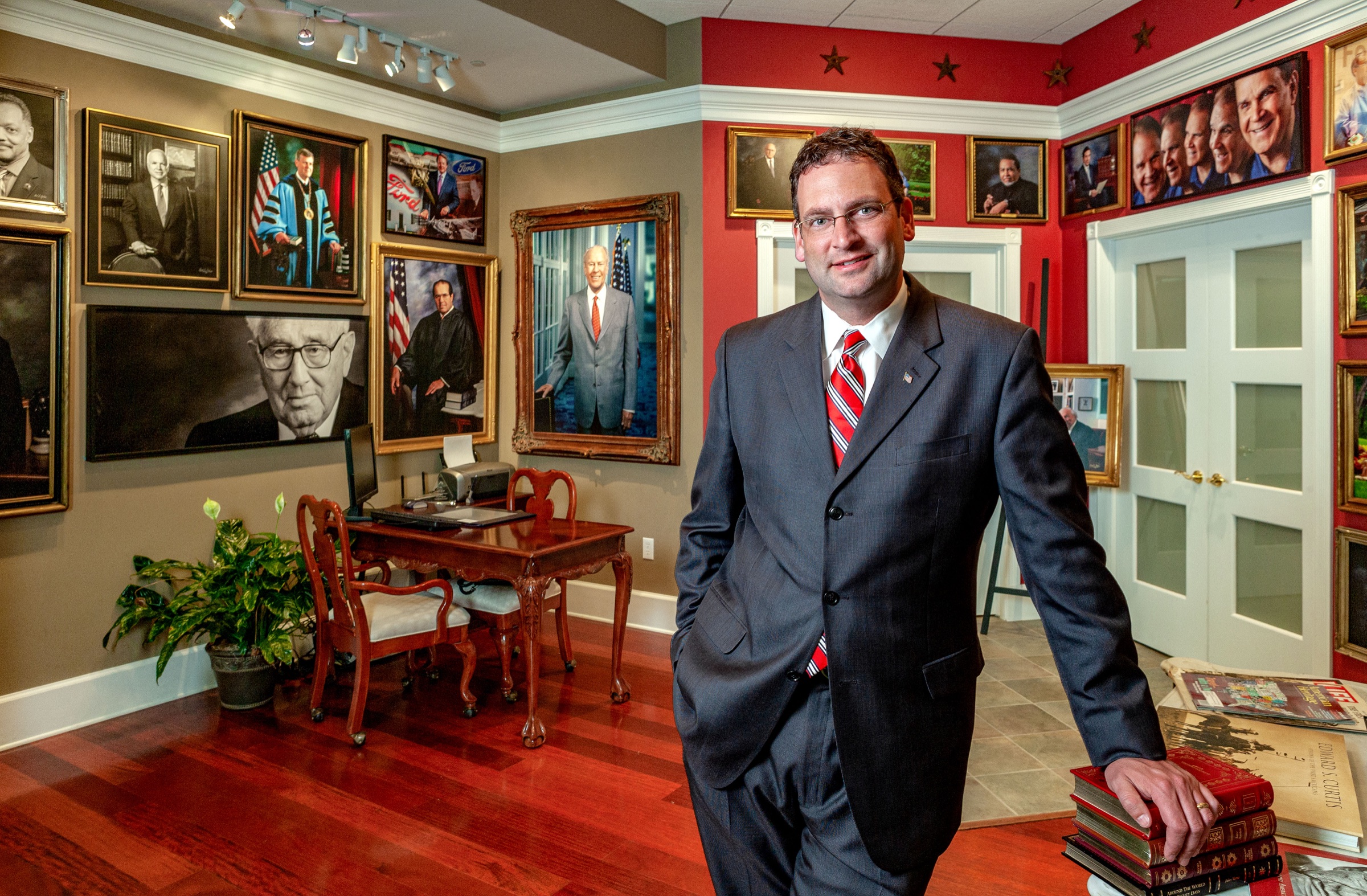
Portraits visible in the studio
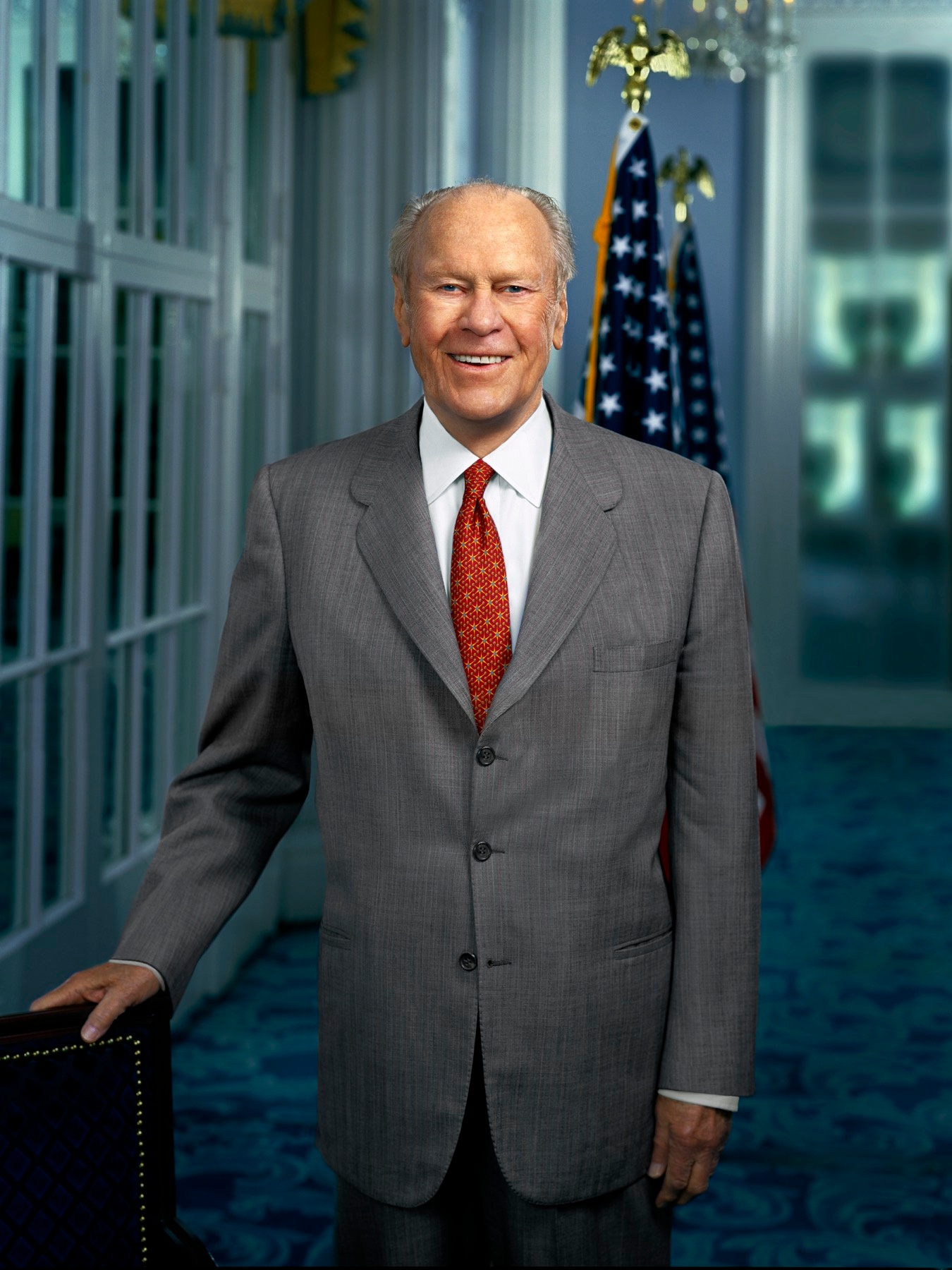
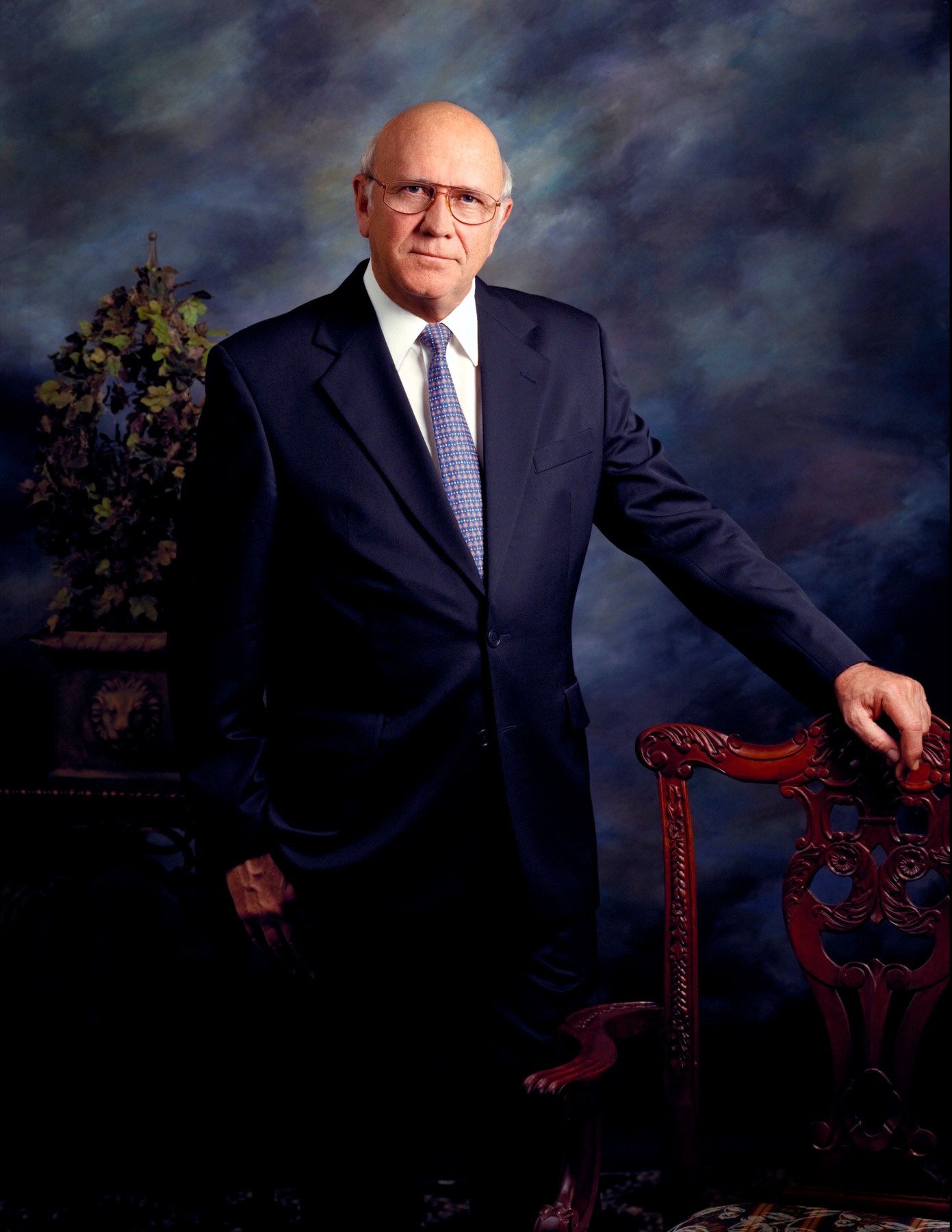
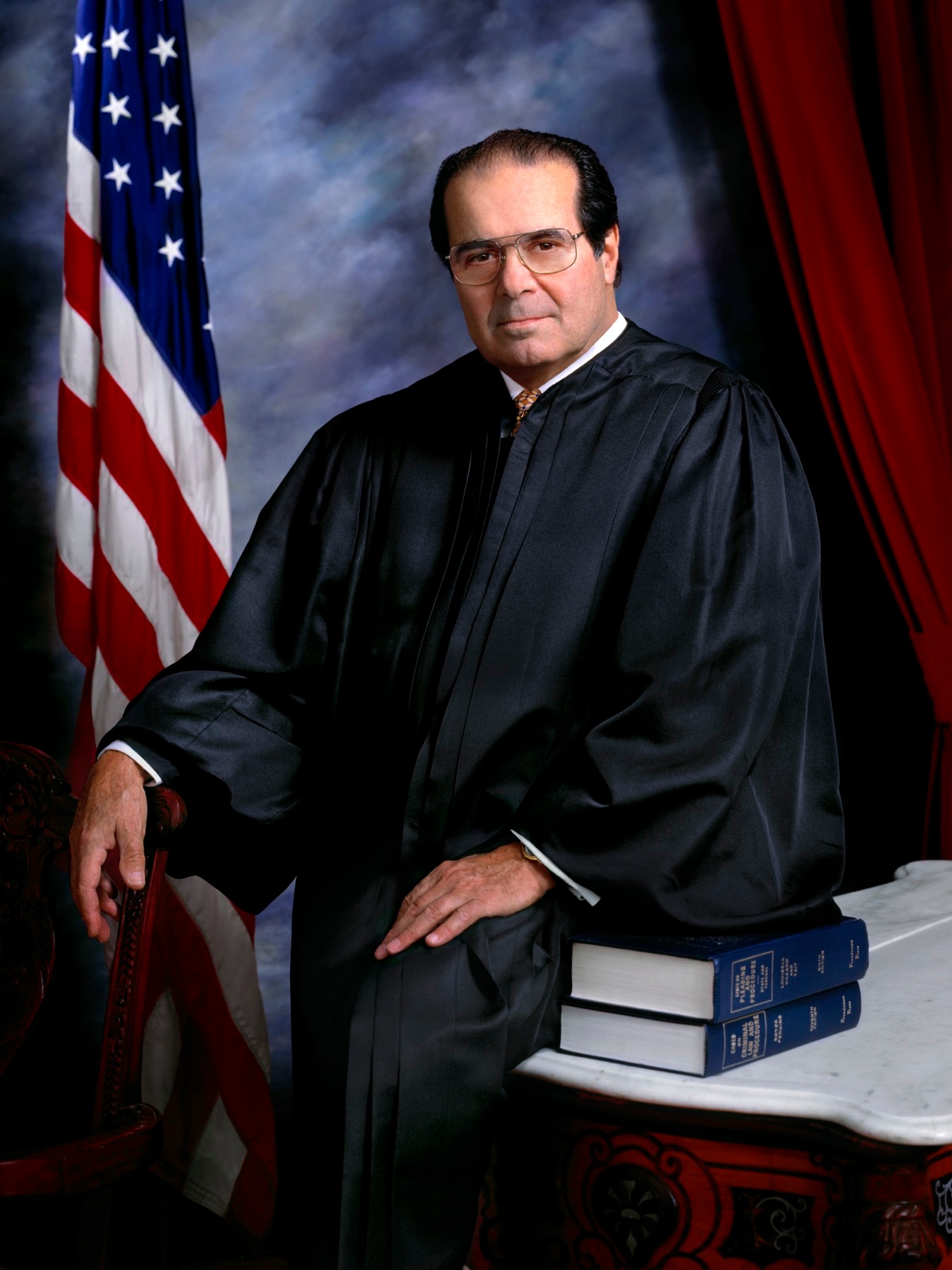
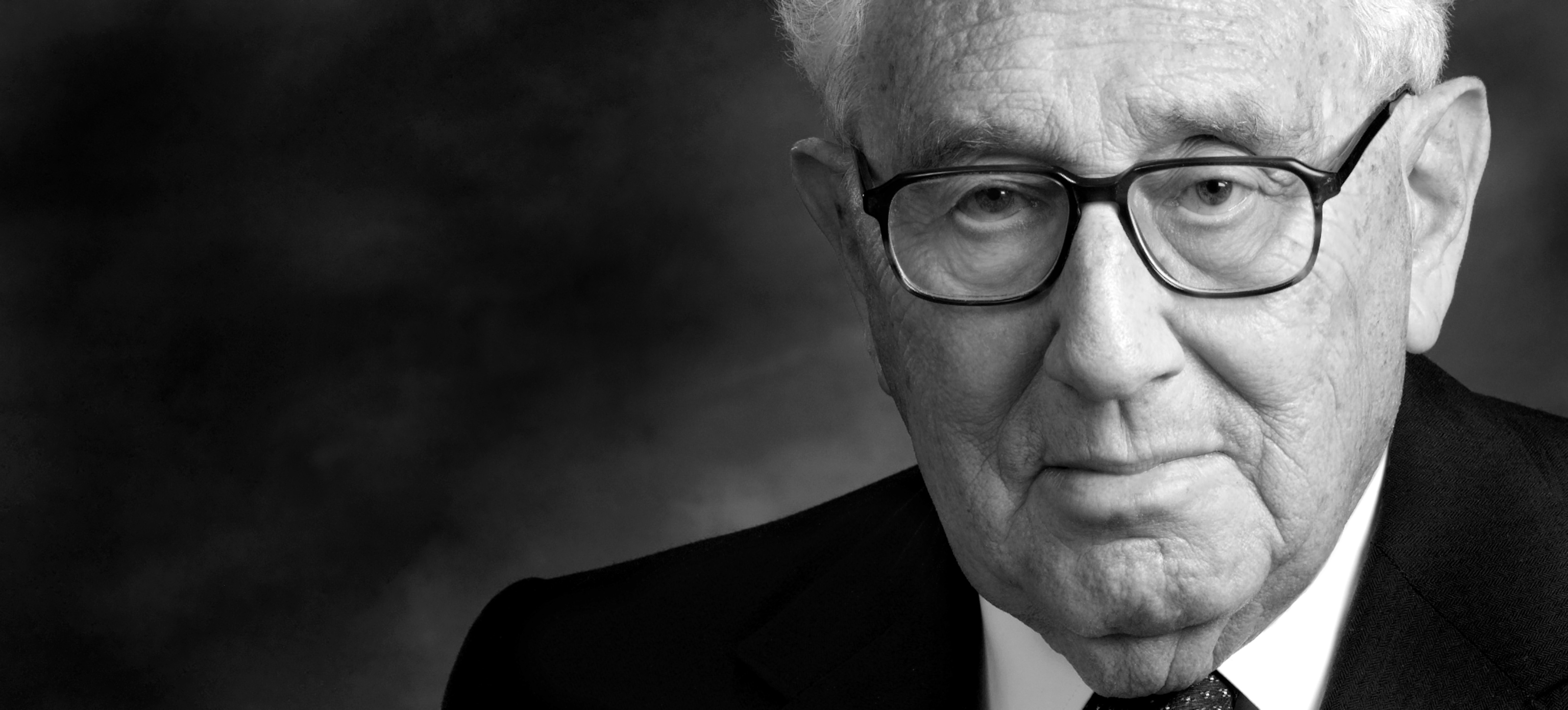
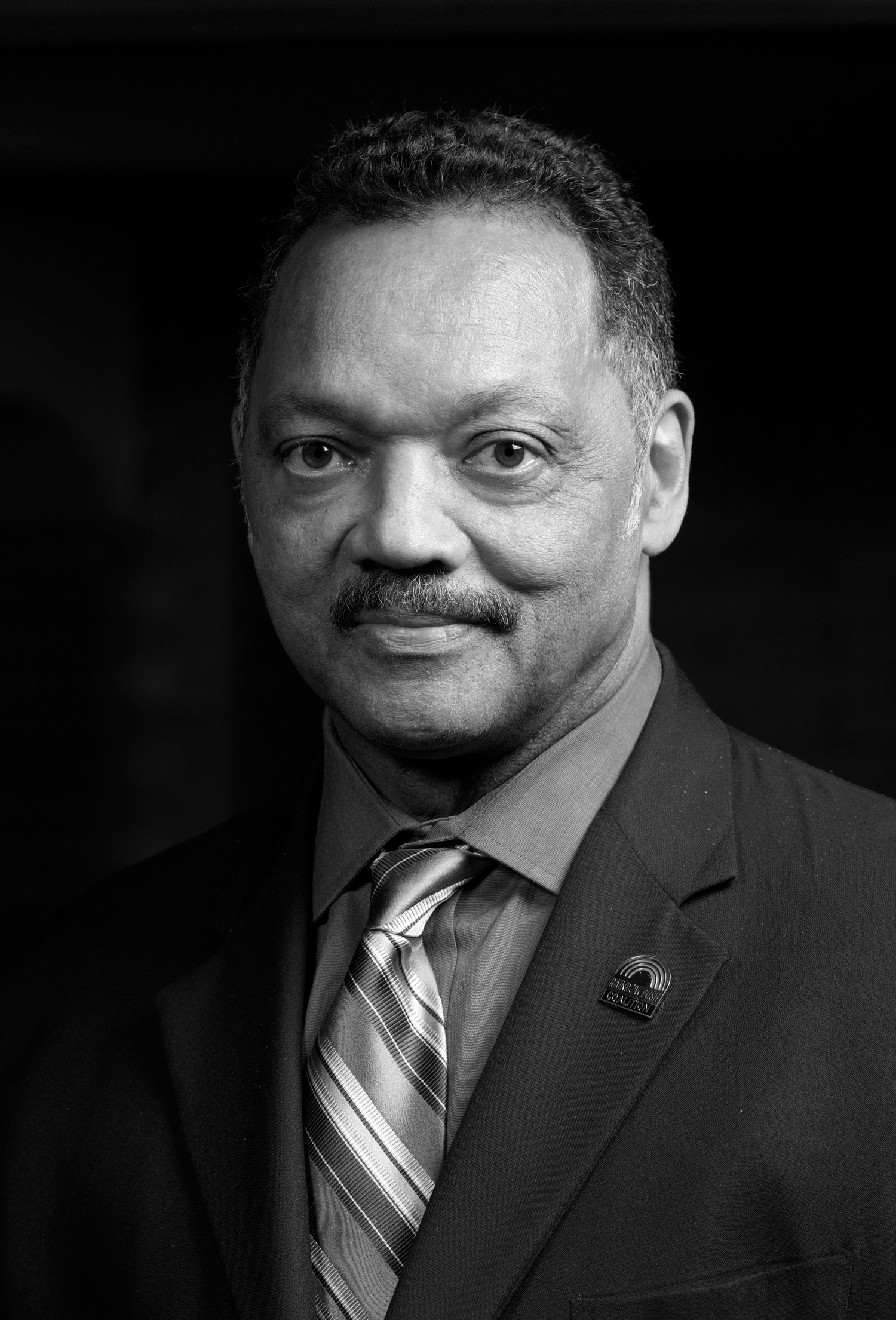
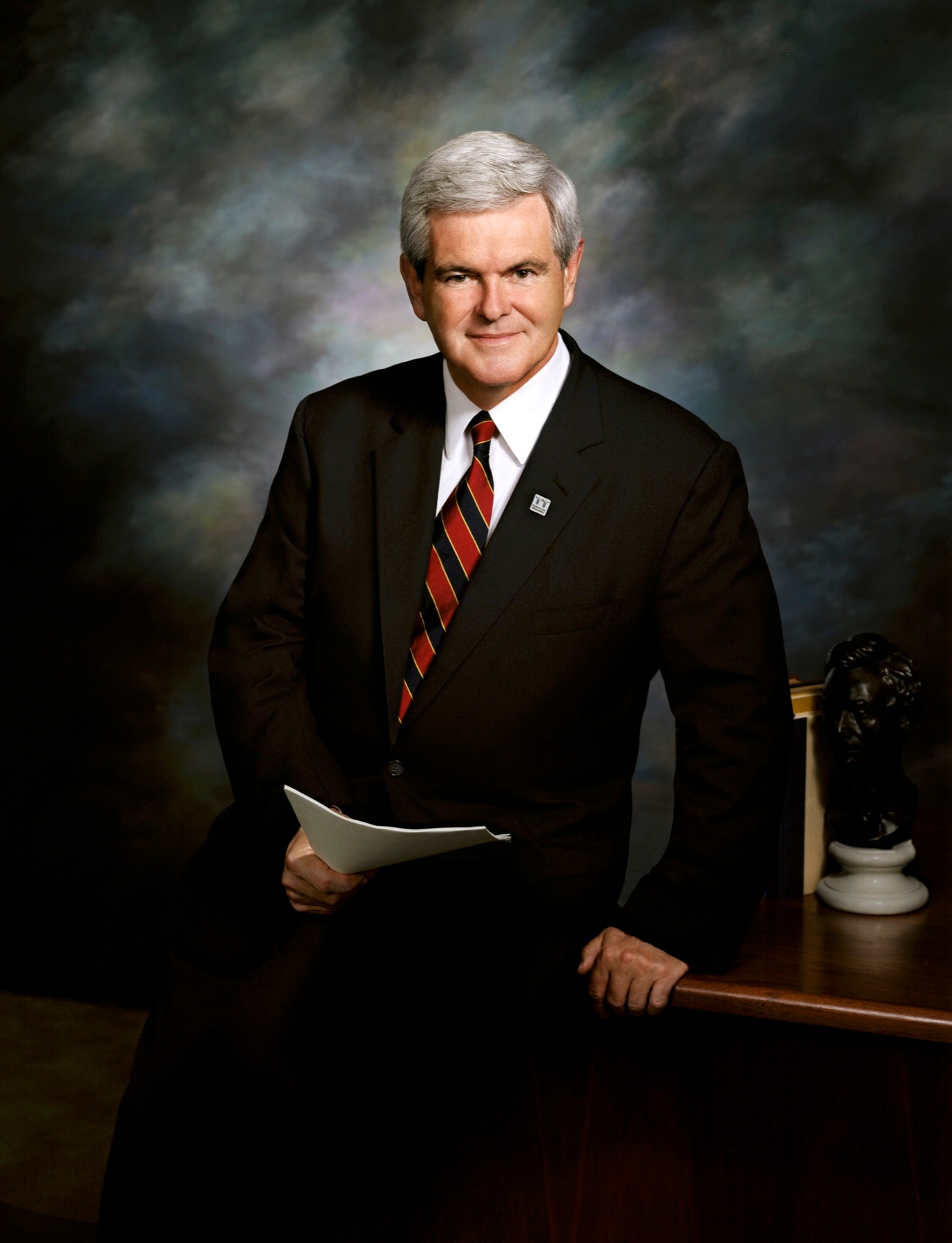
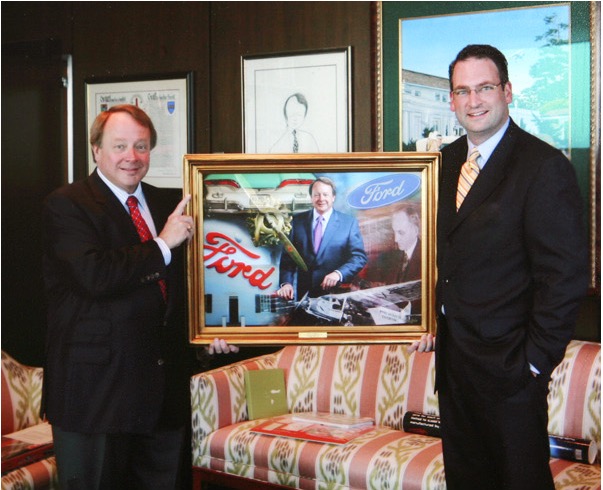
Portraits visible or partially visible include Jesse Jackson; John McCain; Thomas J. Haas, former president of Grand Valley State University; Edsel Ford II; F. W. de Klerk; composer Adolphus Hailstork; journalist Chris Wallace; comedian Rich Little; Newt Gingrich; Henry Kissinger; Justice Antonin Scalia; and President Gerald R. Ford.
Color · Materials · Longevity
The portrait did not end at the shutter.
DeJonge came to regard the finished print—not only the exposure—as part of the commission. As portraits began entering homes and institutions, he grew dissatisfied with the fading he had observed in earlier color processes and developed a studio-controlled workflow for the physical object.
Color fidelity
Skin tone, fabric, painted surfaces, and subtle shadow were treated as information to preserve from capture through the final print—not as color to exaggerate for immediate effect.
Material discipline
Period studio materials described the DeJonge Finish, museum-quality paper, archival mounting, and a confidential in-house lab. David recalls incorporating pigment-based inks and a protective coating.
Observed longevity
David reports that early examples in his possession remain visually stable decades later under their particular display and storage conditions.
For portraits intended to hang in historic places, longevity became part of the commission.
David J. DeJonge’s studio standardThis account describes David’s studio practice and long-term observation; it does not assign a laboratory-rated lifespan. The goal was practical: preserve color, tone, and surface so the finished portrait could be lived with for generations.
In 2006, CNN displayed David’s 2003 portrait of President Gerald R. Ford and described it as Ford’s last formal portrait around his ninetieth birthday.
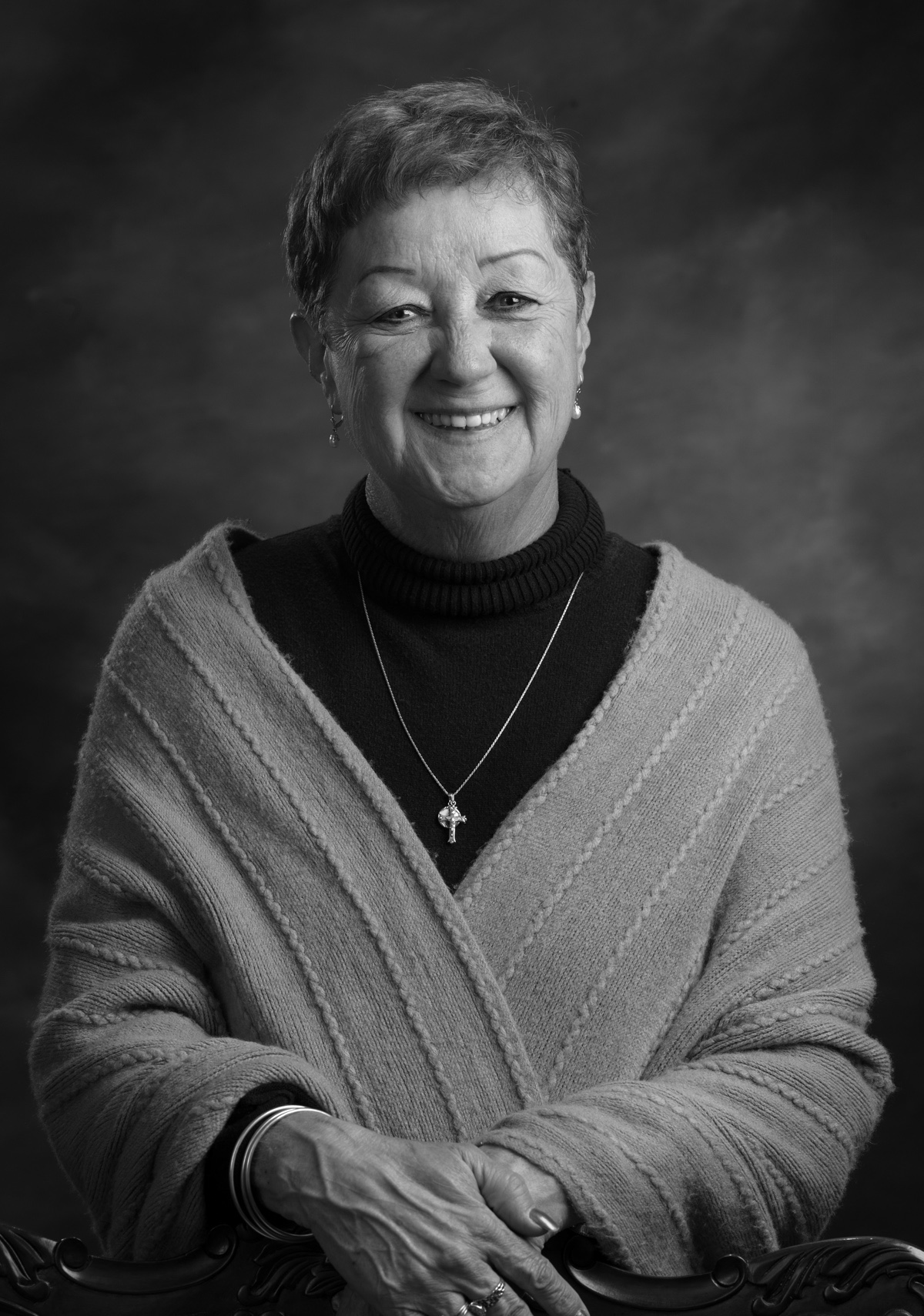
Professional and institutional biographies credit David with portrait work involving Justice Antonin Scalia, President George W. Bush, F. W. de Klerk, the Rev. Jesse Jackson, Norma McCorvey, Gen. Barry R. McCaffrey, members of the DeVos family, Edsel Ford II, and other leaders in public, civic, artistic, and business life.
Selected portraits
Portraiture across public life.
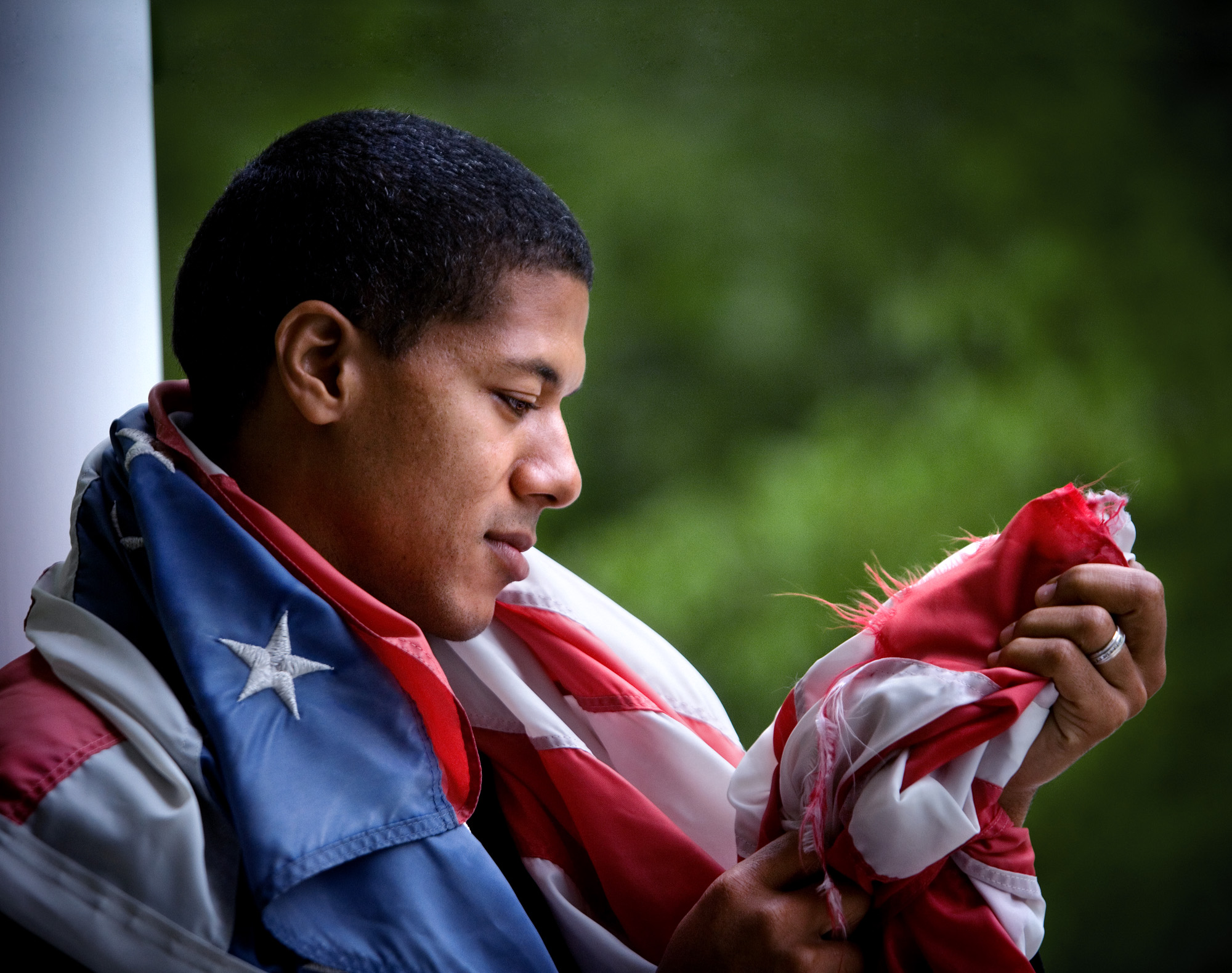
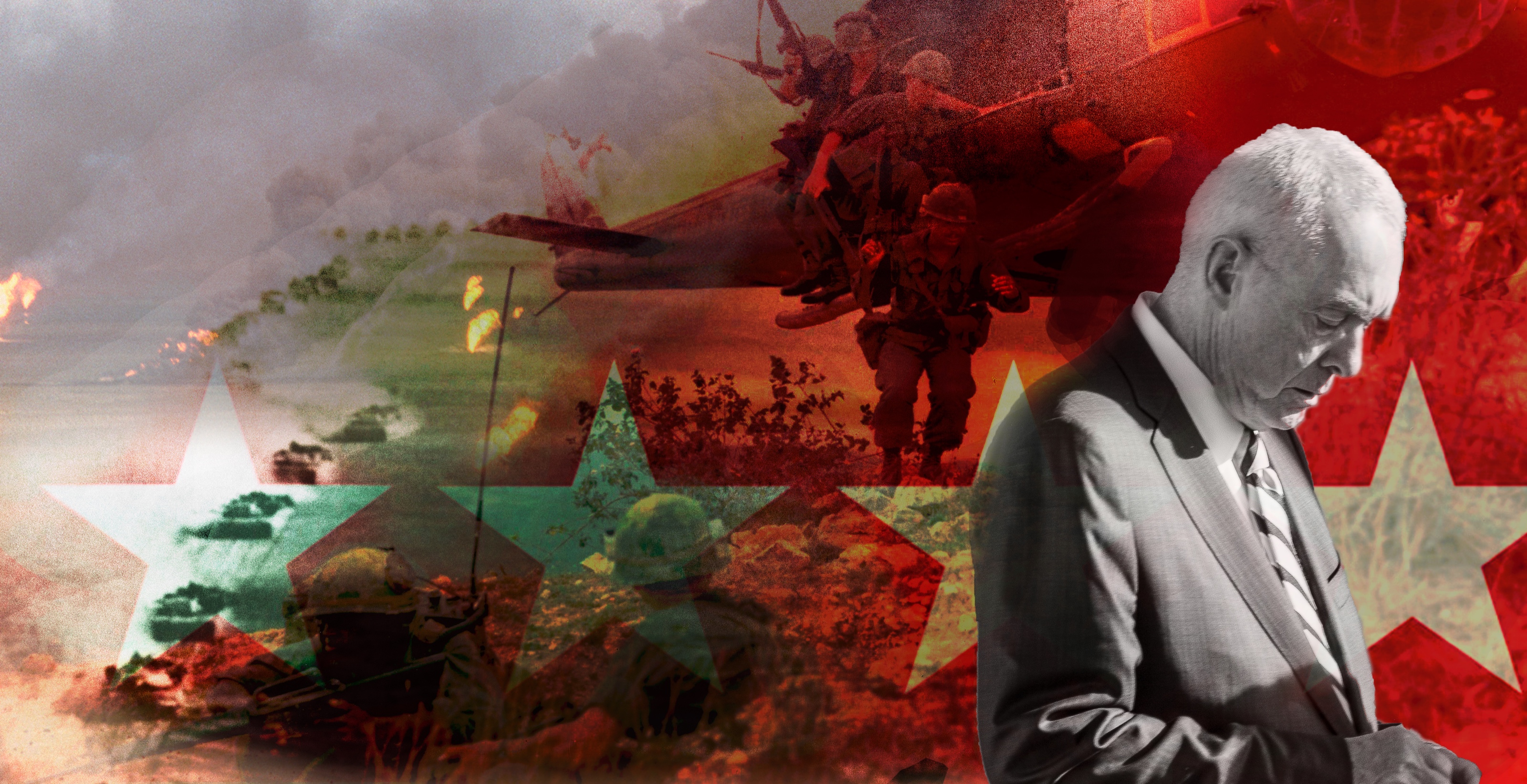
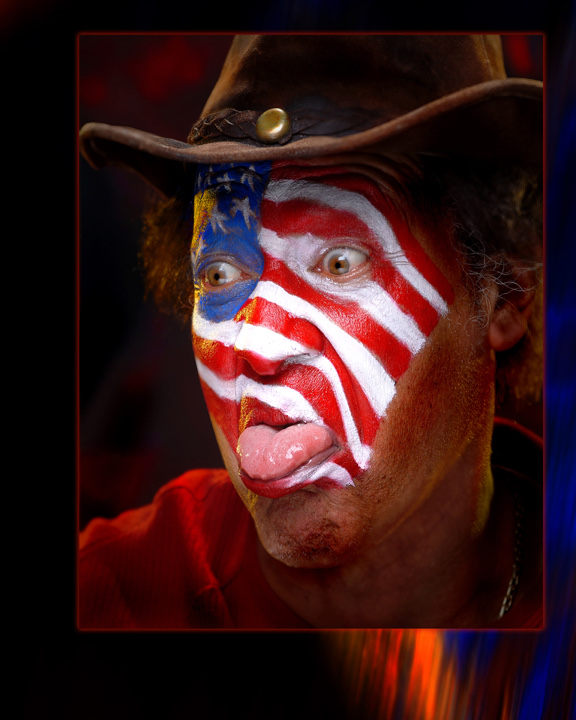
These portraits span government, international statesmanship, civil rights, the judiciary, public debate, and the arts.
In their words
“Your super portrait.”
President Gerald R. Ford · handwritten note
“A magnificent piece of work.”
F. W. de Klerk · signed letter
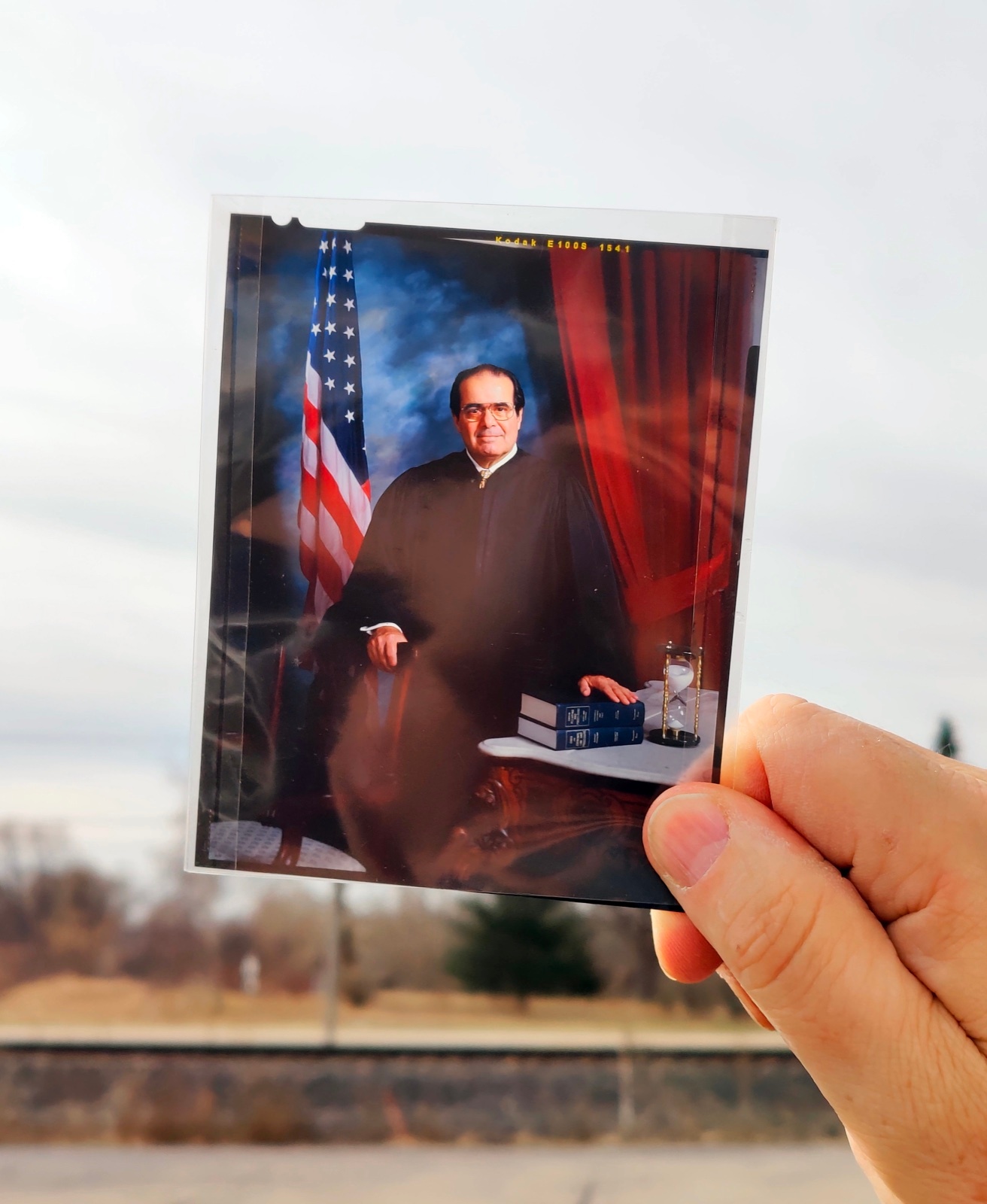
Original transparency
The original transparency: Justice Antonin Scalia. David holding the original color transparency from his portrait of Justice Antonin Scalia.First-hand history
The last witnesses of the First World War.
In 2006, David began an independently financed effort to find, photograph, film, and interview the last surviving veterans of World War I.
The work took him across North America and Europe to veterans from the United States, Canada, Britain, and Germany—men and women whose memories reached back to trenches, aircraft, hospitals, and the long aftermath of the Great War. Several subjects died only weeks after their sessions.
On March 6, 2008, nine portraits were unveiled at the Pentagon. The U.S. Army recorded that they would remain on permanent display. Frank Woodruff Buckles, America’s last surviving World War I veteran, attended the ceremony and then joined David at the White House.
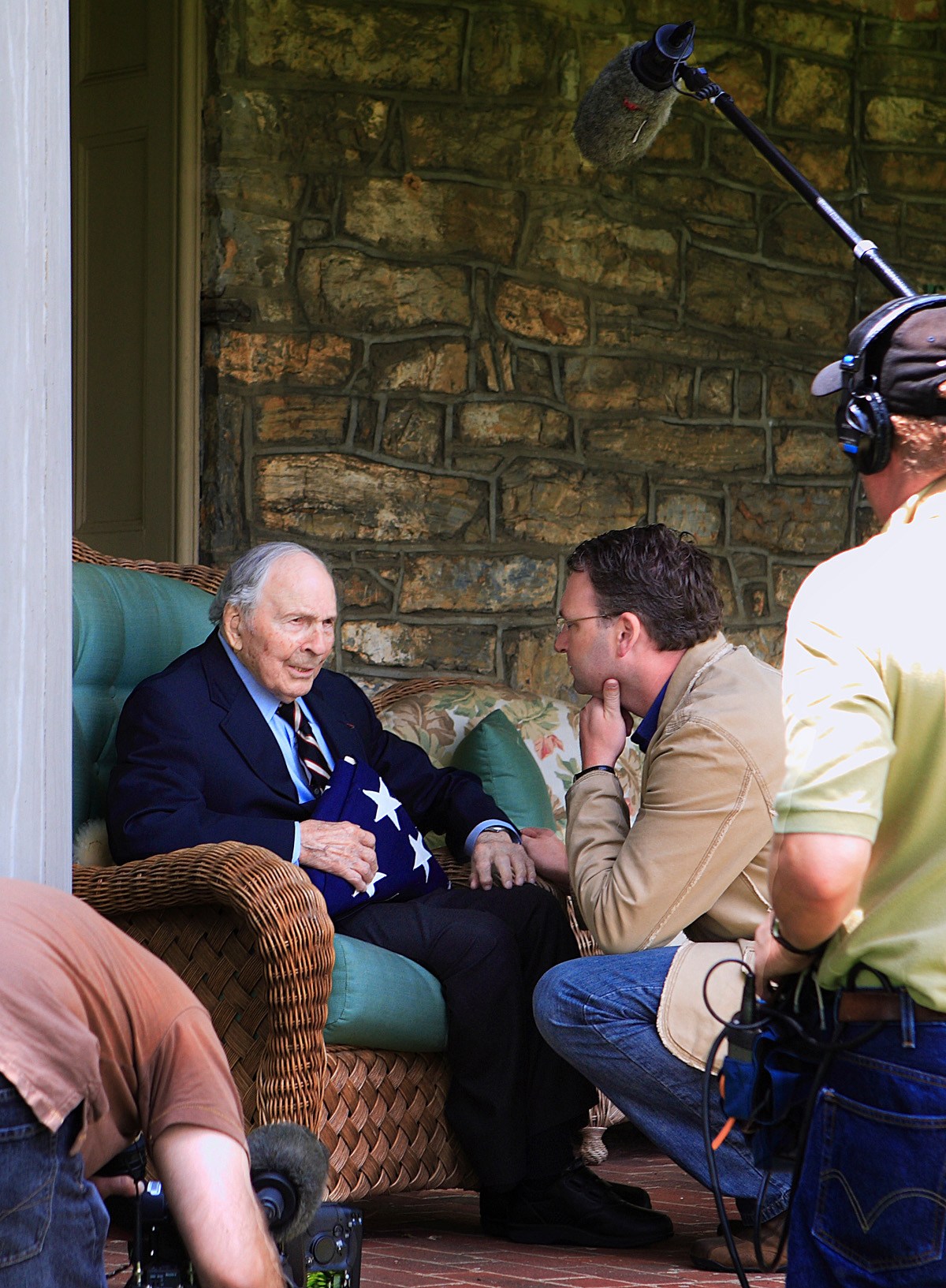
Before the campaign · The witness
Trust was built at conversational distance.David J. DeJonge with Frank W. Buckles during filming at Gap View Farm near Charles Town, West Virginia, May 17, 2007. Project photograph.Applied Strategy In Action
A promise became a citizen campaign.
After the Pentagon and White House events, David, Frank Buckles, and attorney Edwin Fountain confronted the condition of the District of Columbia War Memorial in Washington and the absence of a national World War I memorial in the nation’s capital.
David and Fountain helped organize the World War I Memorial Foundation in August 2008. David served as president. The campaign brought together veterans, students, educators, journalists, museums, preservation advocates, and members of Congress. David carried the portrait exhibition into schools and public venues while building national media attention around the issue.
The foundation advocated for restoration and broader commemoration; public agencies and Congress controlled the public actions. The National Park Service completed a major restoration of the D.C. memorial in 2011. Congress established the World War I Centennial Commission in 2013 and enacted memorial provisions affecting the Liberty Memorial and Pershing Park in 2014. The National World War I Memorial opened at Pershing Park in 2021 and reached completion in September 2024 with the installation of A Soldier’s Journey.
David continued to argue publicly for a memorial on the National Mall, including two bylined opinion pieces in The Washington Post in 2014 and 2018.
Public-health campaign · Route 66 · May 18–24, 2006
ALS Across America: David turned a road trip into a public campaign.
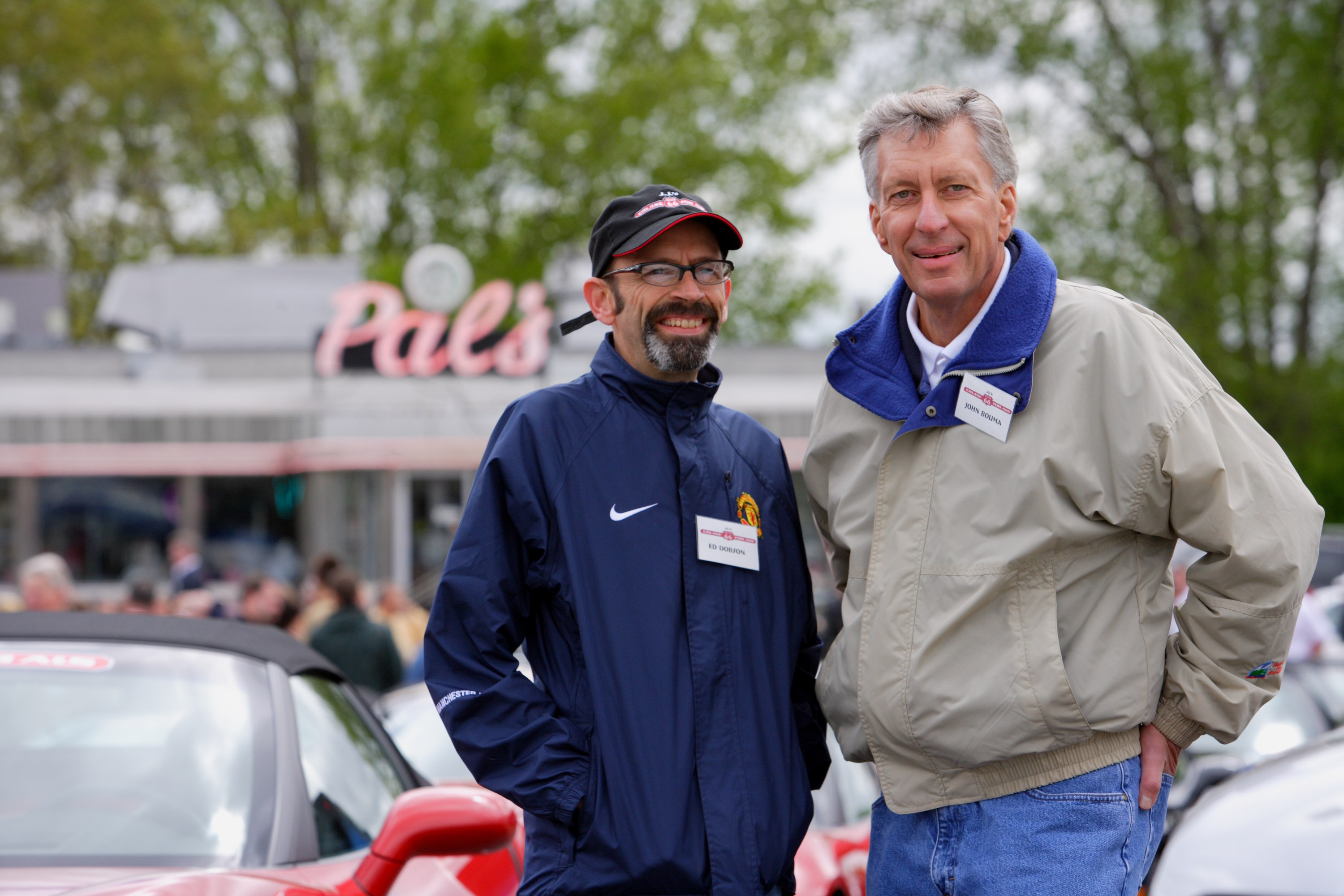
David’s role was not simply to photograph a journey someone else had designed. Friends of John “J.J.” Bouma and Pastor Ed Dobson asked him how a Route 66 ride could create greater public impact. He became the campaign strategist, public-relations point, project manager, and lead photographer.
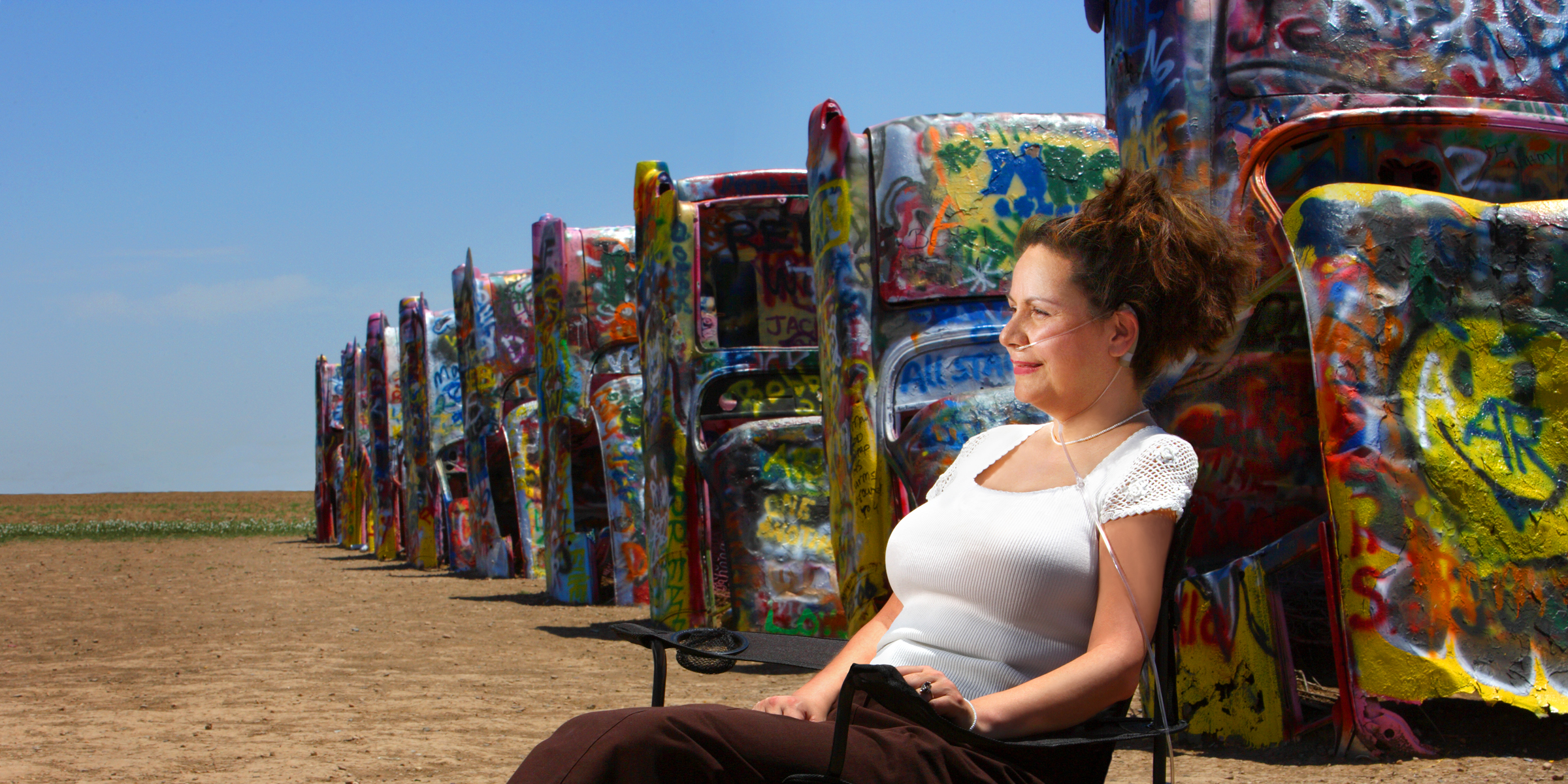
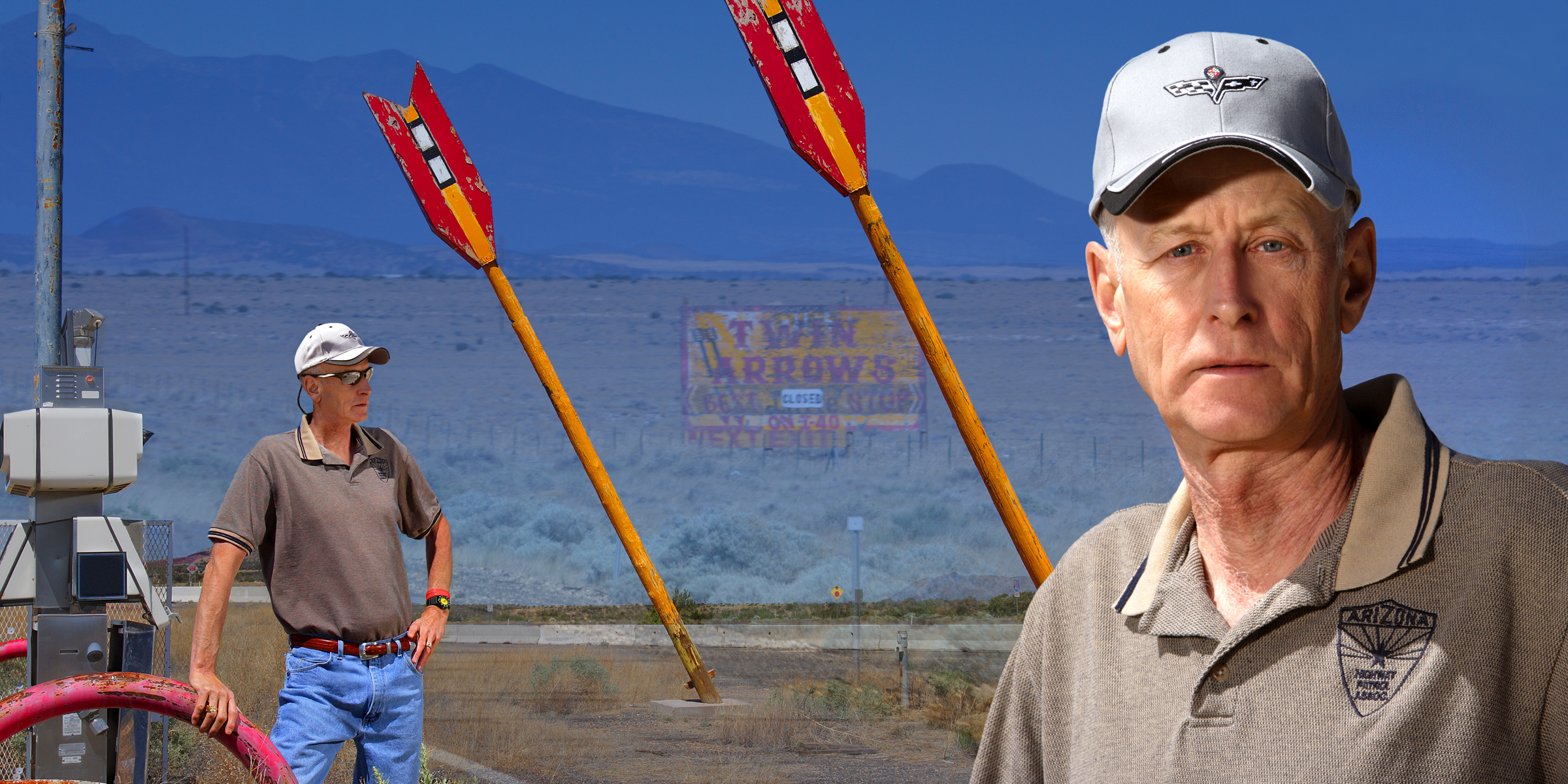
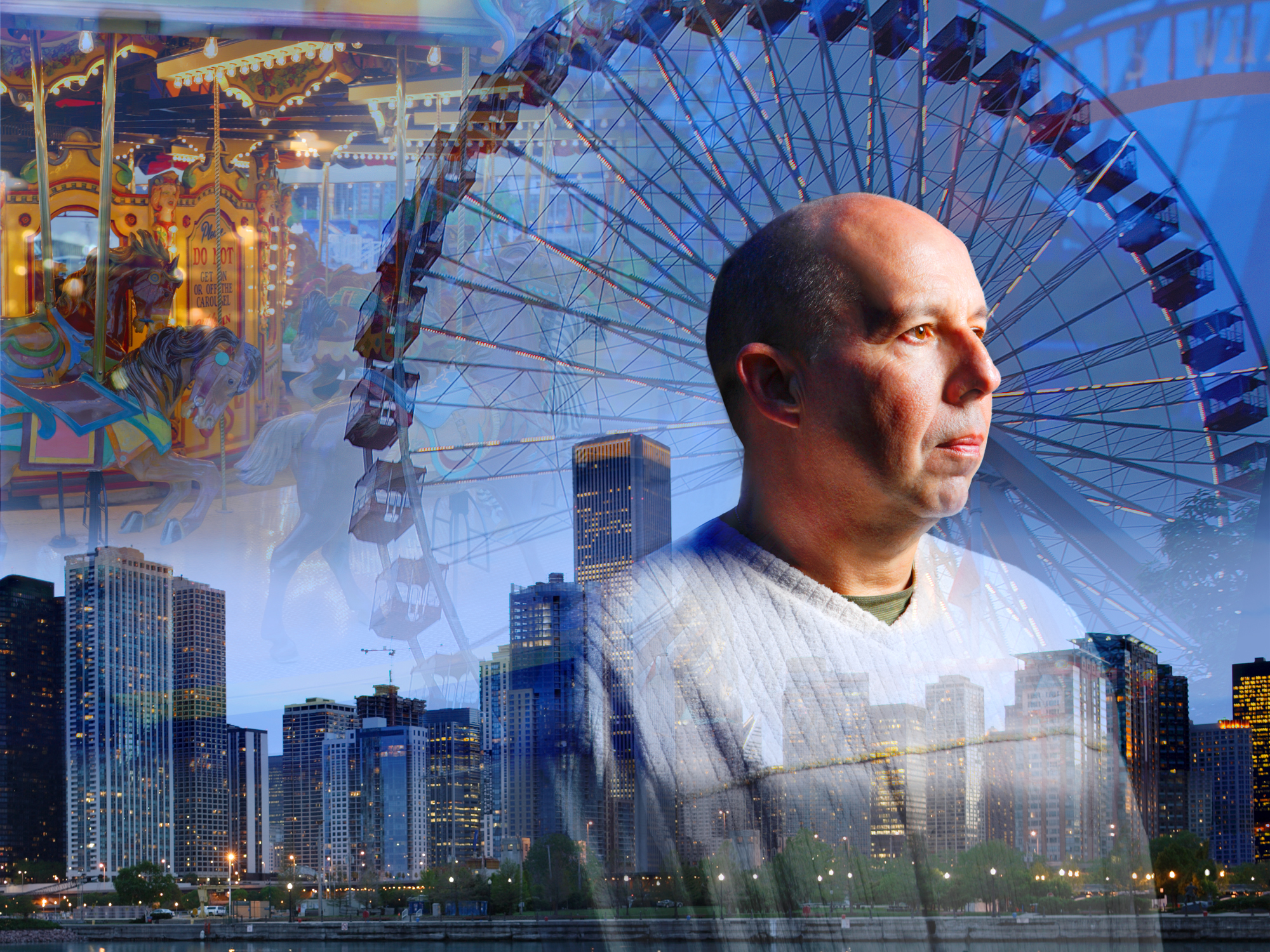
David conceived an environmental-portrait strategy: meet people living with amyotrophic lateral sclerosis, photograph them within the American landscape, and join each person’s story to landmarks the public already knew. The concept gave the caravan a narrative engine. Every stop created a new human story; every upload gave supporters a reason to follow; and the accumulating record connected education, attention, and fundraising.
He organized the work as a day-by-day visual narrative and recalls editing, writing, coordinating, and uploading between stops so momentum could build while the caravan was still moving west. The surviving 2006 archive traces the campaign through Navy Pier, Lincoln’s Home, Rest Haven Court, the Mississippi River, the giant cross near Groom, Cadillac Ranch, Albuquerque, Santa Fe, Twin Arrows, Holbrook, Flagstaff, and finally Santa Monica.
By the last day, the Congressional Record reported more than $265,000 raised against an original $66,000 goal. Mary Free Bed later placed the total at $318,000 and recorded that the caravan met eighteen people living with ALS and their families. Bouma also asked Saint Mary’s leadership to establish a local ALS clinic; the collaborative clinic opened in fall 2007.
- $66K
- original goal
- $265K+
- raised by the final day
- $318K
- final total reported
The human record
Faces along the Mother Road.
The strategy depended on people—not scenery alone. These portraits preserve encounters with individuals living with ALS along the Mother Road.
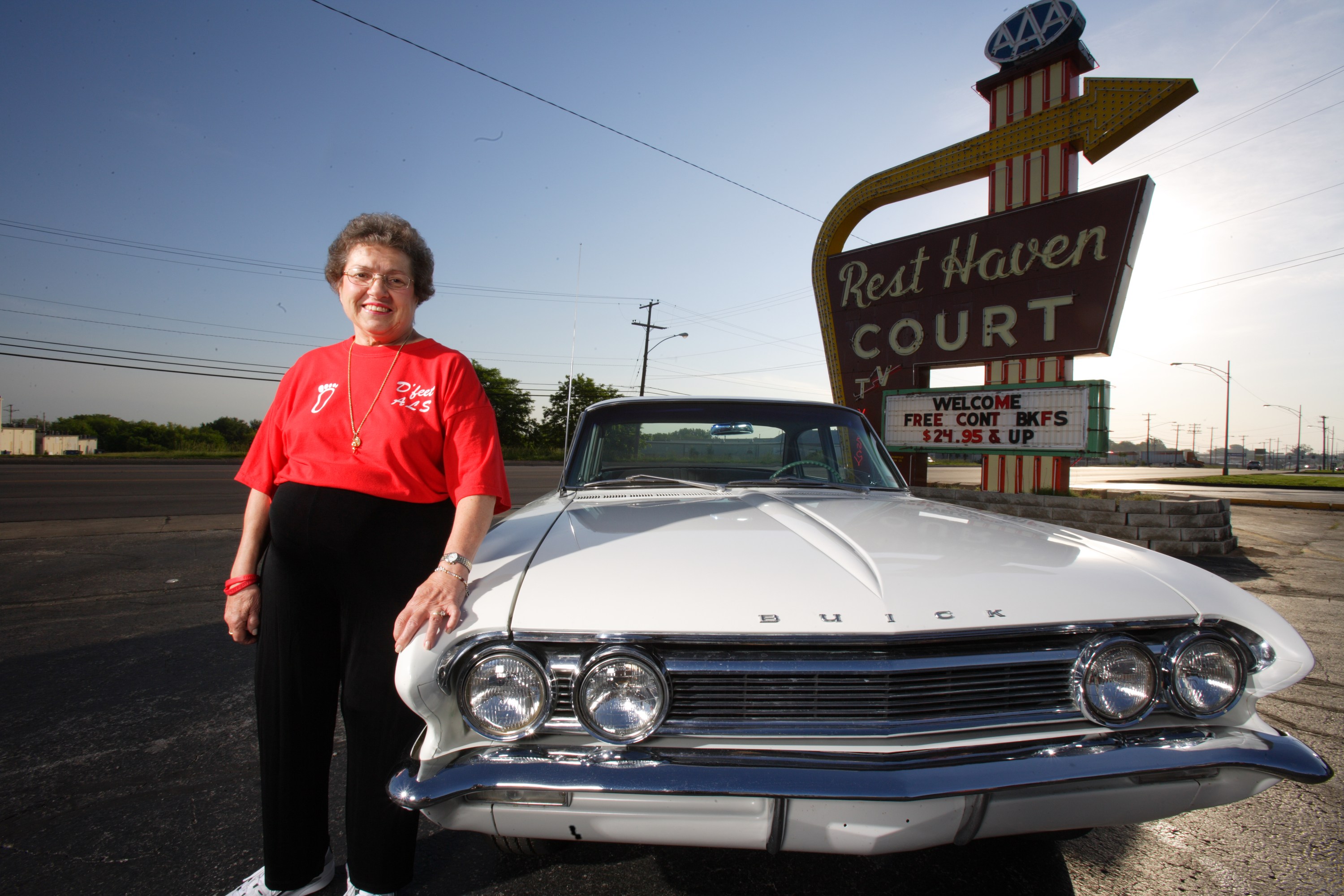
Open more portraits from the Route 66 recordSeven lives, seven landmarks, one campaign narrative7 additional portraits
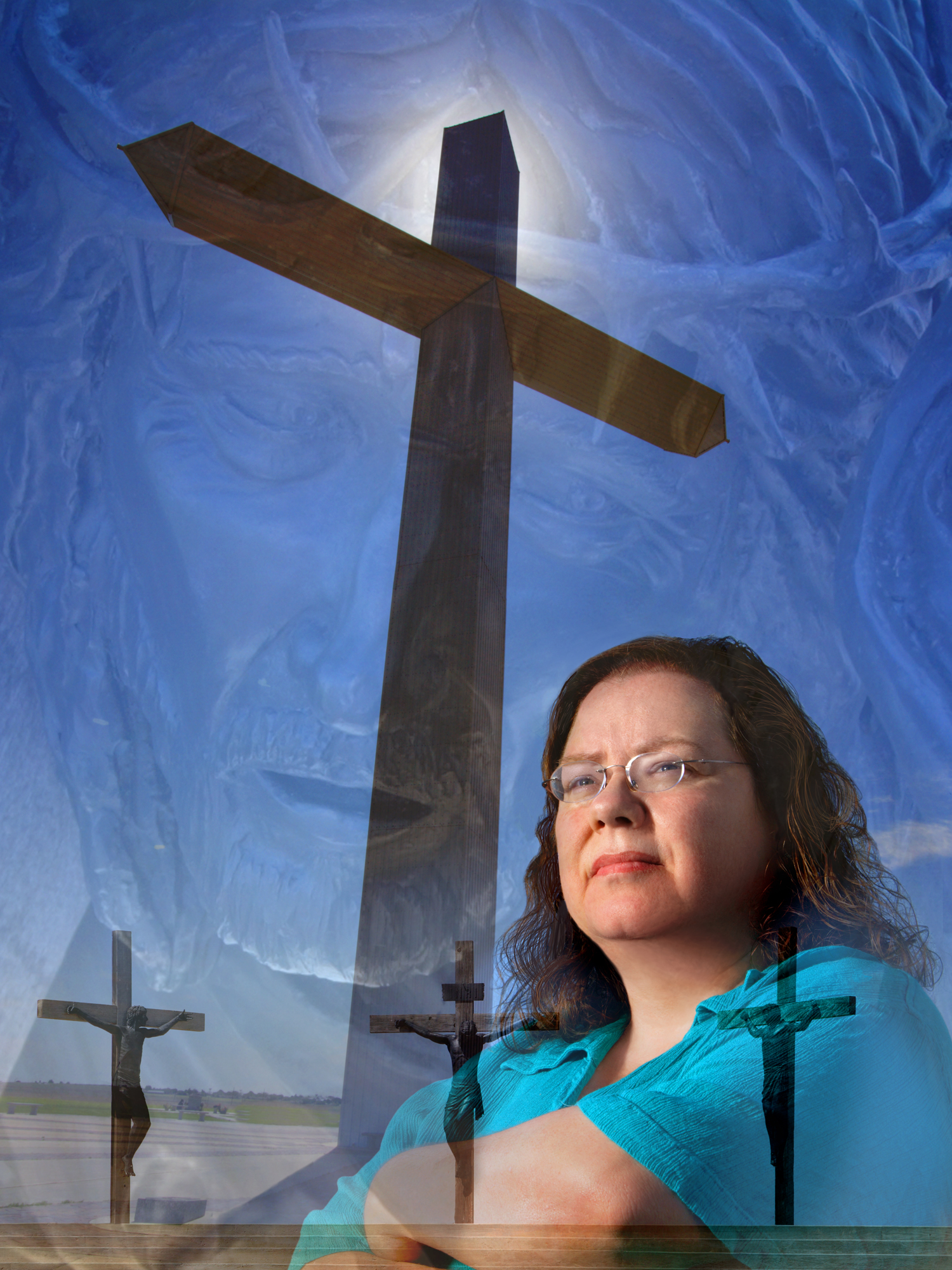
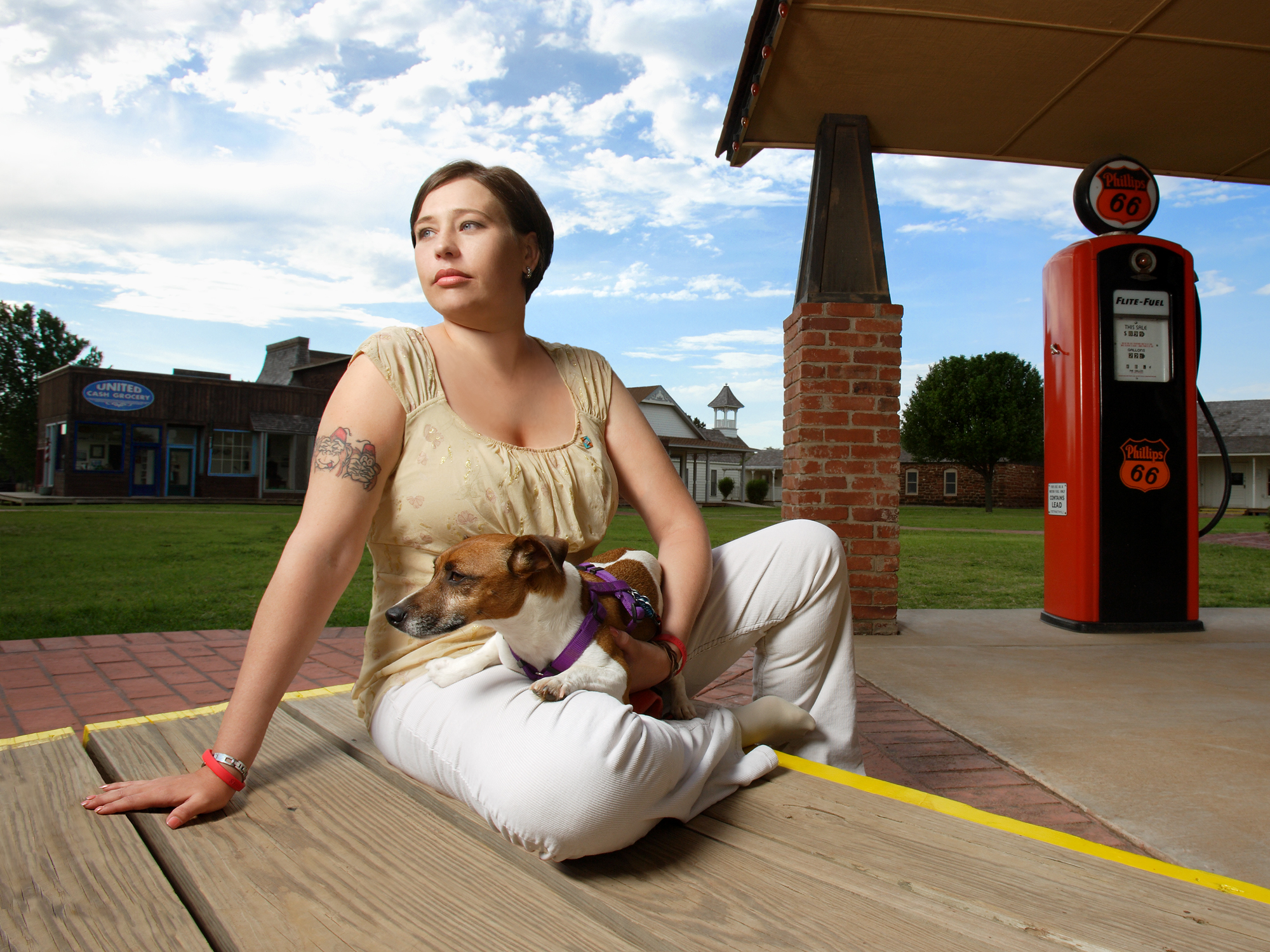
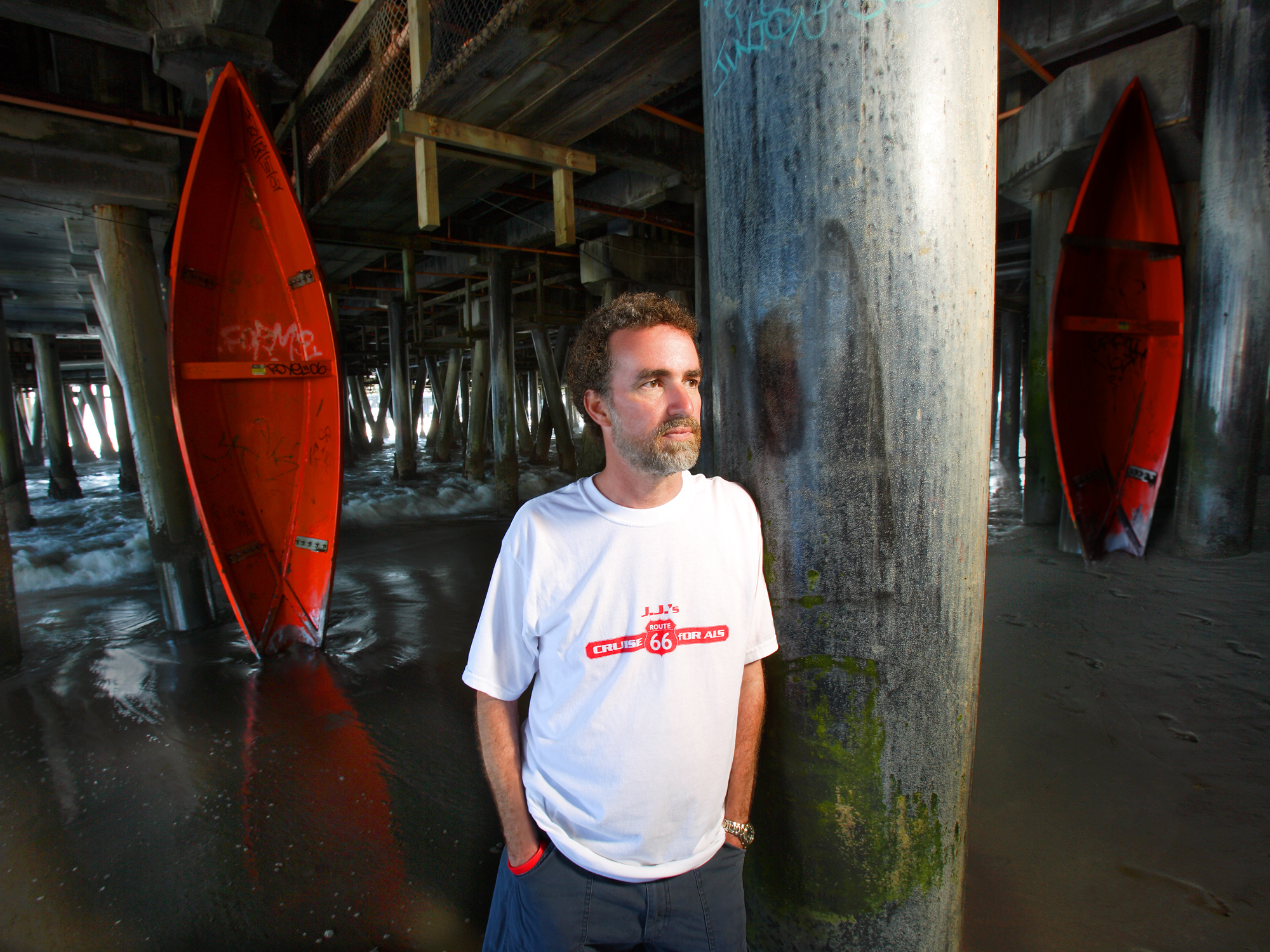
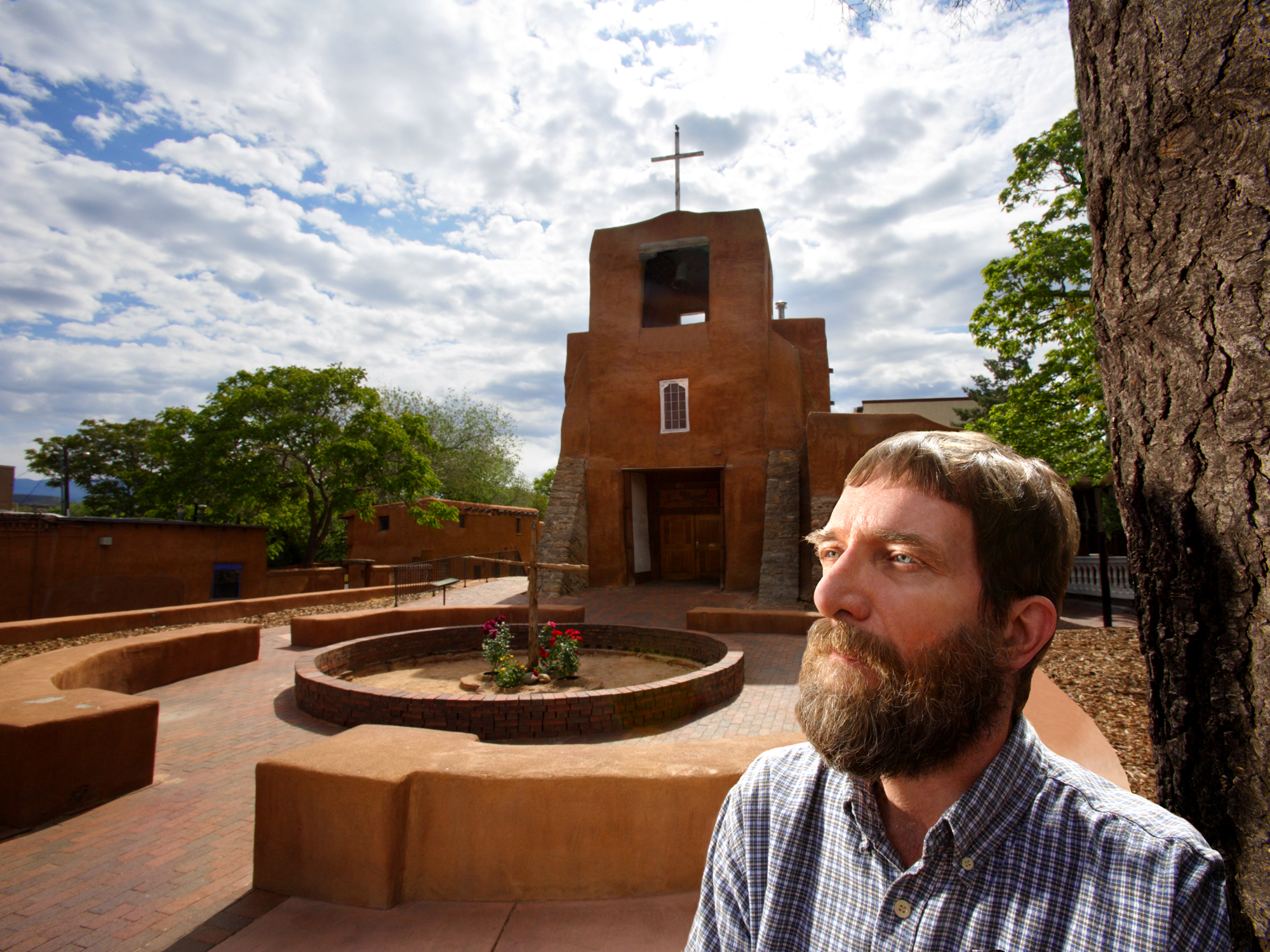
ALS Across AmericaPhotography by David J. DeJonge · Video by Brett Ellens · 6 min. 54 sec.
“Get to the witness; get to the facts.”
ASIA — Applied Strategy In ActionFilm & education
Placing first-hand testimony in public context.
The traveling portrait project became a civic-education program. At Creekwood Middle School in Humble, Texas, students studied the war across subjects, created an exhibition, raised approximately $14,000, traveled to meet Frank Buckles, and entered the national discussion over commemoration. Students in Naperville, Illinois, later built their own large-scale exhibition in collaboration with the project.
Feature documentary · 1 hr. 33 min.
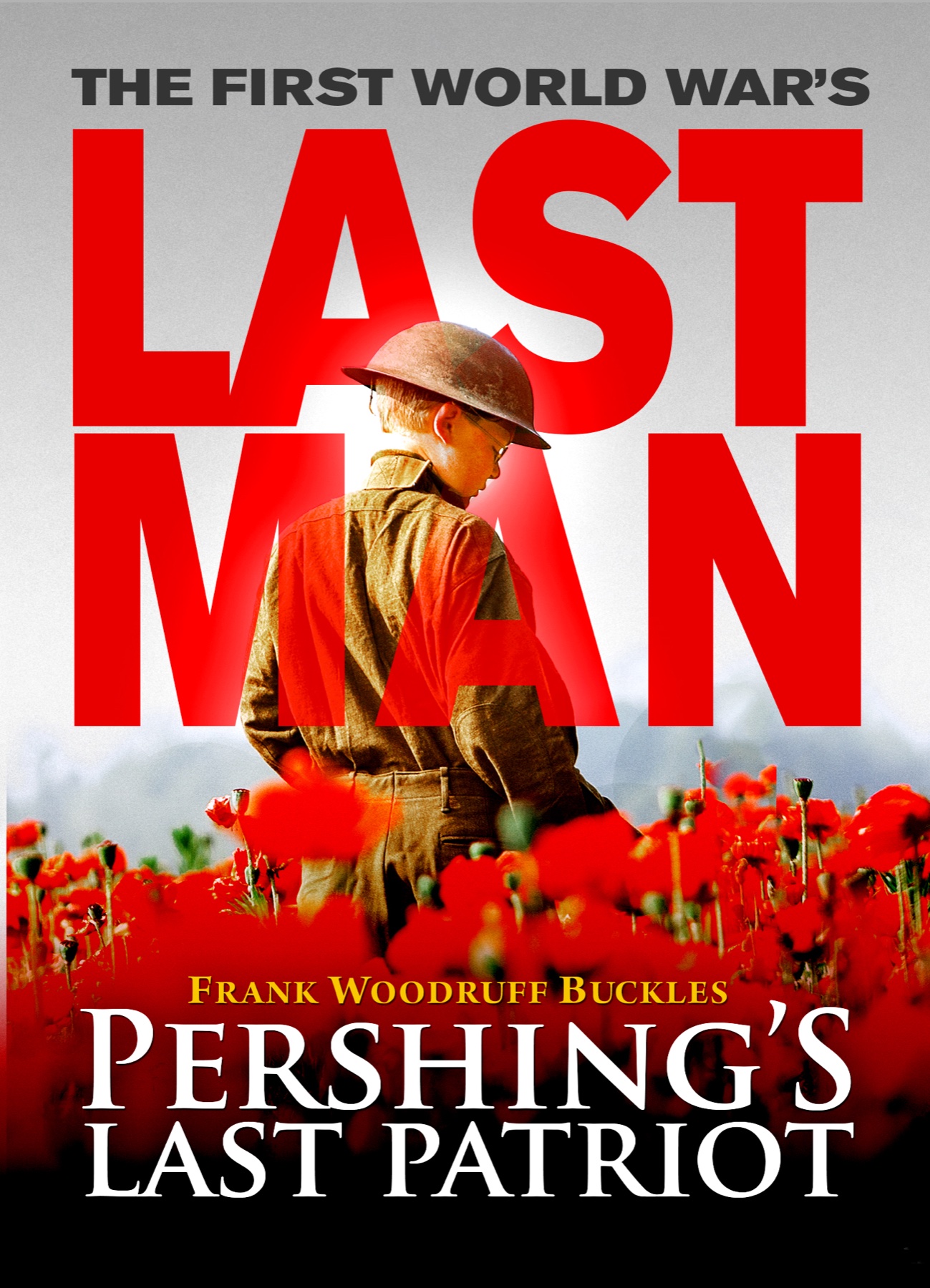
Pershing’s Last Patriot
The life of Frank Woodruff Buckles—and the struggle over how the United States would remember his generation.
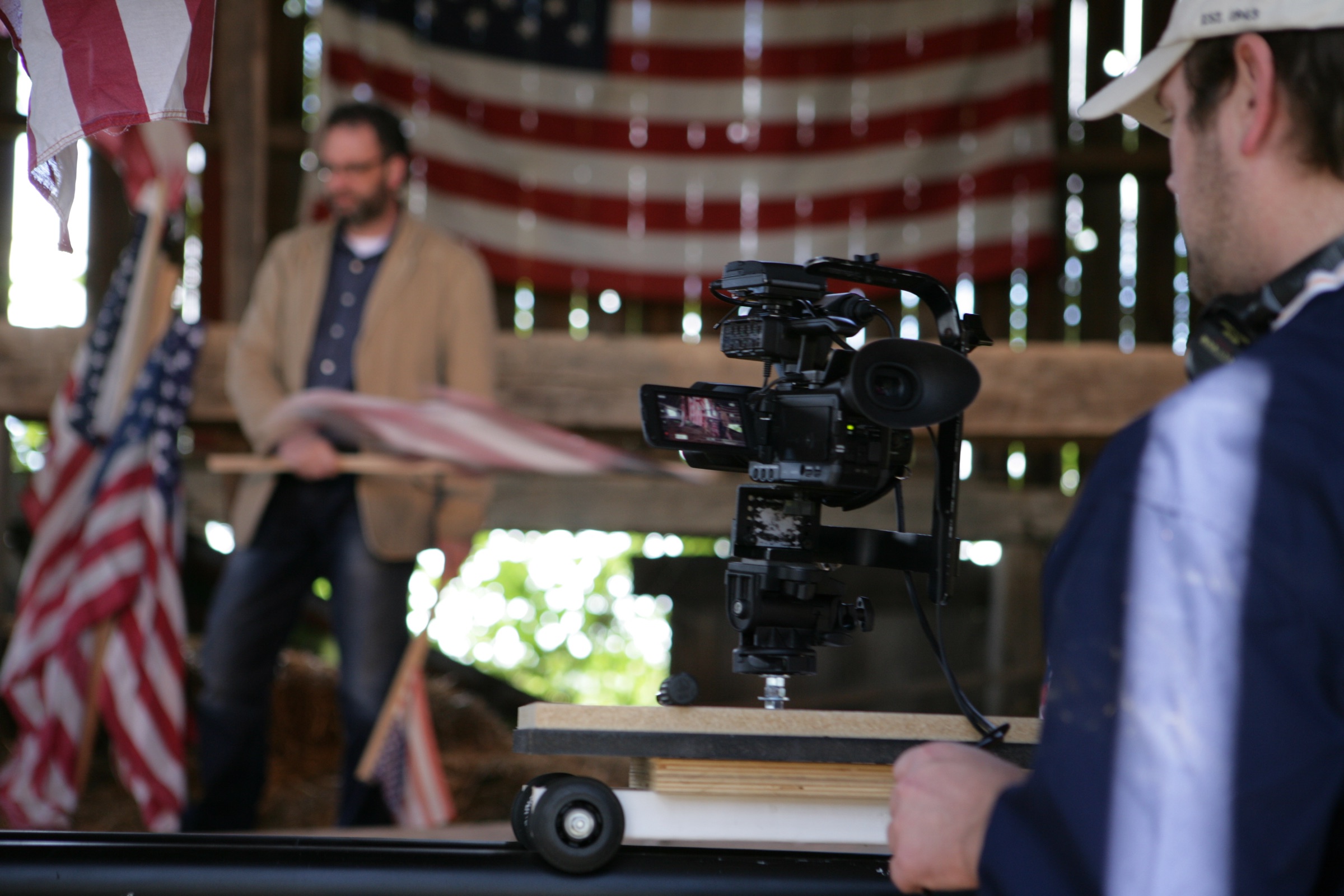
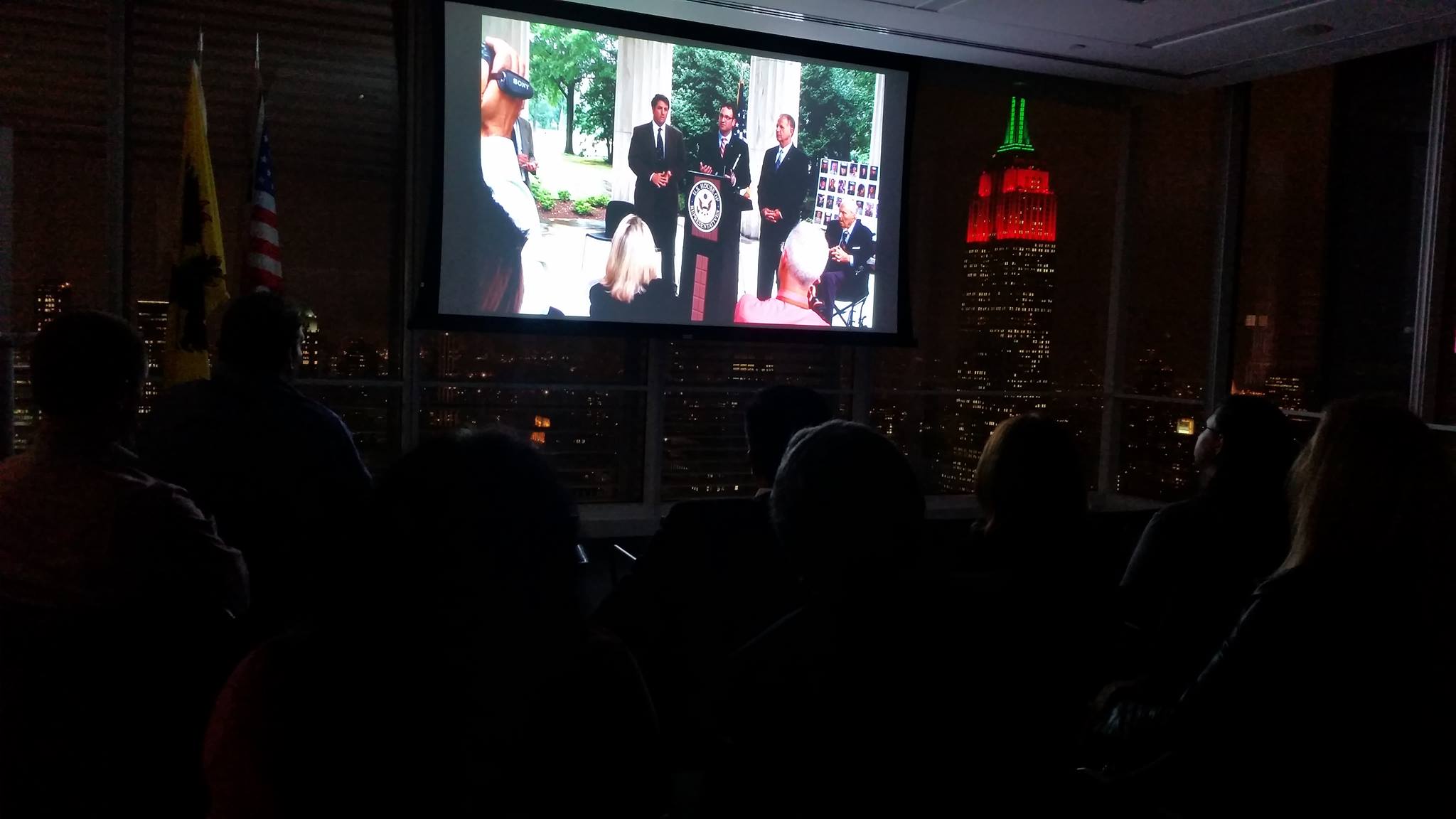
David extended the portrait and oral-history work into this feature documentary. Public film credits identify him as director, co-writer, and executive producer; Richard Thomas introduces the film.
The film remains available to a broad public through established streaming and rental platforms.
Enterprise
A second enterprise: Legacy Icons.
After becoming an Antiochian Orthodox Christian, David founded Legacy Icons in 2012. It carried techniques developed through portraiture—faithful color, careful reproduction, respect for the original, and long-term client trust—into the preservation and presentation of sacred Christian art.
Founder-provided sales records show sustained, compounding growth across the company’s history, with annual growth exceeding 40 percent in repeated years. By August 2026, David reported that the debt-free company had served more than 90,000 customers and was receiving more than four million website visits annually.
That effort now includes a collaboration with Saint Catherine’s Monastery on Mount Sinai. Friends of Mount Sinai Monastery reports that David and the Legacy Icons team helped develop the replica-icon project and that it had generated $12,372 for the monastery by December 20, 2024.
Visit Legacy Icons ↗ Read the Friends of Mount Sinai report ↗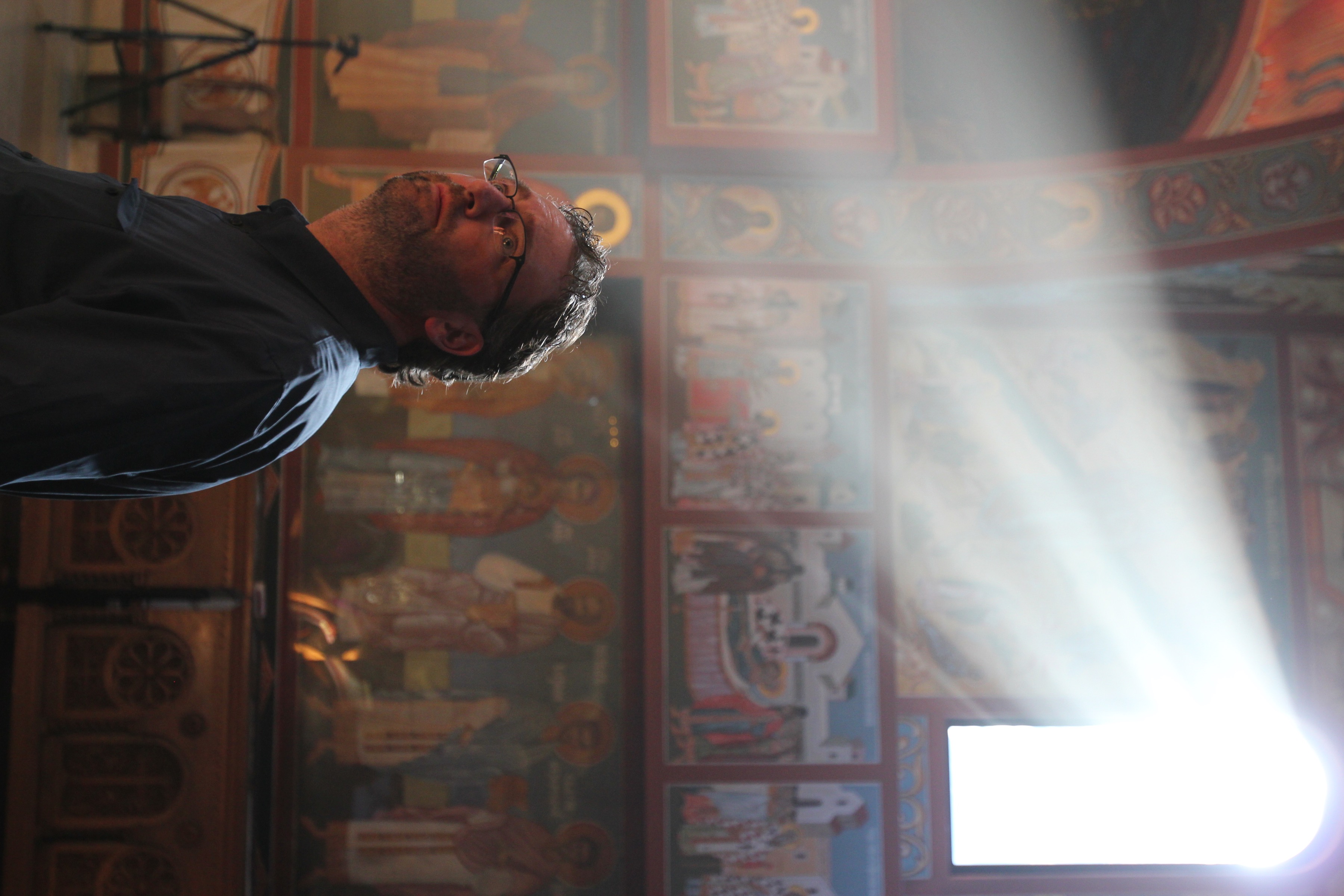
Faith
Faith is the glue.
For David, faith is not a retreat from difficulty. It is the way he looks beyond an obstacle, tests truth against a witness, and keeps a promise after the cost becomes real.
“I have always had faith in a bigger picture.”
David J. DeJonge
This continuing conversation follows that through childhood, the journey to Orthodox Christianity, the financial crisis of 2008, the responsibility of leading Legacy Icons, work among vulnerable people, and the ethics of making a portrait.
The same through-line appears visually at New Gračanica, Vashon Island, and Mount Athos; in a New York meeting with representatives of Saint Catherine’s Monastery; and in Legacy Icons’ continuing replica-icon collaboration supporting the monastery.
Selected honors and awards
Honors and awards with a public record.
David did not build his career around awards, but several documented honors help mark the range of the work—from photographic craft to public history and civic initiative. His most consequential photography distinction was an unusually rapid progression through two WPPI Honors of Excellence levels.
APMAccolade of Photographic Mastery25-point exhibition threshold
→AOPAAccolade of Outstanding Photographic Achievement30 cumulative exhibition points
30+ competition points in one yearTwo WPPI mastery levels earned during David’s first year of competition.
The 2003 WPPI results are reported in the contemporary Michigan Retailer profile. Historical credential records place APM at 25 exhibition points and AOPA at 30 cumulative points; WPPI competition rules distinguish those scored exhibition points from separate placement trophies. David’s surviving blue-ring award identifies APM; he confirms the subsequent higher AOPA credential and the one-year progression. Byzanfest’s archived 2015 results name Men In Black as Audience Favourite.
Home
Family, faith, and continuity.
David and his wife, Gayle, have four adult children. Faith, service, ministry, and the family business each remain part of the life they share.
The family lives in Zeeland, Michigan—a present-day home with an unexpected echo of the family’s Dutch past.
Explore the family history →