Selected photography · 1980s–present
The photograph is an original seizure of history that should be admissible as evidence of fact.
Portraits of public life, first-hand witnesses, private grief, the American road, Native nations, and sacred places—joined by an insistence on presence.
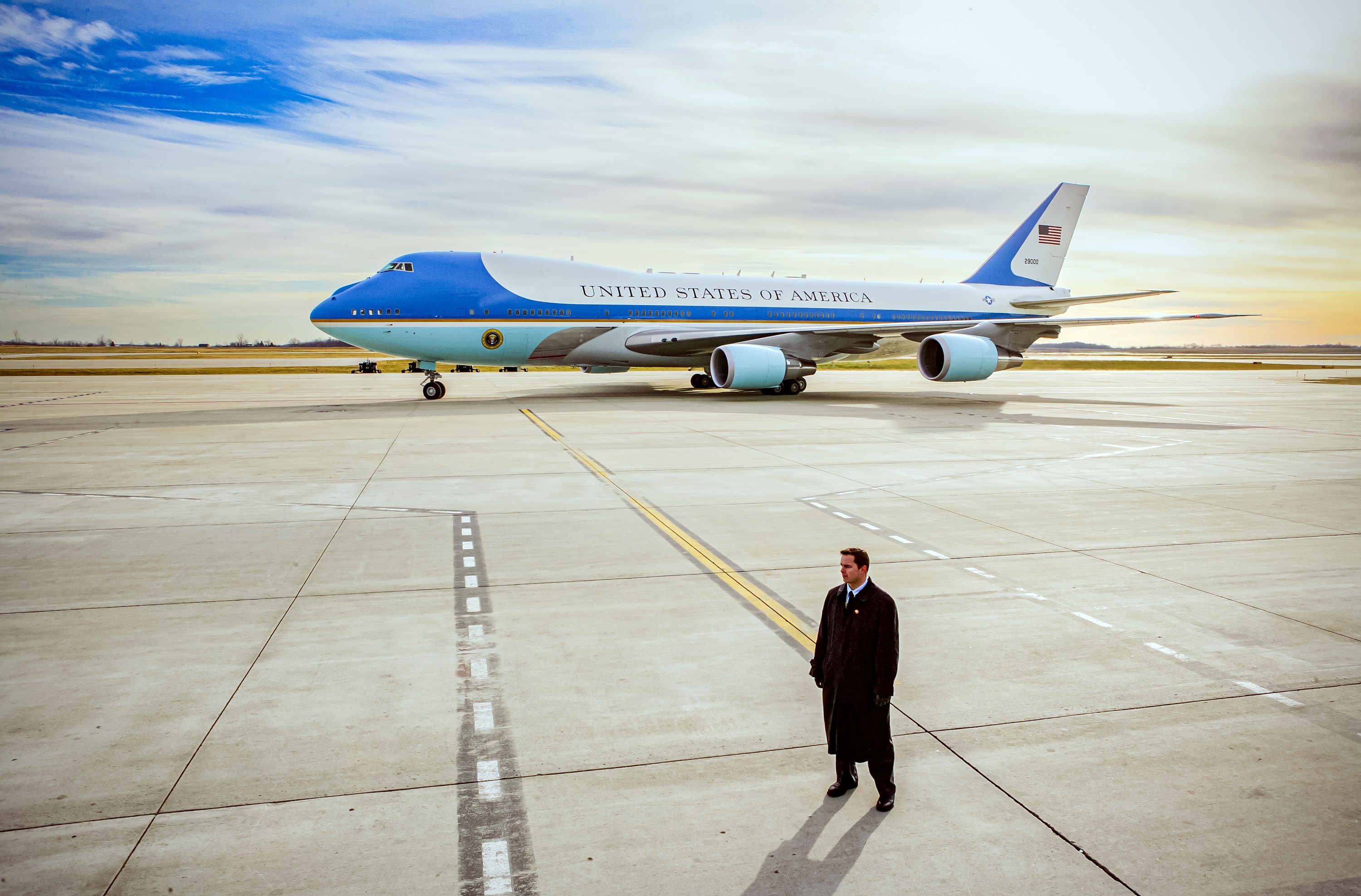
Grand Rapids, Michigan · 2007 · Photograph by David J. DeJonge
The body of work
Not a list of subjects. A record of encounters.
David’s camera has moved between formal portrait sittings and unrepeatable documentary moments. The work is most revealing when those worlds are allowed to speak to one another.
A presidential portrait and a woman on a public bench ask the same question: what becomes visible when a person is granted full attention?
Selected photographic work
All selected photographs are shown.
Behind the photograph · Portraiture
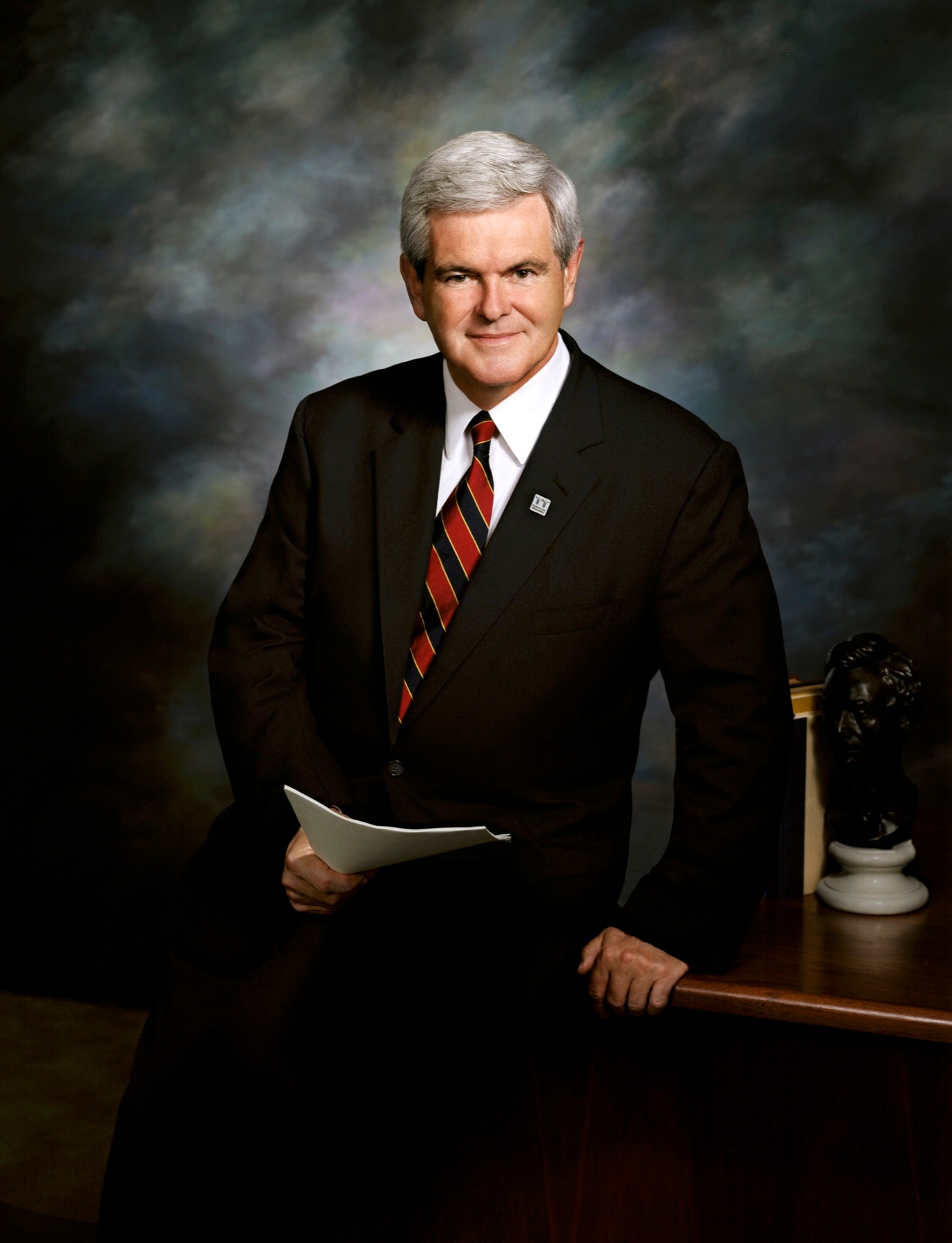
Ninety seconds in Grand Rapids. An invitation to Washington.
An earlier, severely limited sitting produced an image used on Gingrich’s calendar, website, and PAC brochure. A later Washington, D.C., commission brought a full large-format portrait setup into his office. The work became a defining lesson in preparation: trust may open the door, but craft has to be ready when it does.
Read the complete case recordThe last witnesses
Portraiture became an act of historical rescue.
David traveled to photograph the last surviving veterans of World War I across North America, then carried the work to Britain. Nine portraits were unveiled and accepted for Pentagon display in 2008; three additional British portraits extended the record in England. The encounters became the foundation for a film, an education effort, and a public campaign.
Open the complete 12-portrait collection Read the earlier Faces of Five Wars stories Follow the work into public life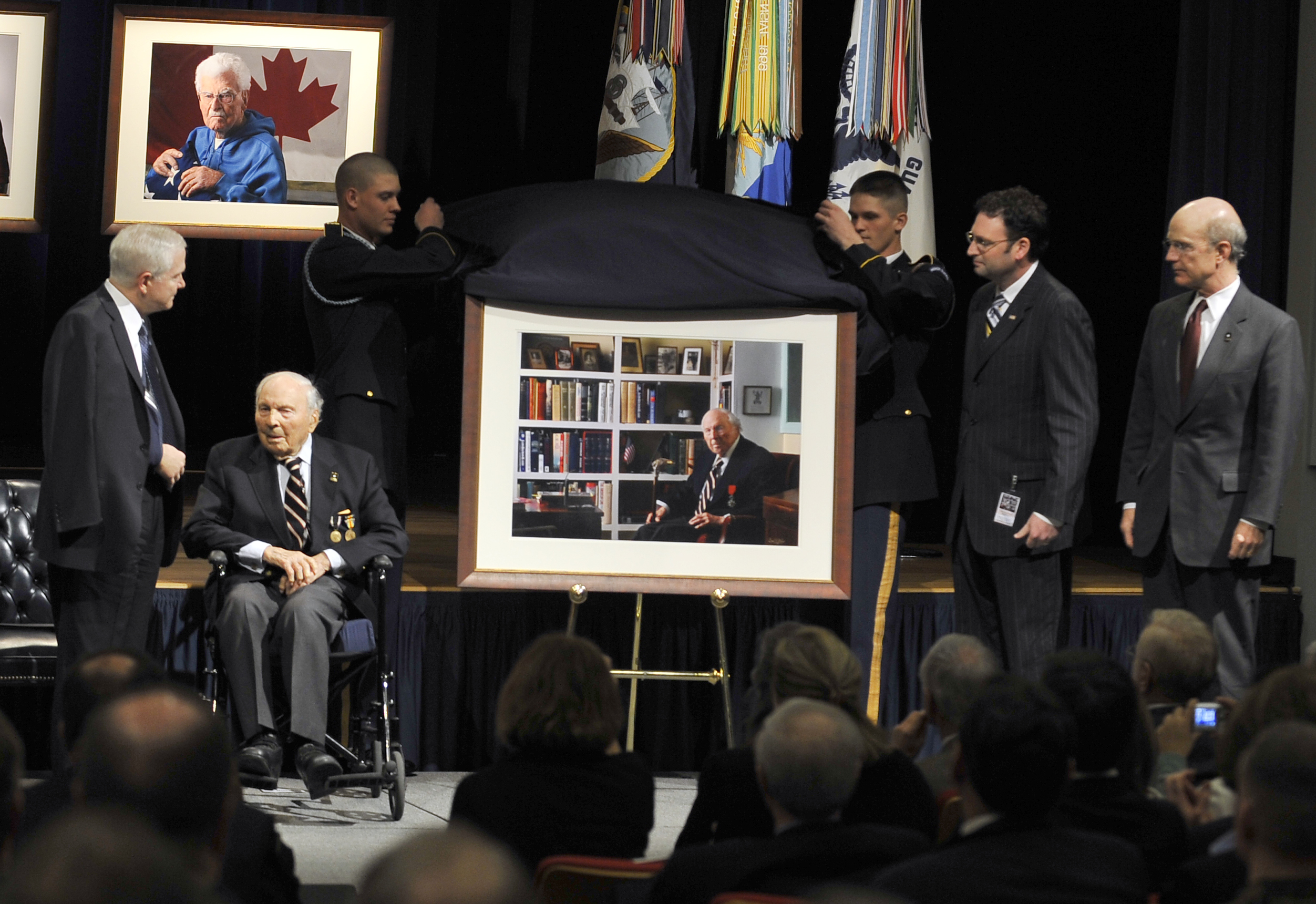
Public memory
History is carried by people before it is carried by monuments.
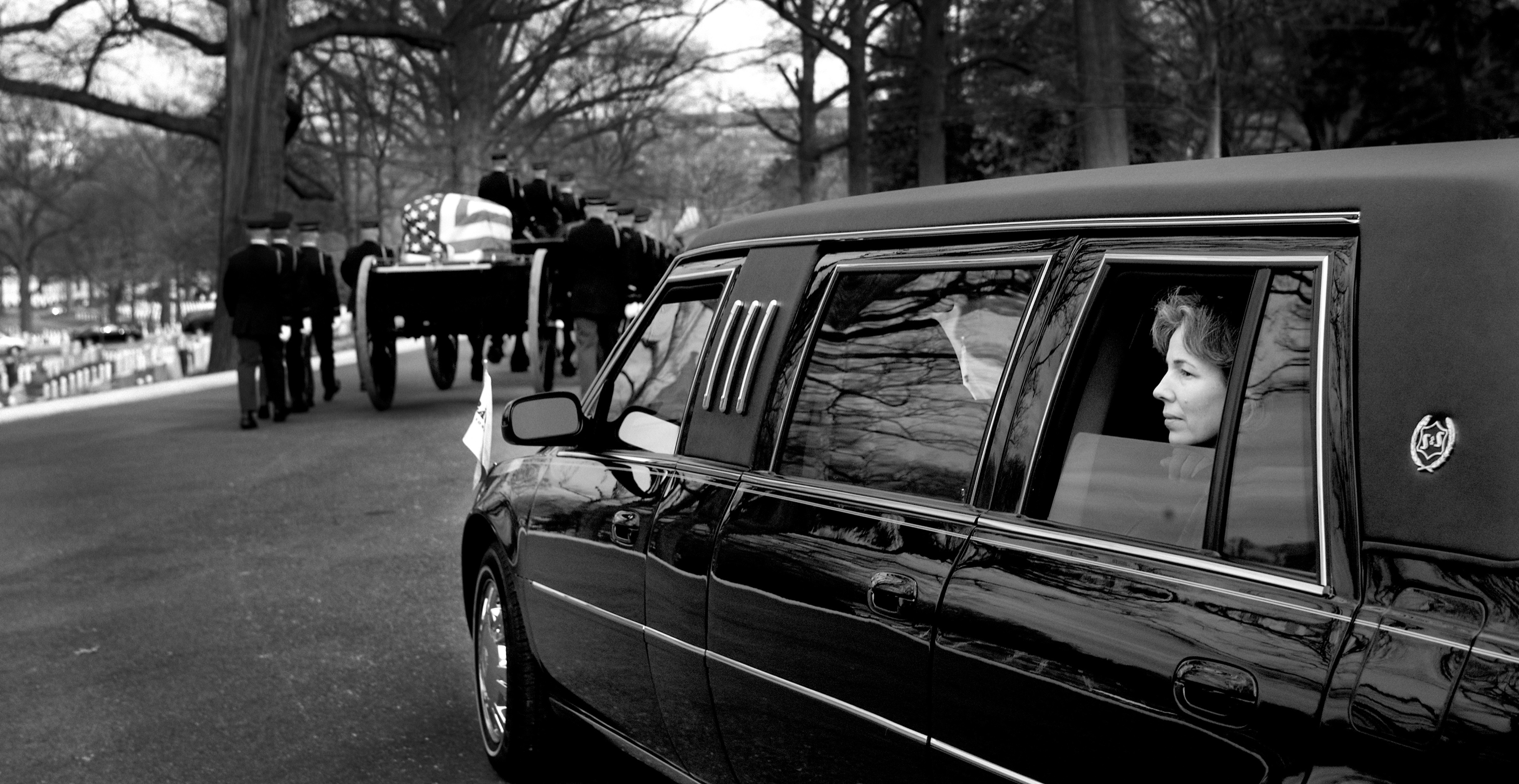
The photographs surrounding Frank Buckles’s final years hold both scales at once: national ceremony and personal cost. In the limousine at Arlington, the flag-draped caisson recedes while his daughter looks across the graves. It is a public event seen through a private window.
Native nations & first-hand history
Distinct lives, distinct histories.
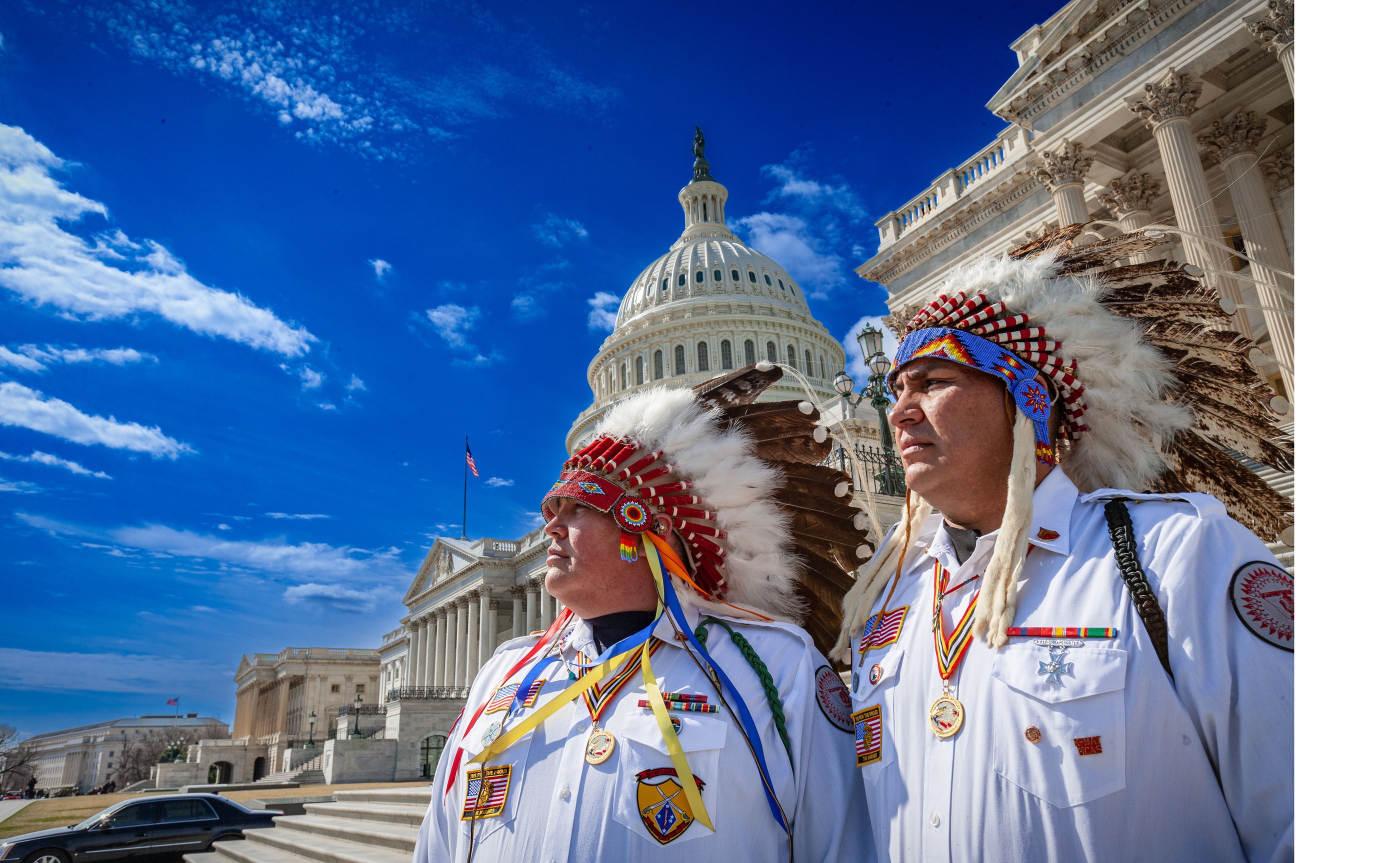
Dennis Banks, Chester Nez, and members of the Blackfeet Nation entered David’s work through different moments and histories. The photographs are presented with the names, nations, and circumstances that give each image its meaning.
American passage
The public road after the motorcade has gone.
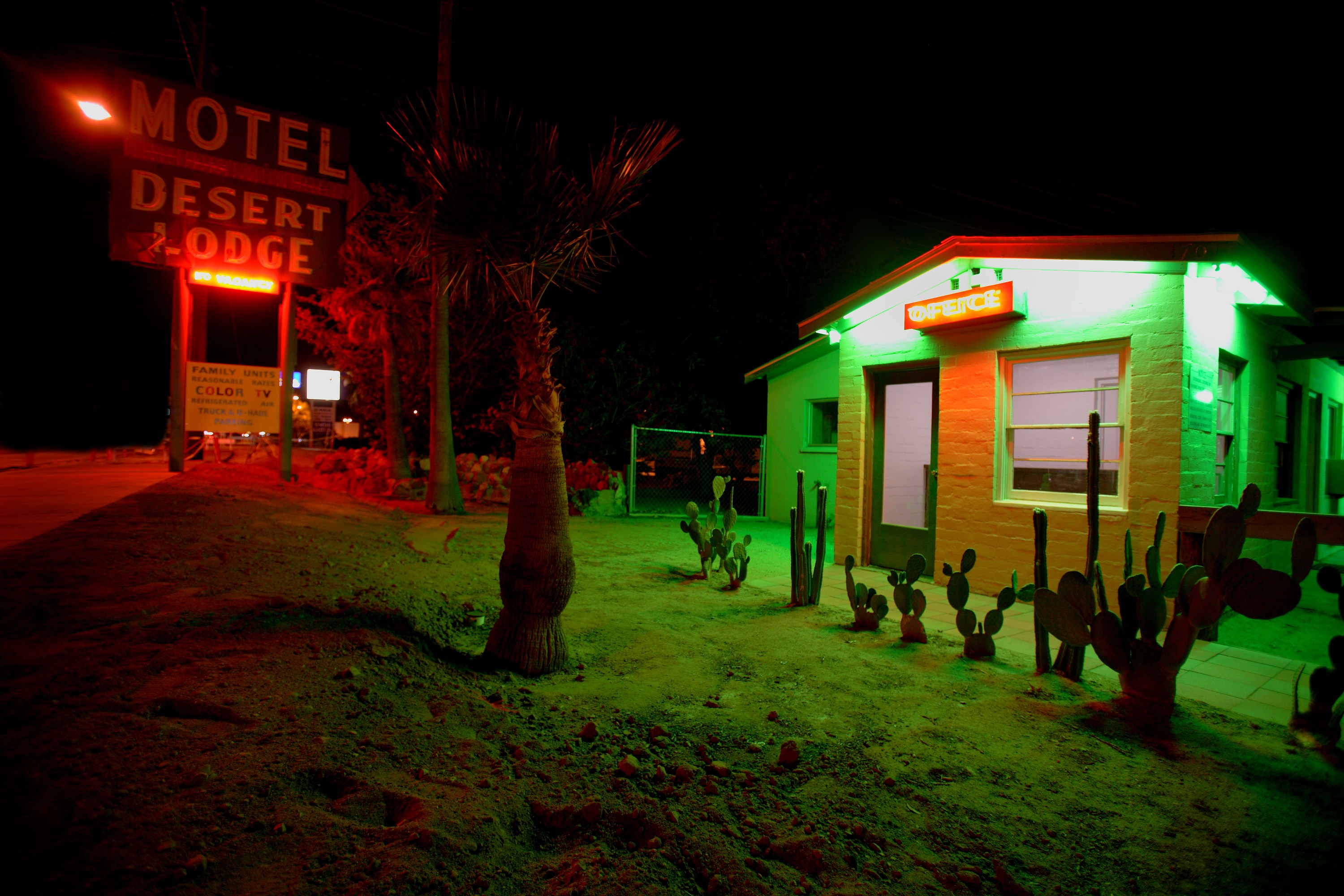
Air Force One, funeral tarmacs, motel neon, roadside ruins, and the geometry of travel expand the work beyond portraiture. Here, place itself becomes the witness.
Faith & attention
Some photographs ask the viewer to become quiet.
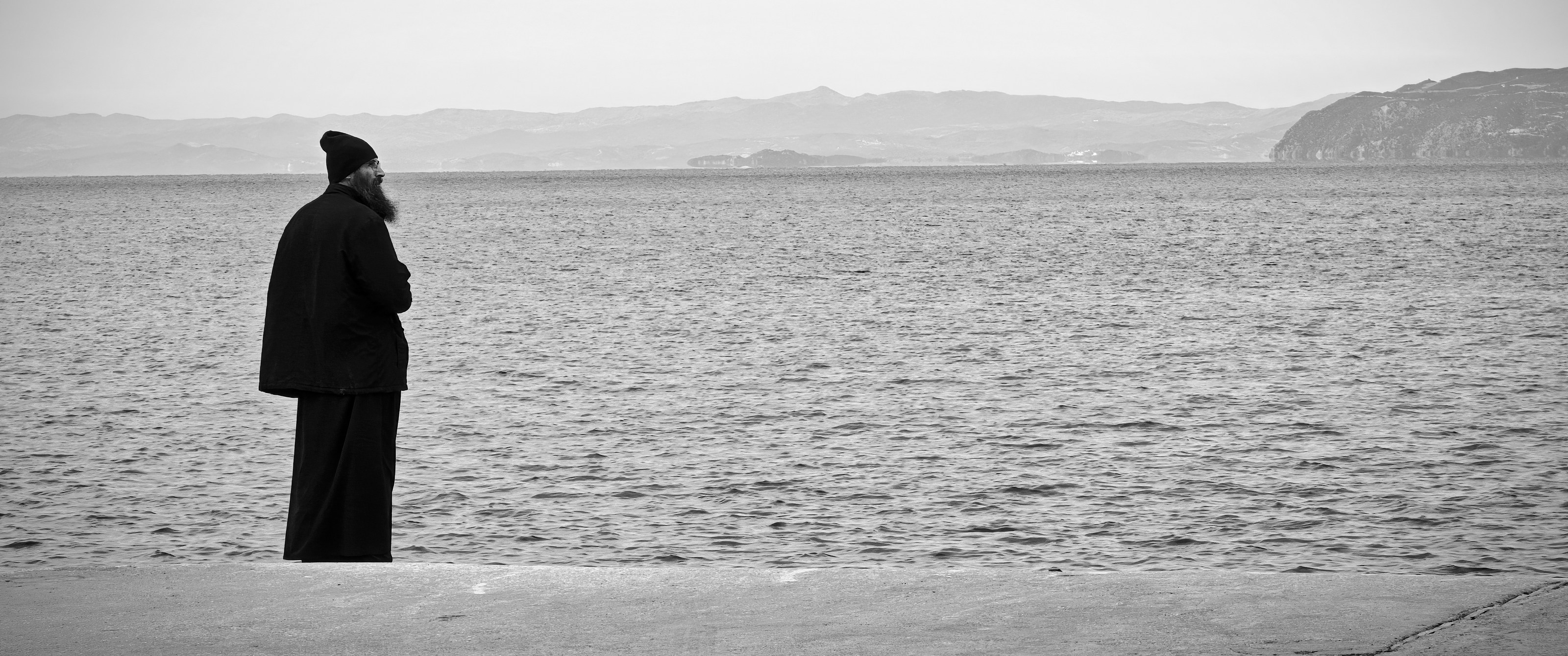
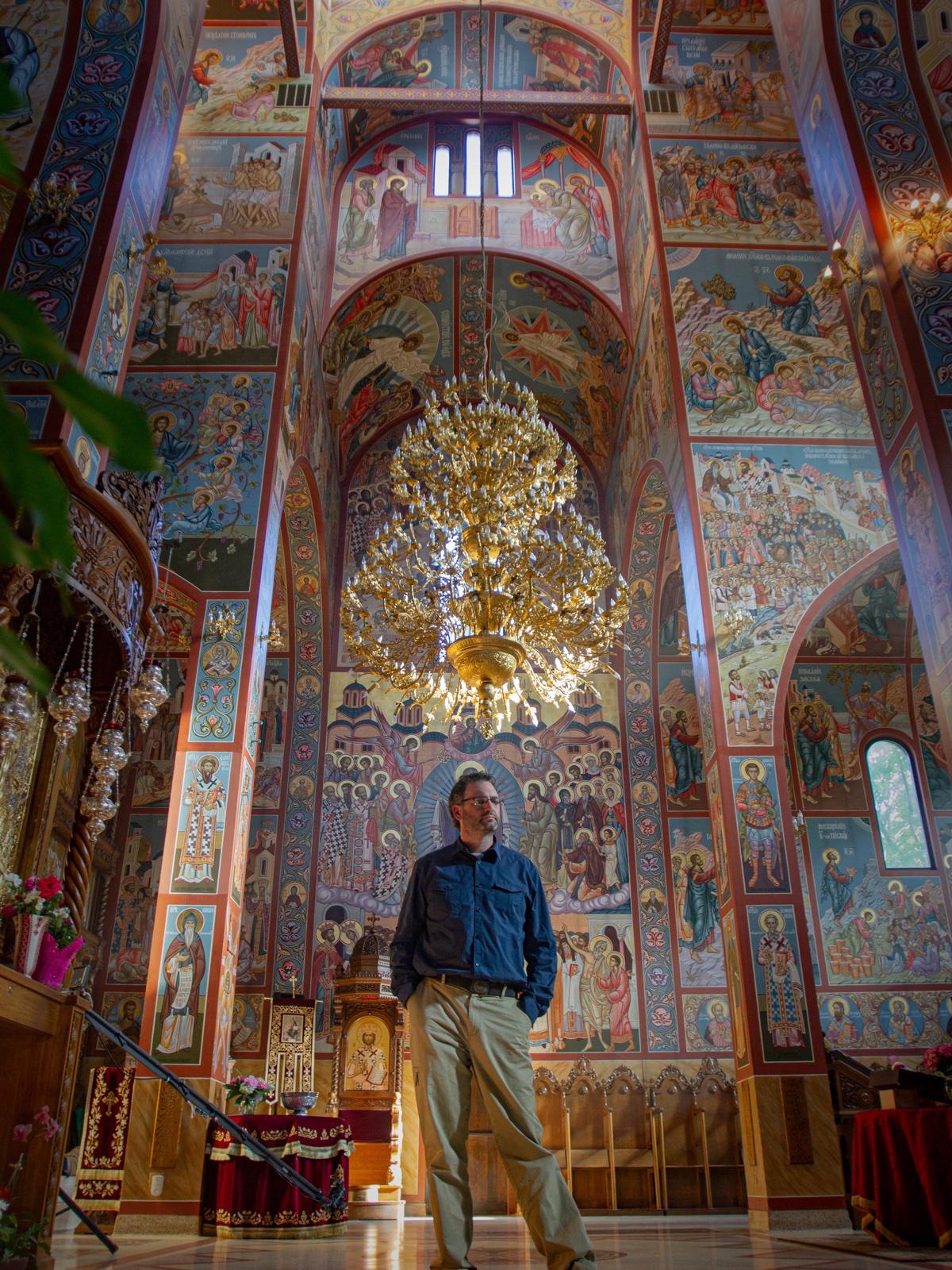
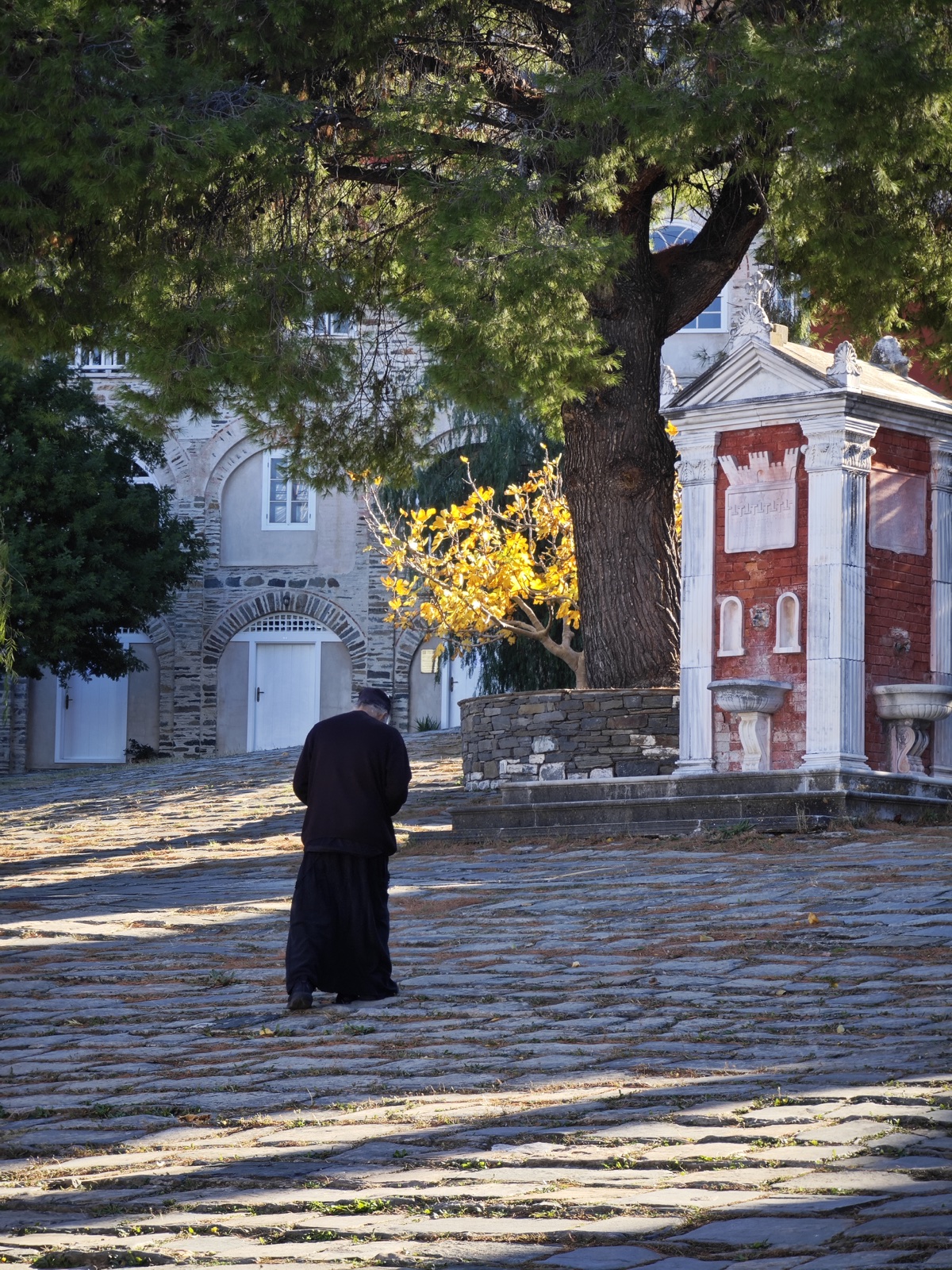
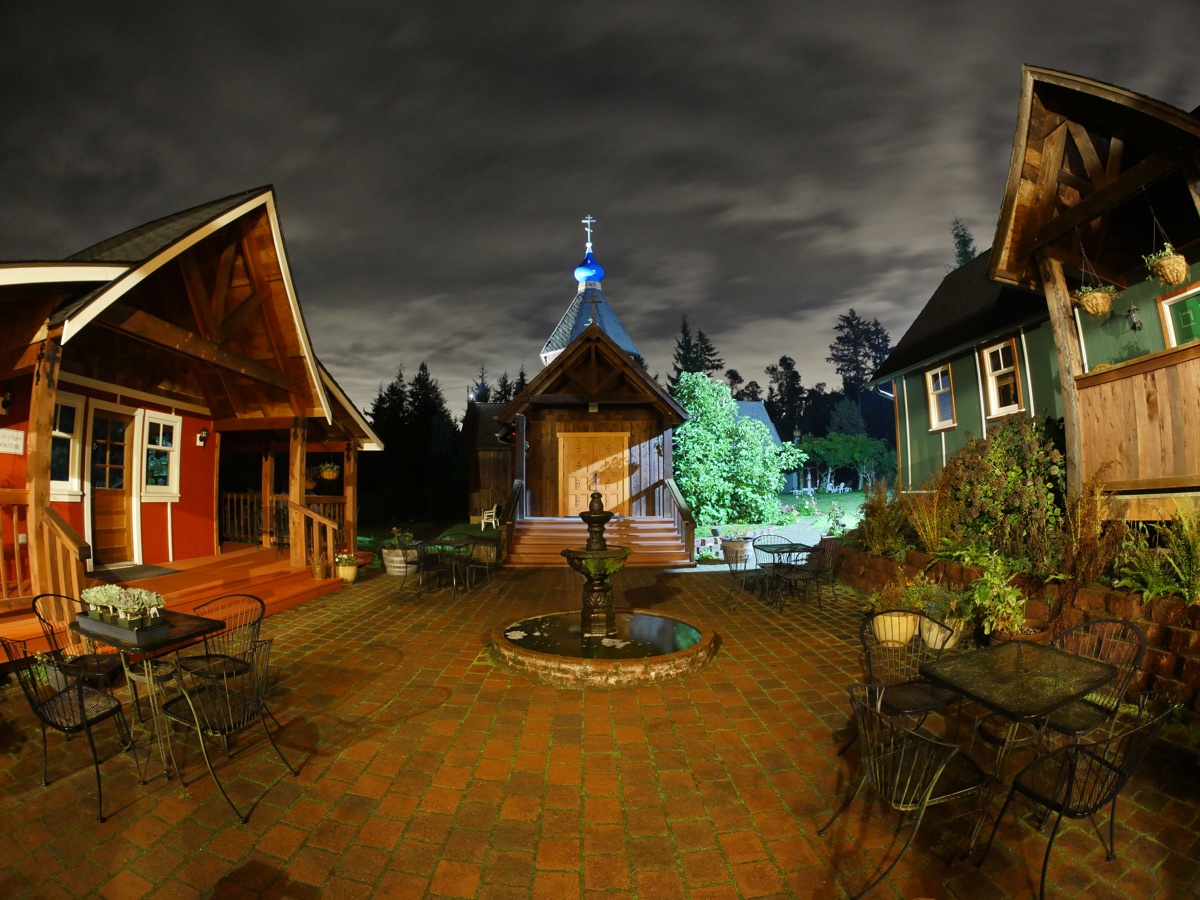
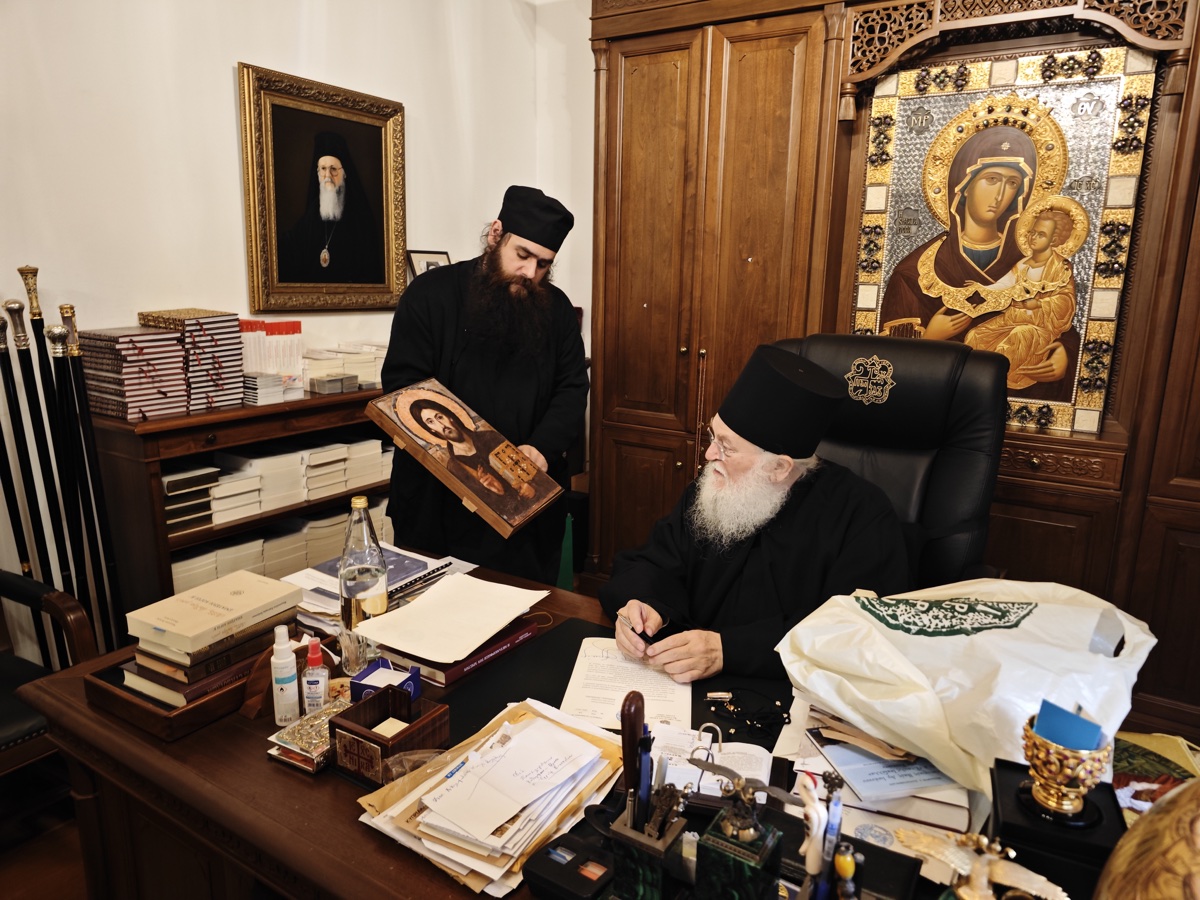
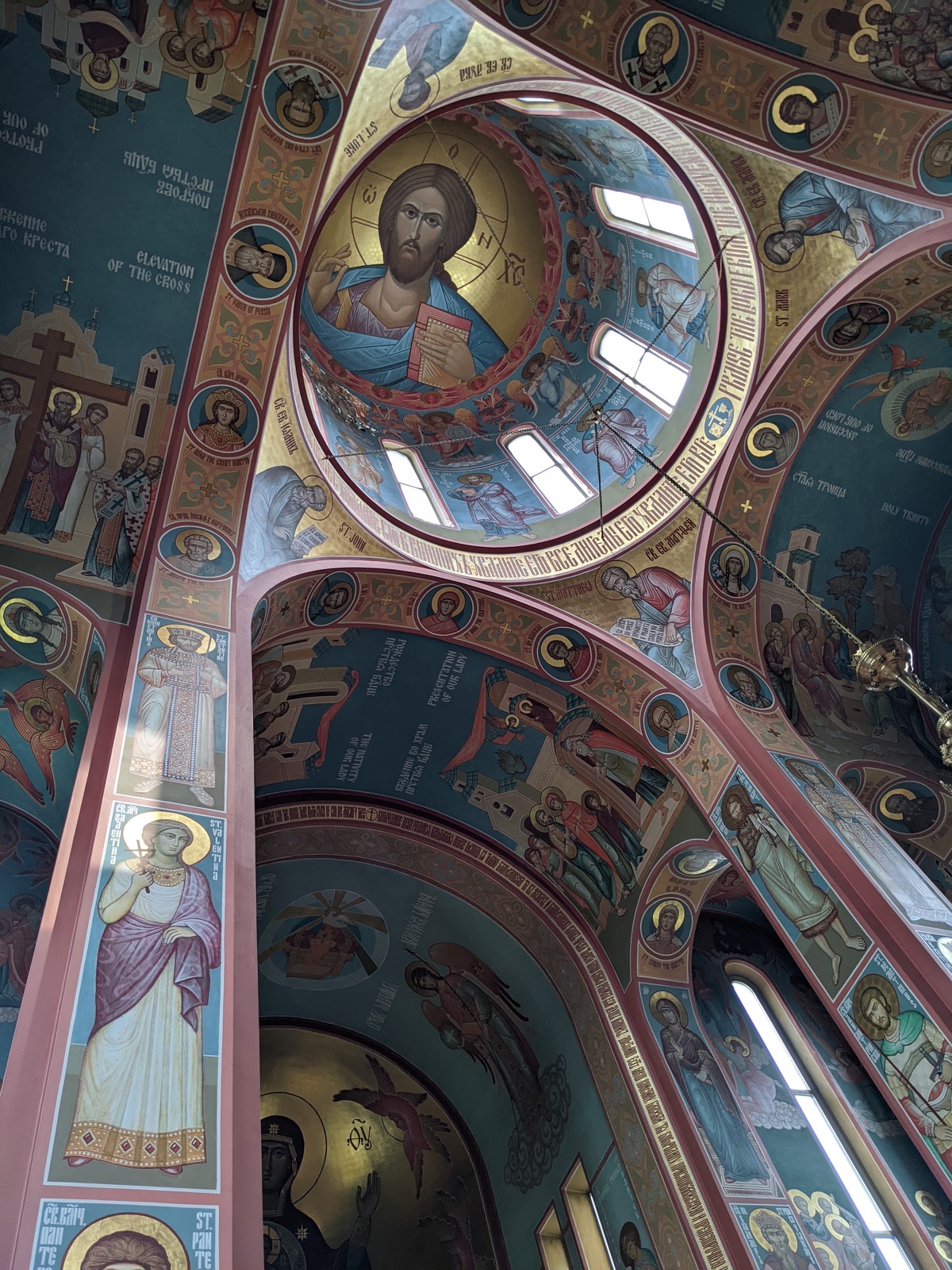
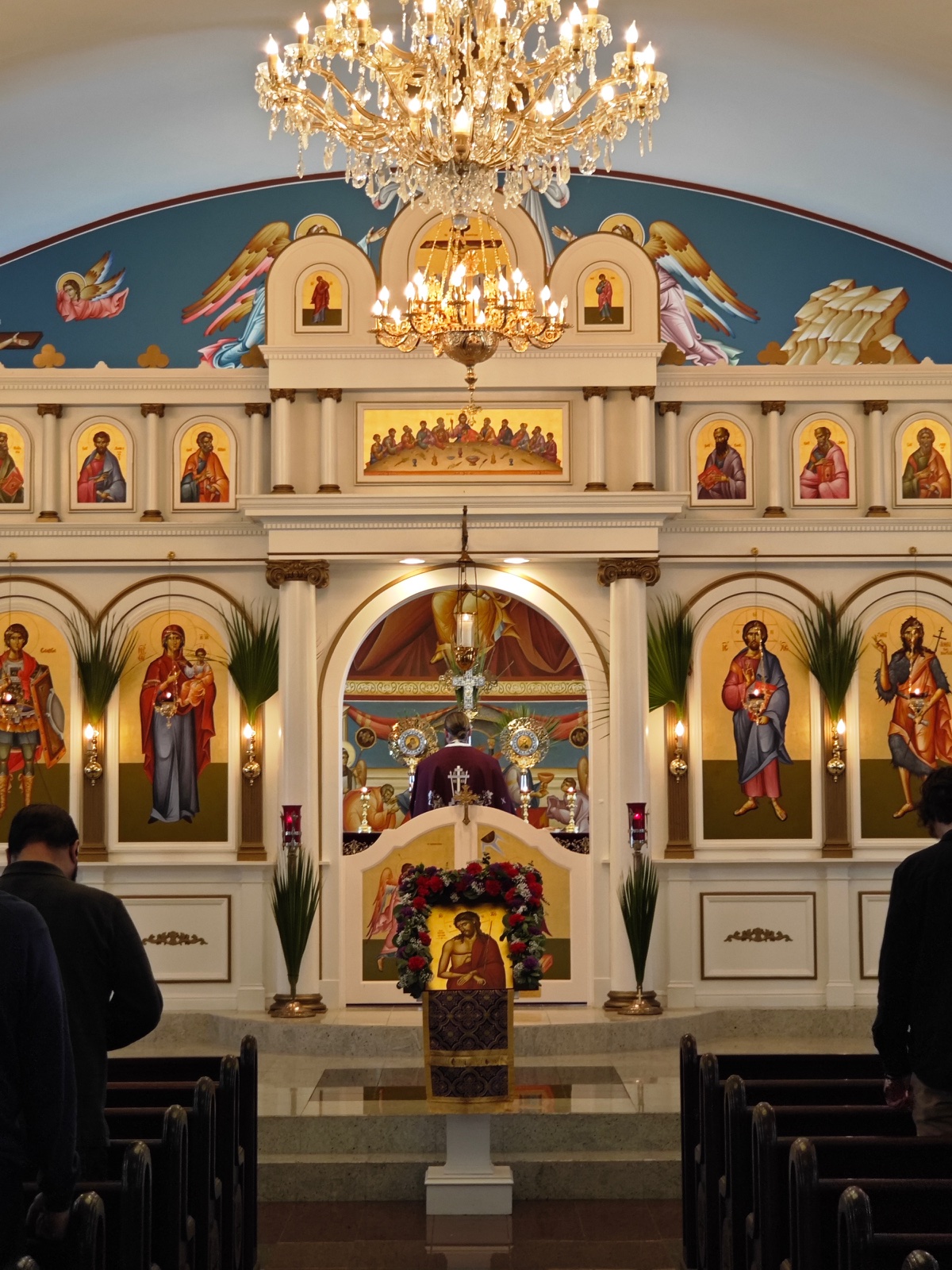
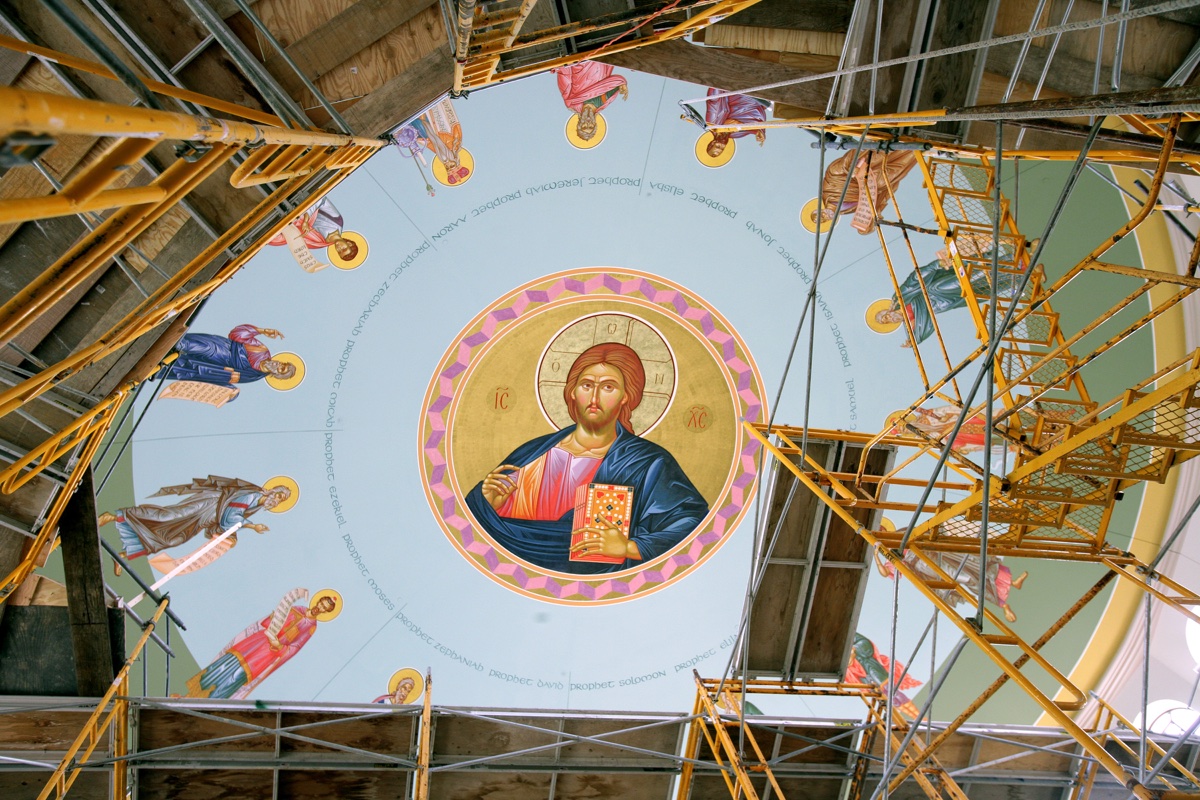
Faith appears here not simply as a subject, but as a way of seeing. In Grand Rapids and at Orthodox monasteries in Greece, Illinois, and Washington, DeJonge photographs light, labor, sacred images, and human presence with the patience these places ask of him.
Read the faith conversation From photography to sacred-art enterprise