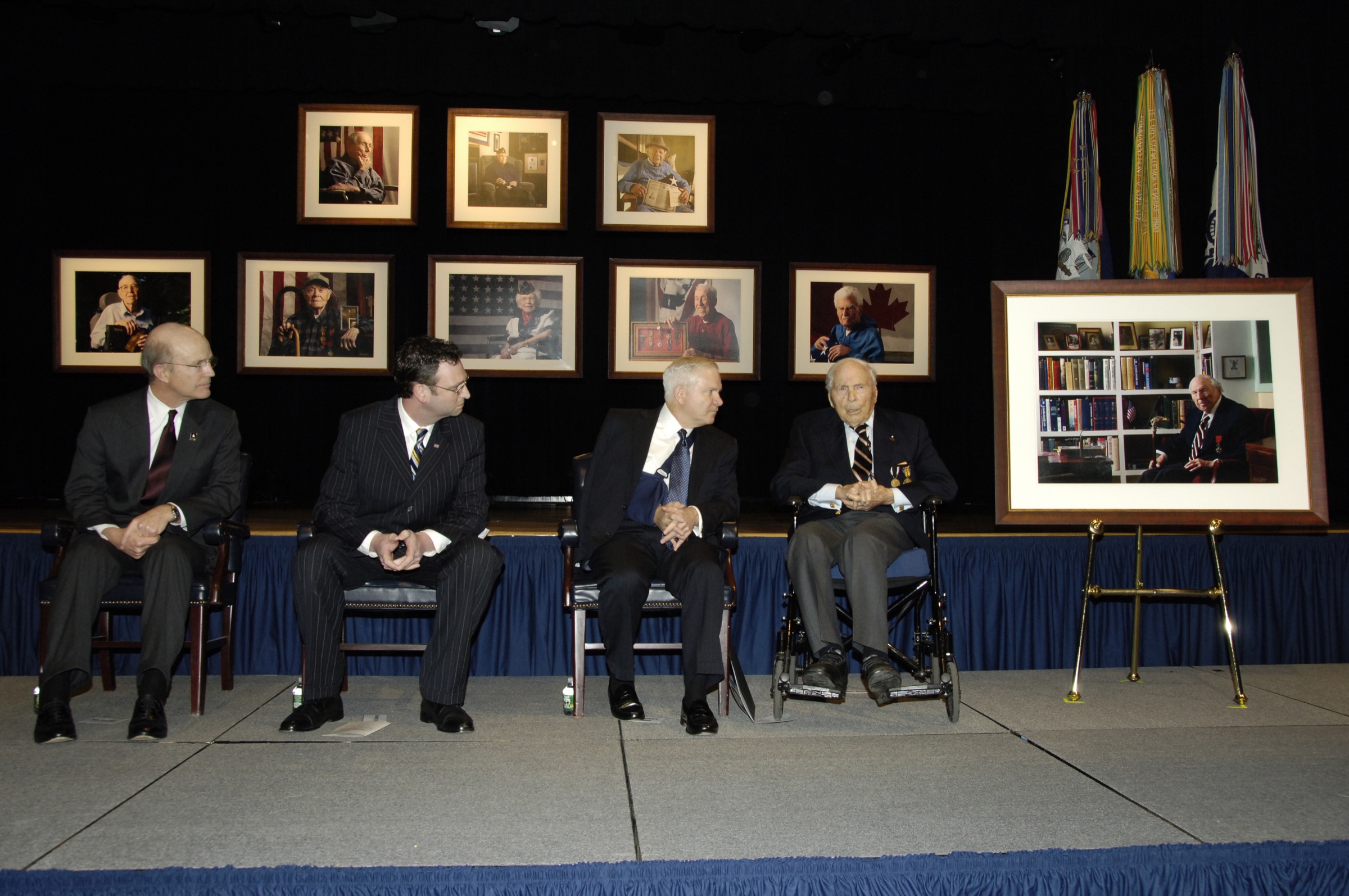
The Pentagon collection · March 6, 2008
The last witnesses.
Nine portraits were unveiled and donated for permanent Pentagon display. David then carried the work to England, preserving the stories and likenesses of three additional British veterans at the edge of living memory.
A race against time
Portraiture became historical rescue.
In 2006, David began an independently financed search for the last surviving veterans of the First World War. He traveled nearly 30,000 miles to photograph, film, and interview the final known subjects he could reach. Many died within weeks or months of their sessions.
The Pentagon group is a record of wartime service rather than a simple list of later citizenship: John Babcock served Canada, William Seegers served the German Empire before becoming an American, and the remaining seven served the United States. The national flags below make that history visible at a glance.
The Pentagon collection · unveiled 2008
The Pentagon Nine.
The official ceremony record names these nine subjects. Each card now carries a corrected life span, service context, and the human detail that made the session part of the historical record.
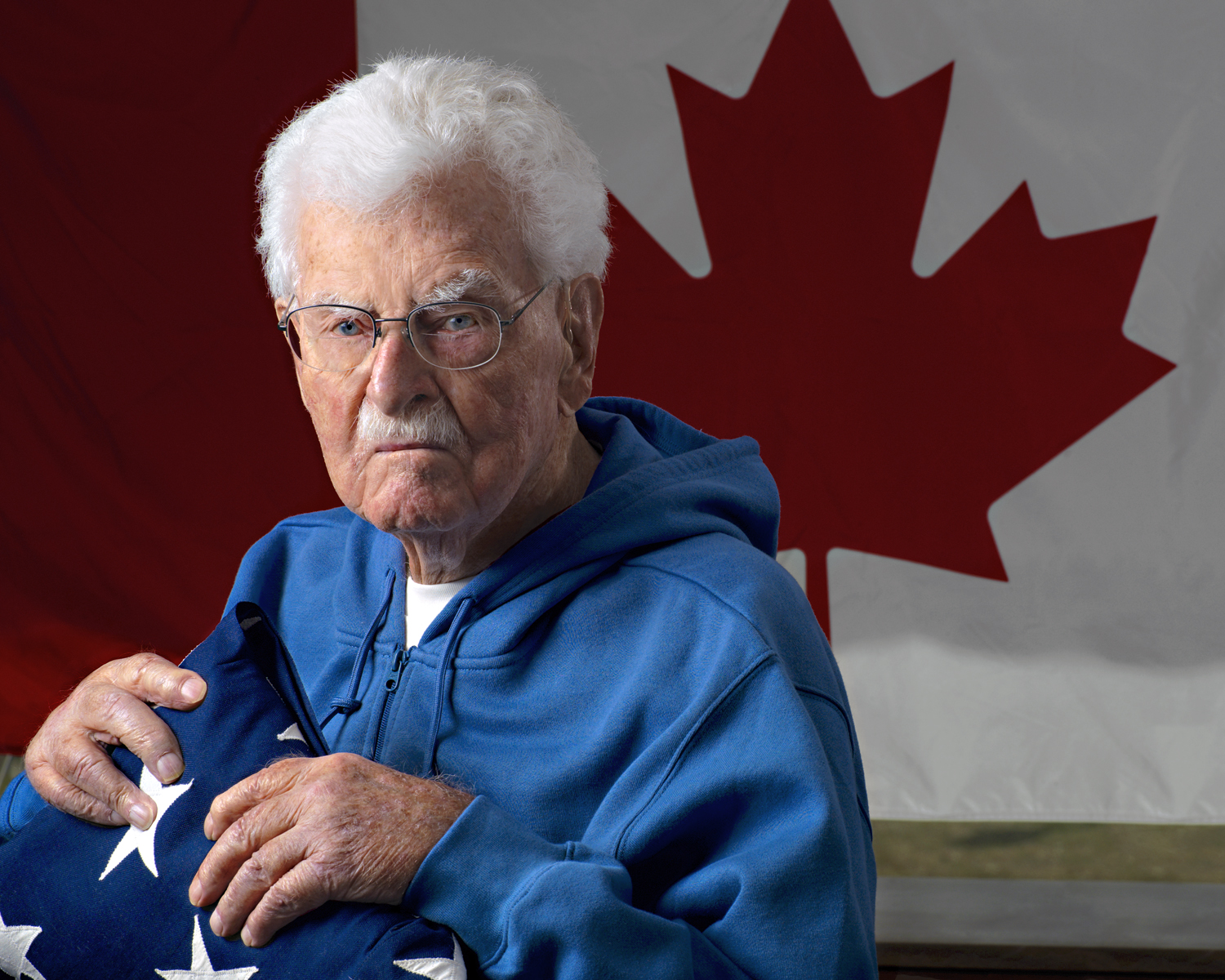
John Henry Foster “Jack” Babcock
—
Canadian Expeditionary Force · Young Soldiers Battalion
Quick story
Babcock enlisted at fifteen and reached England with Canada’s Young Soldiers Battalion, but the Armistice came before he could be sent to France. He later became a U.S. citizen, regained Canadian citizenship in 2008, and died as Canada’s last surviving First World War serviceman.
Government of Canada record ↗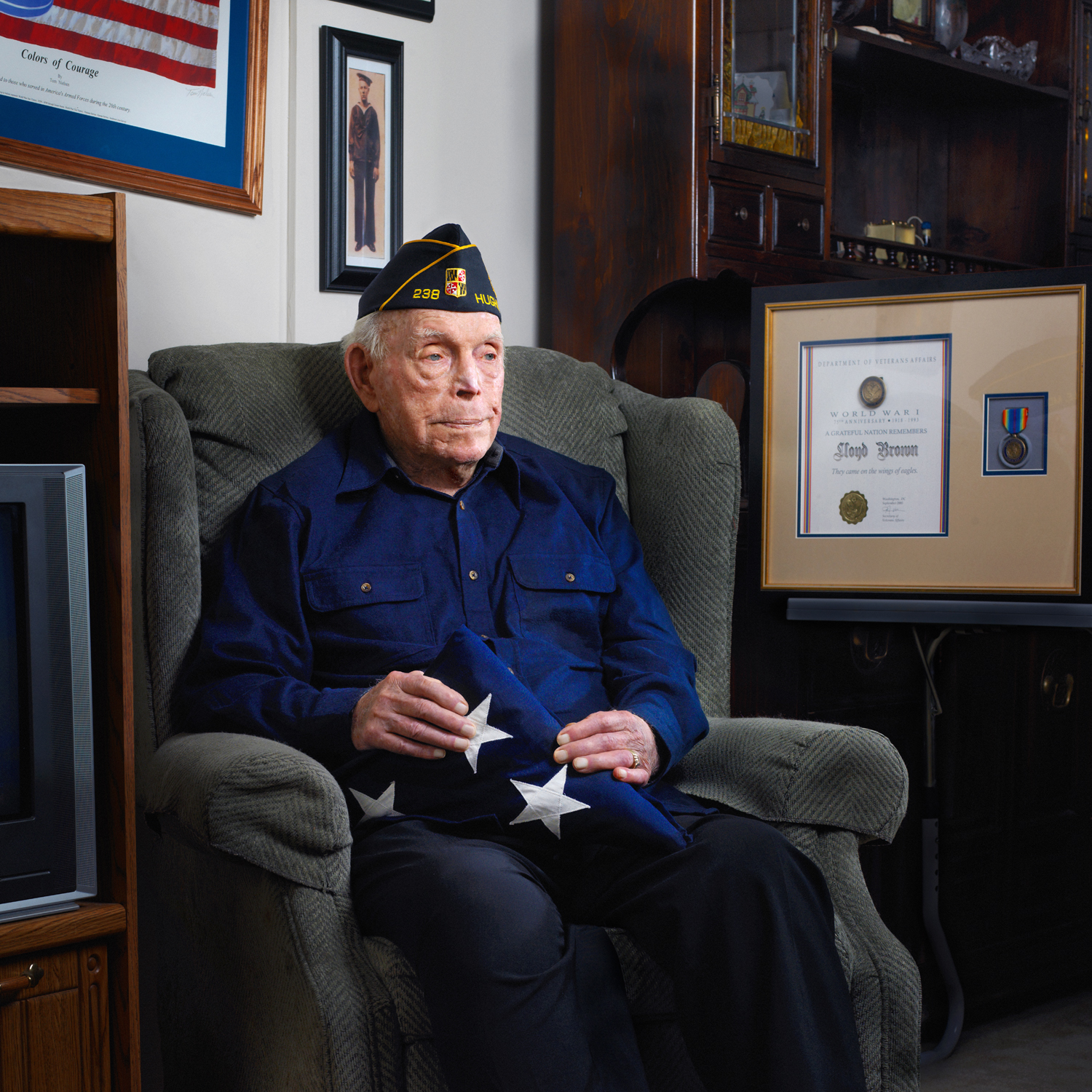
Lloyd Brown
—
U.S. Navy · USS New Hampshire
Quick story
Brown enlisted at sixteen and served on North Atlantic convoy and antisubmarine duty. He later reenlisted, played cello in an admiral’s orchestra aboard USS Seattle, and became a Washington firefighter. At his death, he was the last known surviving U.S. Navy veteran of the war.
Library of Congress record ↗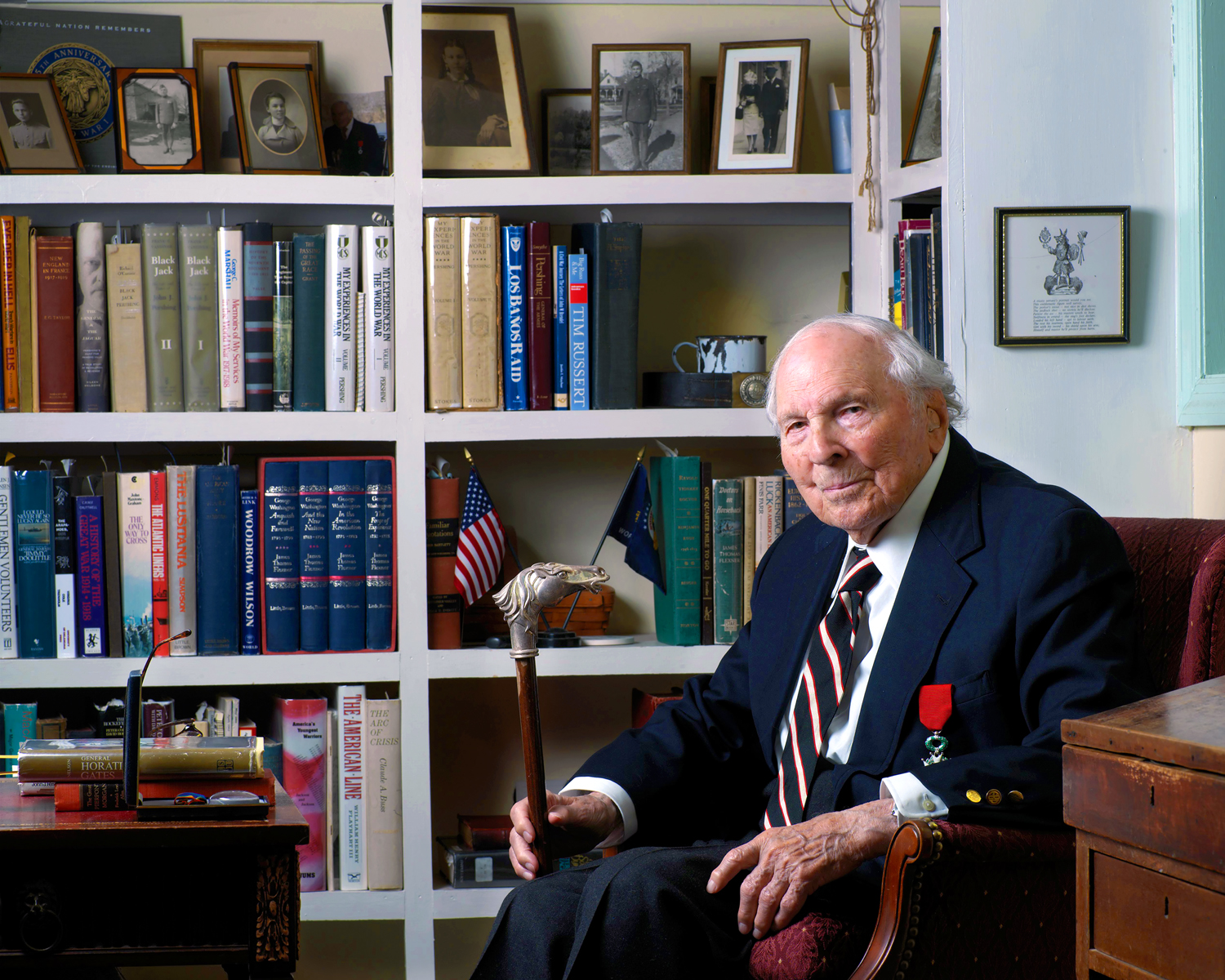
Frank Woodruff Buckles
—
U.S. Army · ambulance and motorcycle driver
Quick story
Buckles enlisted at sixteen, drove in England and France, and escorted German prisoners home after the Armistice. During the Second World War he survived more than three years as a civilian prisoner of Japan in the Philippines. He became America’s last surviving First World War veteran—and David’s partner in a campaign for national remembrance.
Buckles died before the final outcome. The D.C. War Memorial was restored in 2011; Congress authorized a World War I memorial at Pershing Park in 2014; the completed site, now known as the National World War I Memorial, opened in 2021 and reached completion in 2024.
U.S. Army life record ↗
James Russell Coffey
—
U.S. Army · sergeant
Quick story
Coffey enlisted in October 1918 and was discharged that December without deploying overseas. He later earned a doctorate and became an educator. During David’s brief session, a nurse called, “Russell, open your eyes.” The response—and the closing eyes—made the project’s race against time unmistakable.
Library of Congress record ↗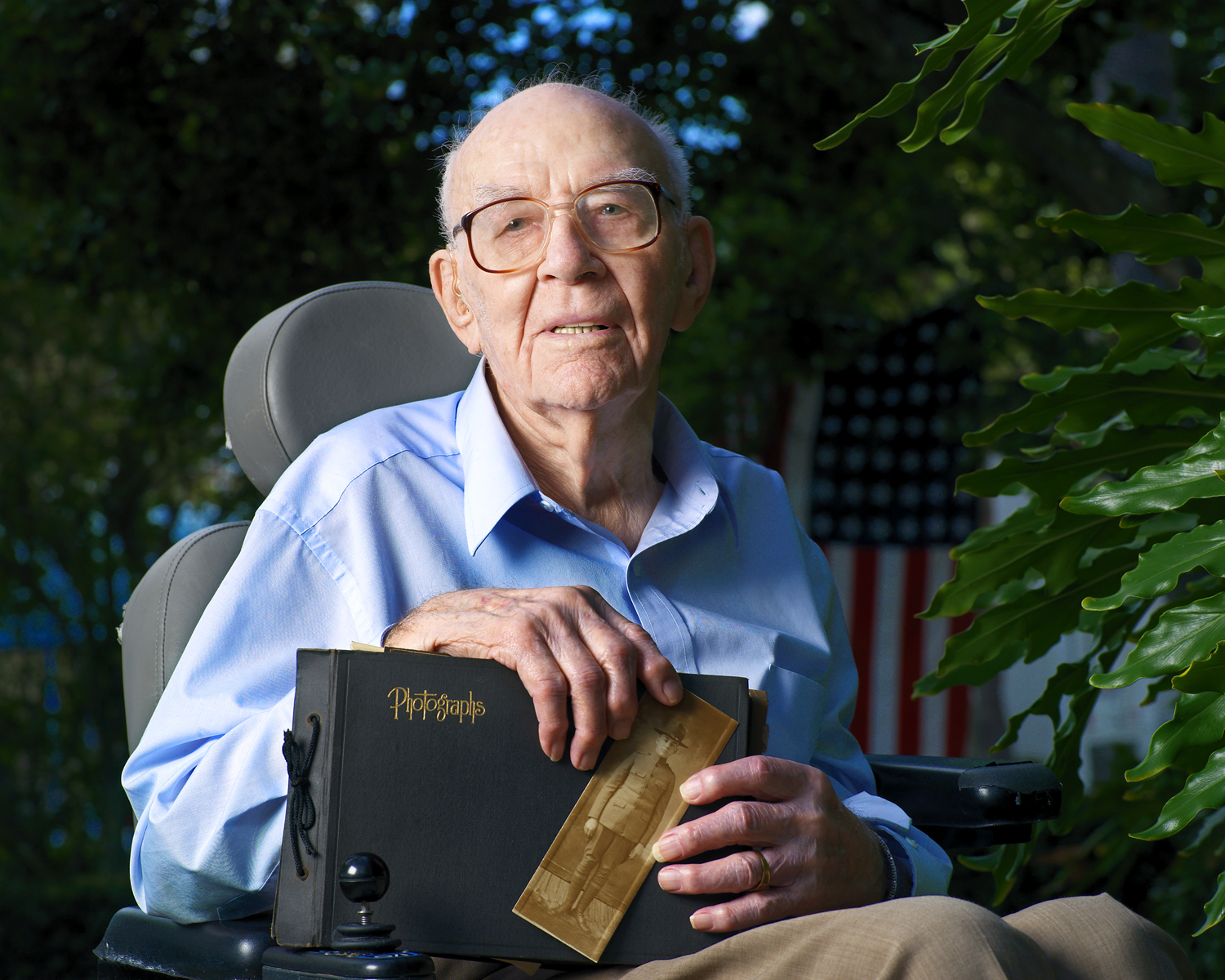
Harry Richard Landis
—
U.S. Army · Student Army Training Corps
Quick story
Landis entered training in Missouri in October 1918. Shortages meant drilling without enough uniforms or weapons; the influenza pandemic put him to work in a makeshift hospital. When the Armistice arrived, the young soldiers celebrated by driving around the town square sounding the horn.
Contemporary NPR report ↗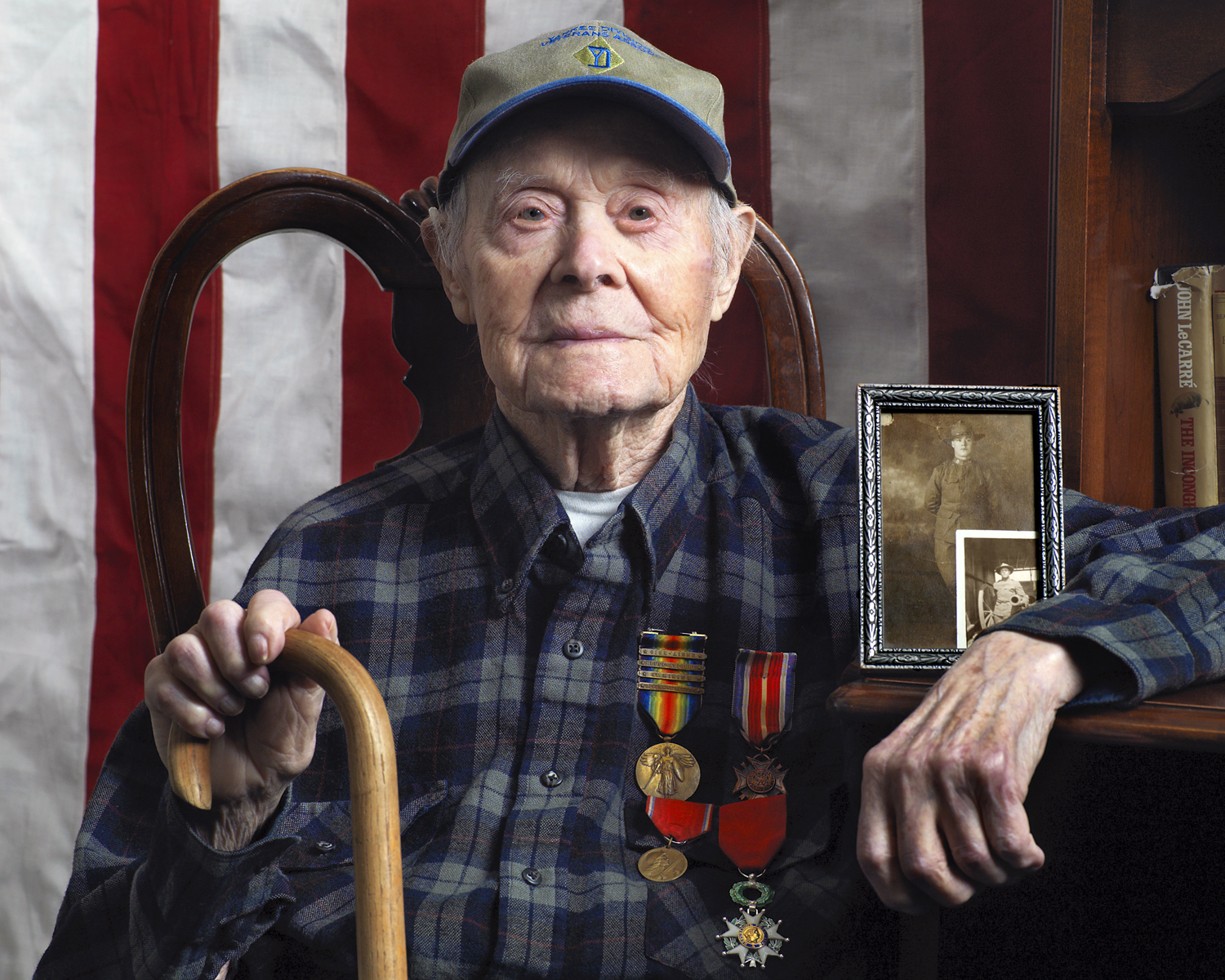
Antonio “Anthony” Pierro
—
U.S. Army · 82nd Division · 320th Field Artillery
Quick story
Born in Forenza, Italy, Pierro immigrated to the United States and served in France at Saint-Mihiel and in the Meuse-Argonne offensive. He carried ammunition forward by horse-drawn wagon under shellfire. Records disagree on his exact February birth day, so the collection preserves the verified month and year.
WBUR life record ↗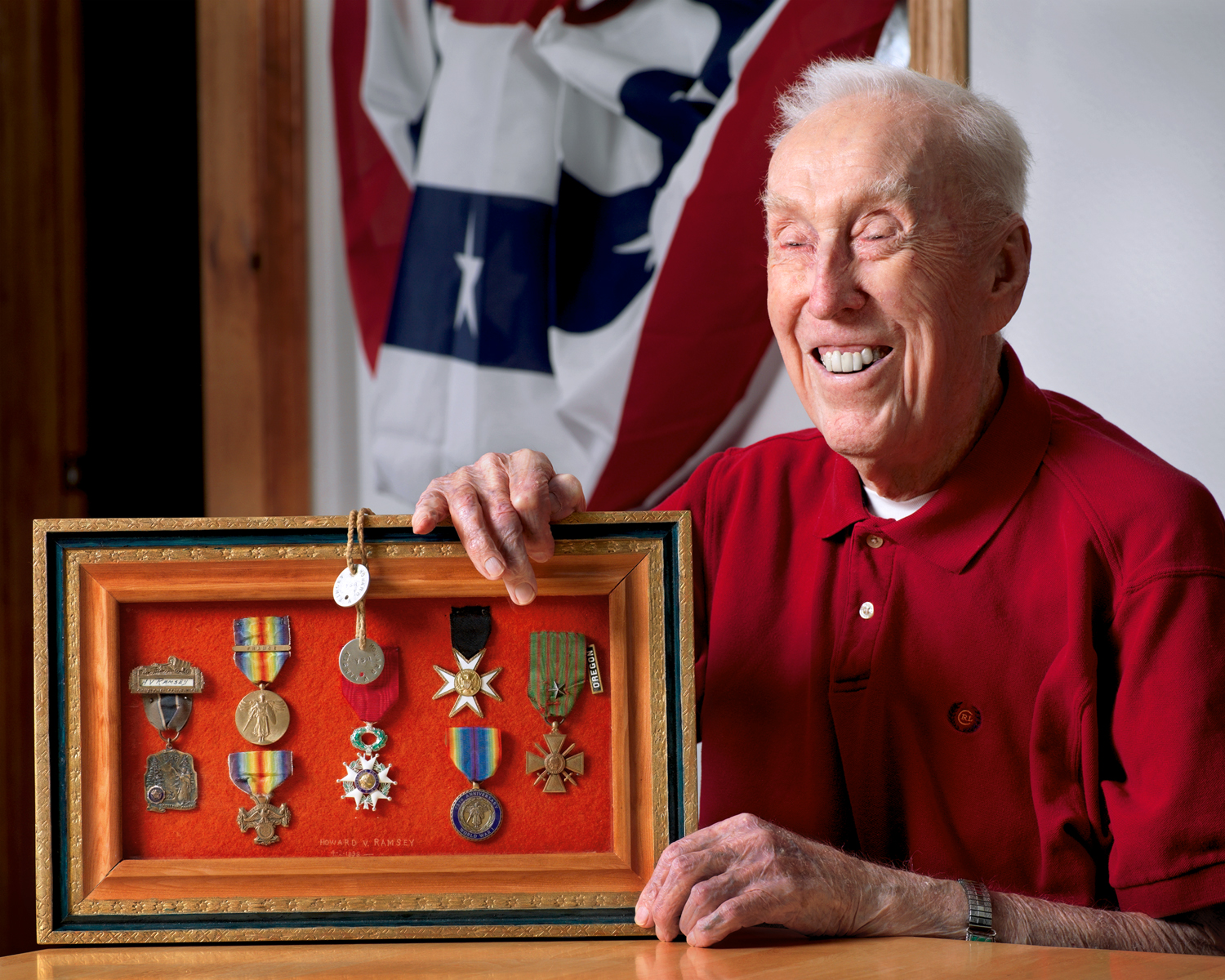
Howard Verne Ramsey
—
U.S. Army · corporal and driver
Quick story
Ramsey carried officers and supplies forward and brought wounded and dead soldiers back from the front. In France, a young girl exchanged a small lock of her hair for an American penny. He kept that fragile gift for the rest of his life.
U.S. Army memorial account ↗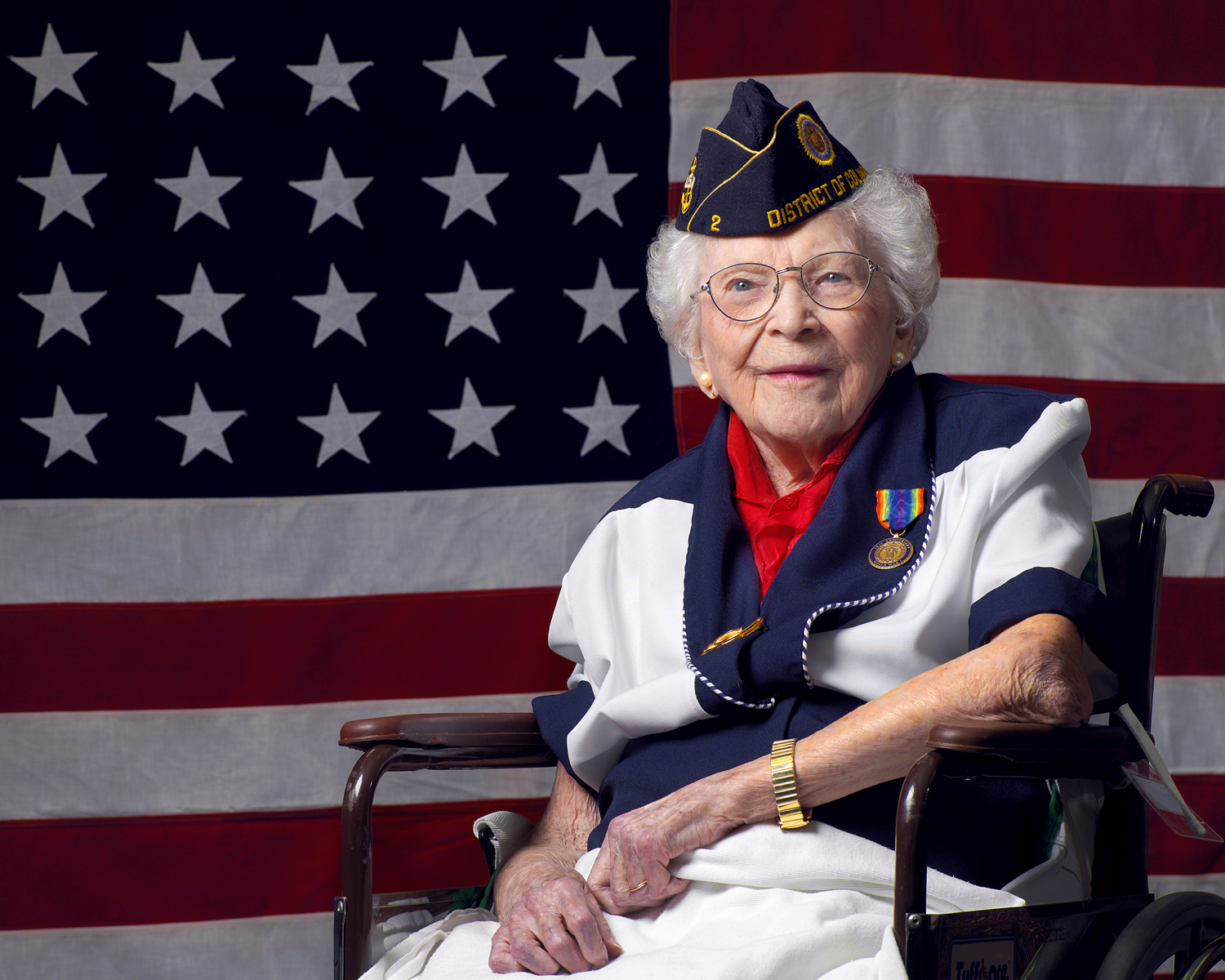
Charlotte Louise Berry Winters
—
U.S. Naval Reserve · Yeoman (F)
Quick story
Winters was among the pioneering women who entered the Naval Reserve as Yeomen (F), serving at the Washington Navy Yard with military status and equal rank-based pay. She later helped organize women veterans and was believed to be the last surviving American woman veteran of the First World War.
Naval History and Heritage Command ↗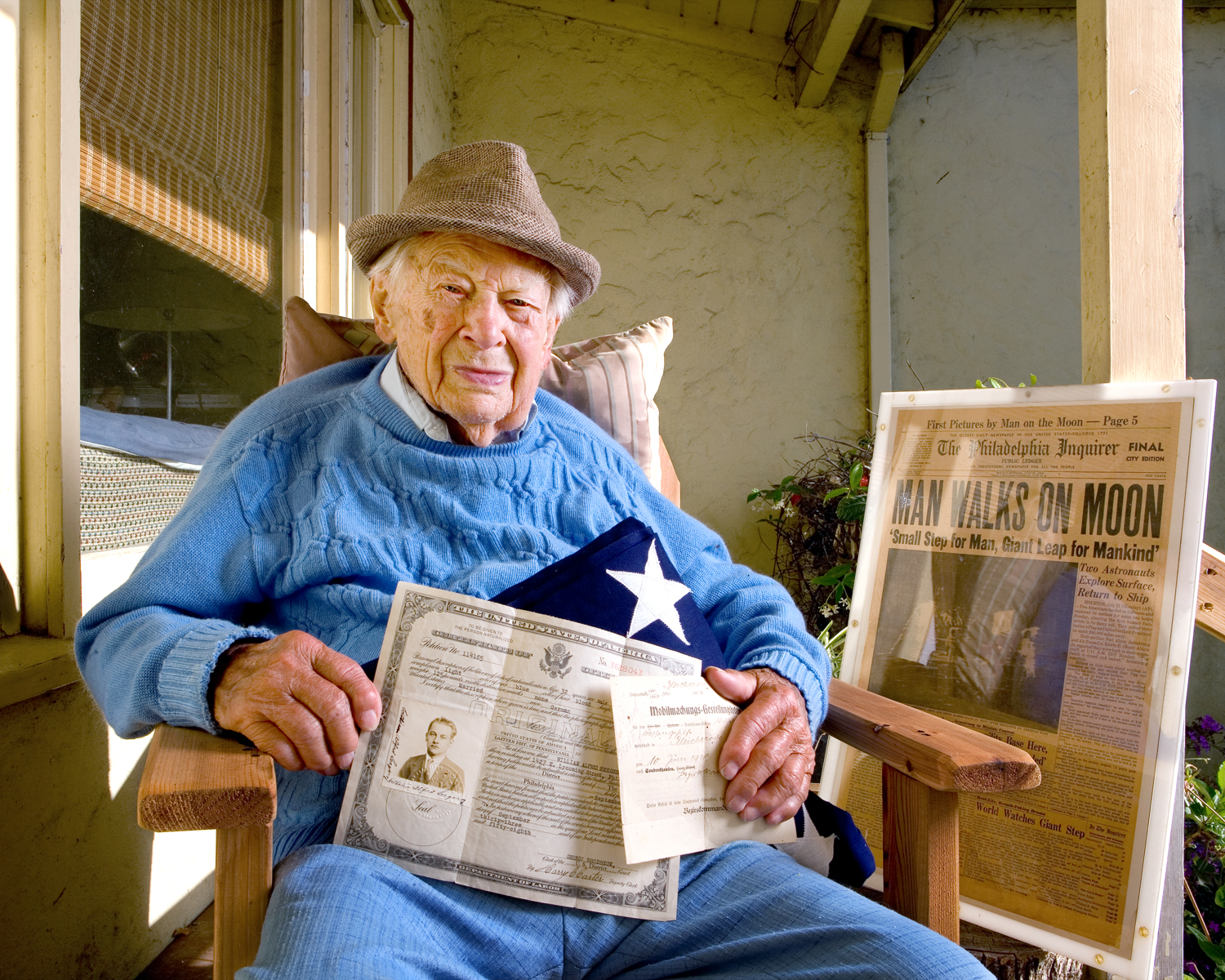
William Alfred Seegers
—
Imperial German Army · later a naturalized American
Quick story
Drafted into the German Army as a teenager, Seegers served as a clerk and prisoner guard, briefly deserted, and survived the influenza pandemic. He brought the collection its view from inside the former German Empire—food scarcity, collapsing morale, and an enduring antiwar conviction—before emigrating to America.
San Francisco Chronicle obituary ↗The nine names are confirmed in the March 7, 2008 Defense Department transcript of the March 6 ceremony. The Department of Veterans Affairs recorded that the collection comprised eight men and one woman and was donated for permanent Pentagon display.
British continuation · photographed in England · 2008
Additional portraits—not part of the Pentagon collection.
Henry Allingham, Harry Patch, and William Stone form the British continuation of the work. They extend the complete collection beyond the official Pentagon Nine while remaining clearly identified as a separate chapter.
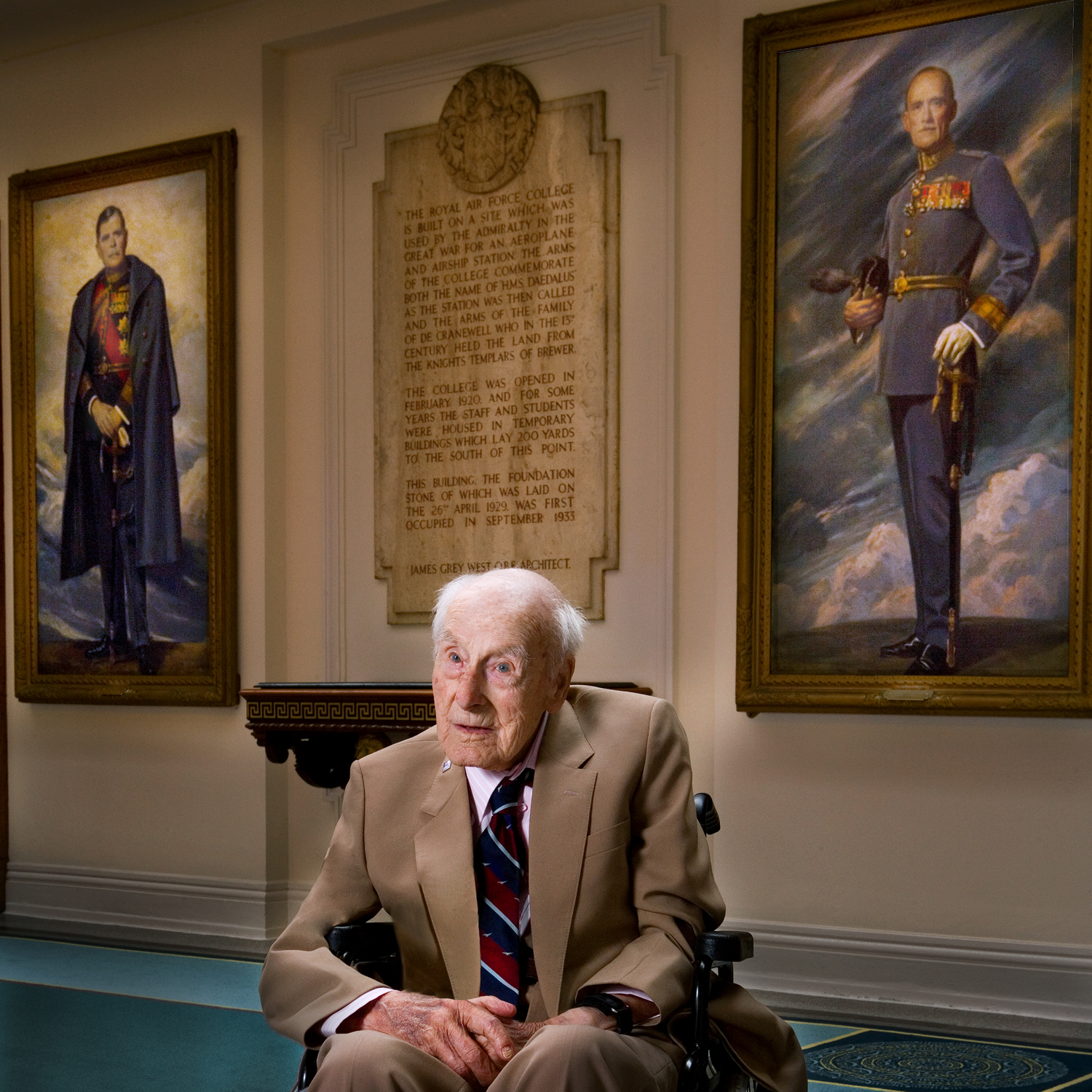
Henry William Allingham
—
Royal Naval Air Service · Royal Air Force
Quick story
Allingham served as an air mechanic, witnessed the Battle of Jutland, and became a founding member of the Royal Air Force. David photographed him in England around his 112th birthday at RAF Cranwell. At his death, Allingham was the world’s oldest man and the last surviving RAF founder.
Royal Air Force Museum ↗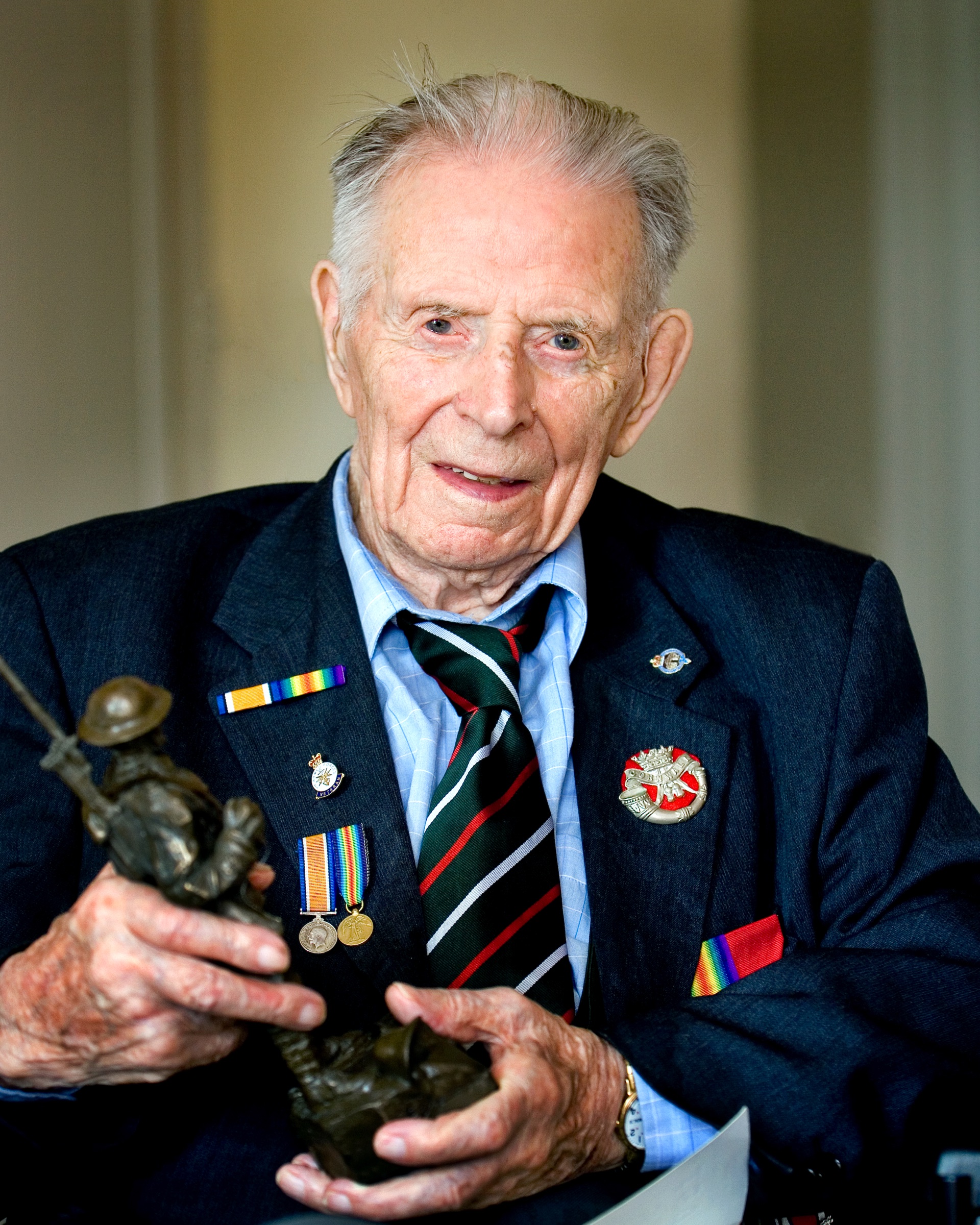
Henry John “Harry” Patch
—
British Army · Duke of Cornwall’s Light Infantry
Quick story
Patch served as a machine-gunner at Passchendaele and became the last surviving soldier known to have fought in the trenches. In David’s portrait, he holds a bronze First World War serviceman—an object scaled to the hand of the final man carrying the memory.
Imperial War Museums record ↗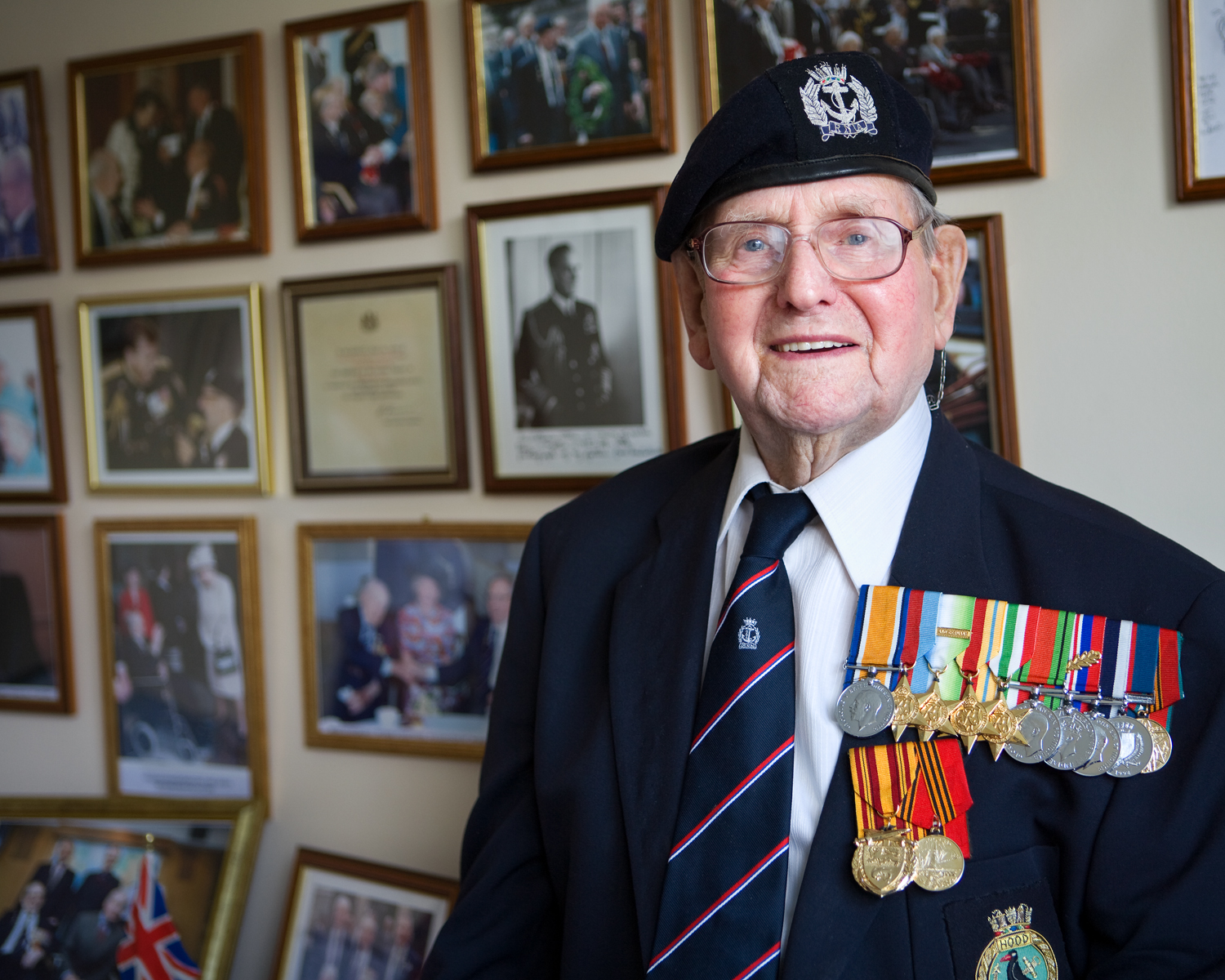
William Frederick “Bill” Stone
—
Royal Navy · First and Second World Wars
Quick story
Stone joined the Royal Navy on his eighteenth birthday in 1918 and remained through the Second World War. He later took part in the evacuation of Dunkirk and served on Arctic convoys and in the Mediterranean, becoming the last known British resident to have served in both world wars.
UK Ministry of Defence record ↗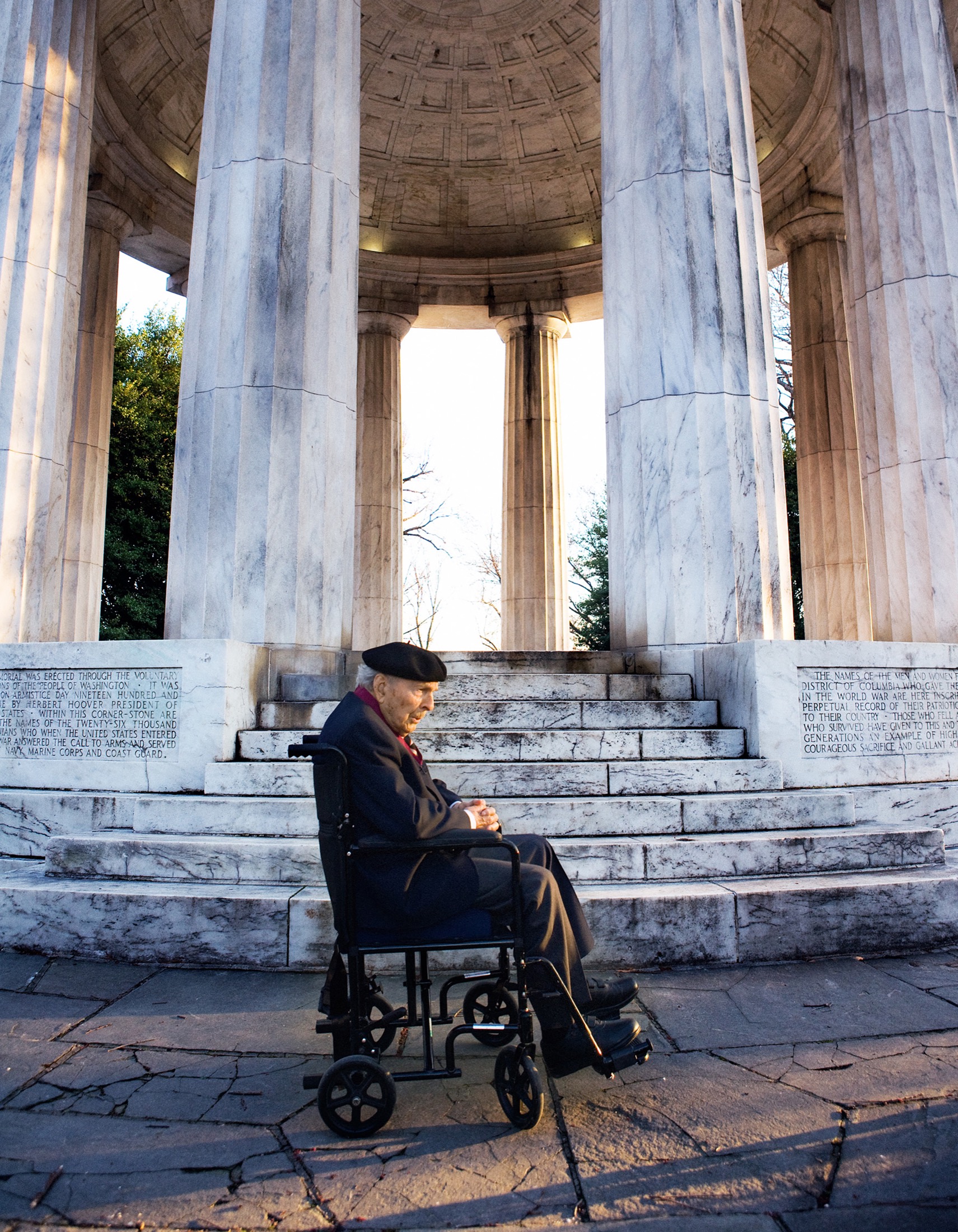
The ending Buckles did not live to see
The witness became a memorial.
Frank Buckles died on February 27, 2011, before the work he helped inspire reached its final public form. The District of Columbia War Memorial that he and David encountered in disrepair was restored in 2011. Congress authorized a World War I memorial at Pershing Park in 2014; the completed site is now known as the National World War I Memorial.
The new memorial opened to the public with the First Colors ceremony on April 16, 2021. It reached completion on September 13, 2024, when Sabin Howard’s 58-foot bronze A Soldier’s Journey was unveiled and illuminated for the first time.
Buckles and David initially argued for a National Mall solution. The eventual memorial was established at Pershing Park. It was not the same site proposal—but it completed the national recognition Buckles helped inspire.
- The Pentagon portraits are unveiled; the promise begins at the D.C. memorial.
- The D.C. War Memorial is restored.
- Congress authorizes a World War I memorial at Pershing Park.
- The national memorial opens to the public.
- A Soldier’s Journey completes the memorial.
The complete online archive
Original stories preserved. Final records completed.
The original exhibition text was written while several subjects were still alive. Every portrait above now opens a dedicated story page containing David’s original account and a viewable facsimile of its exhibition panel, followed by the verified death date, later recognition, and the precise historical distinction each veteran carried. Dates and service histories were checked against government, military, museum, congressional, library, and contemporary records.